BTArtbox
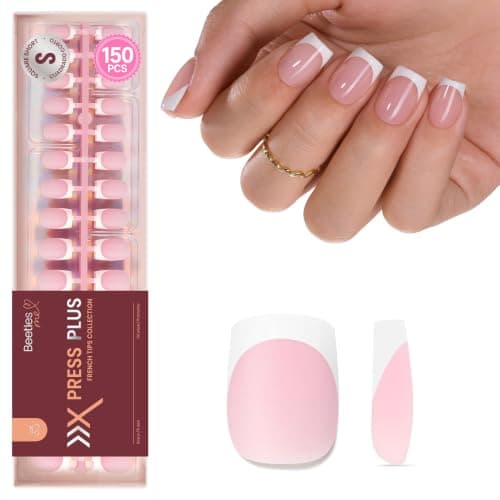
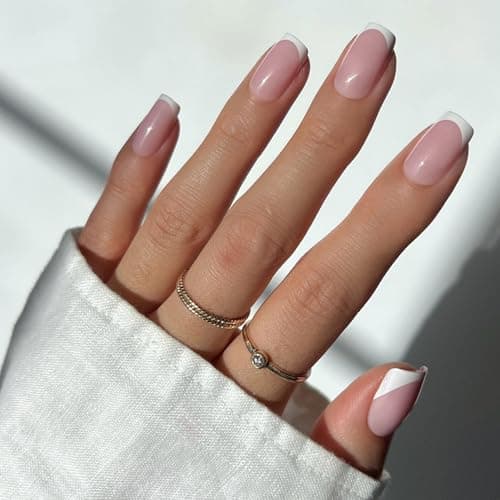
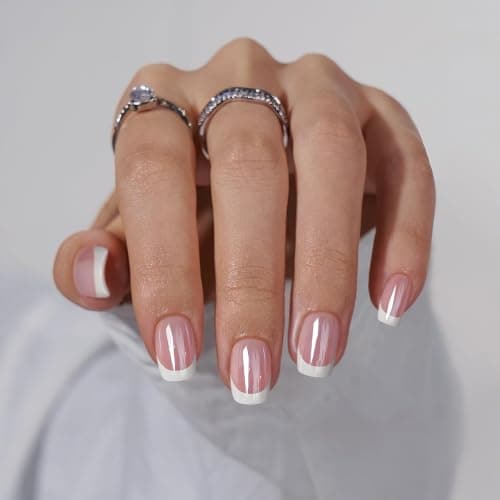
BTArtbox Short Square White French
$15.974.3 (11,735)
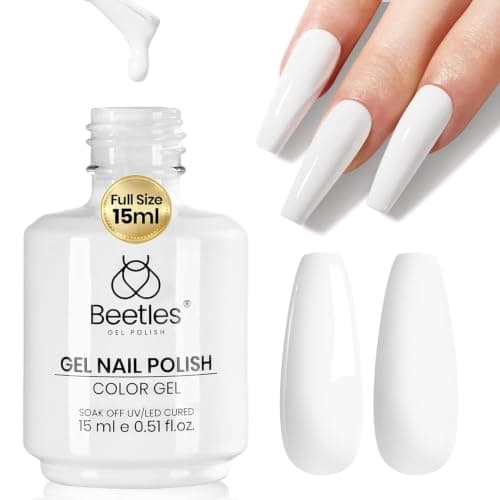
The square press-onThe crisp square set from the same soft-gel line.
Shop on AmazonFrench tip nails category
square french tip nails
Square french tip nails from the thick classic white to the thin modern line — square vs squoval, coloured tips, and how to stop corners chipping.
Square french tip nails are the original “classic French manicure” look — a straight, crisp tip line with a clean edge — and, counter-intuitively, the least forgiving shape to wear it on. If you want a manicure that looks polished in every setting—work, weekends, events—square French tips are a safe, timeless choice. Modern sets usually use thinner tips and softer bases to keep the look fresh.
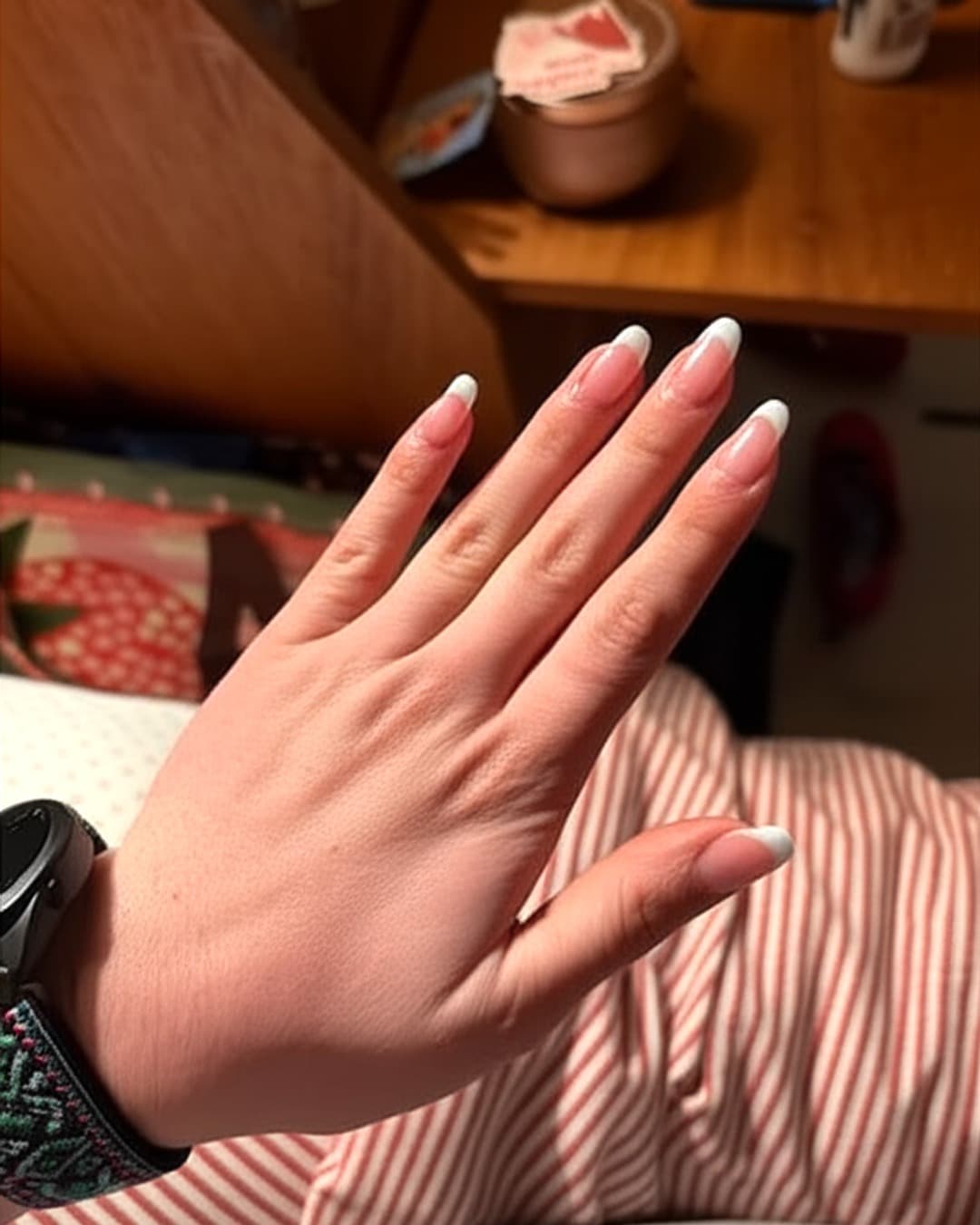
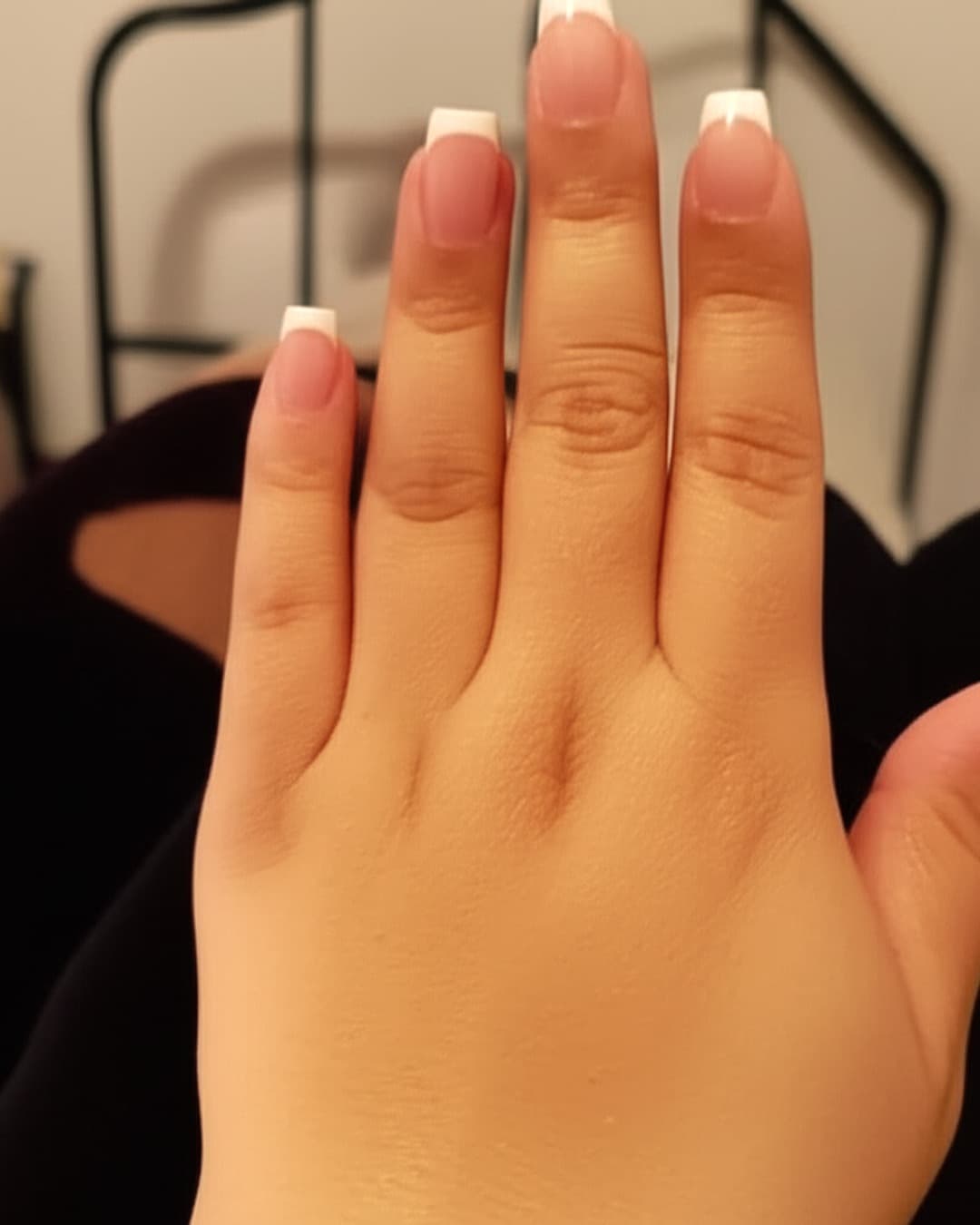
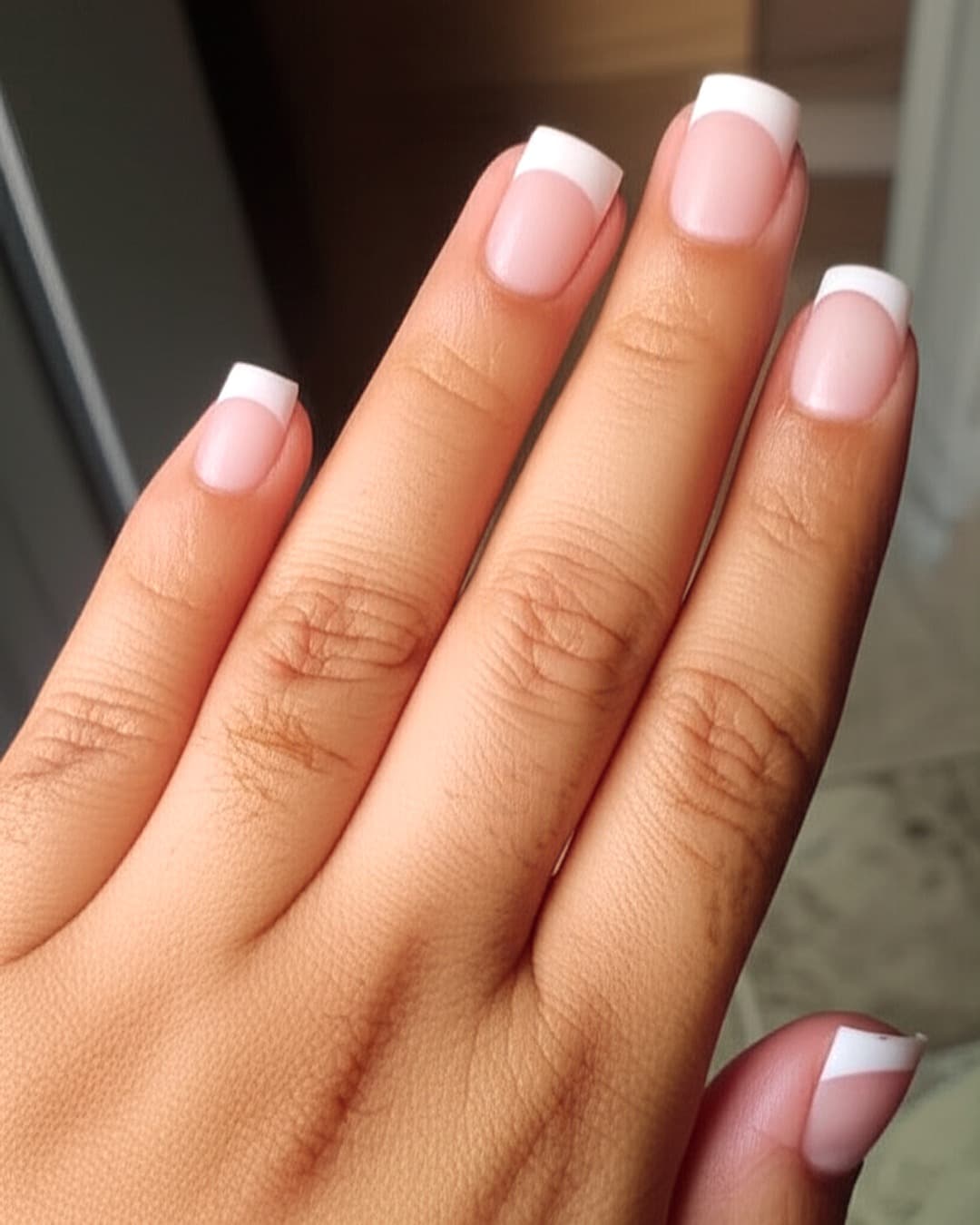
The crisp square set from the same soft-gel line.
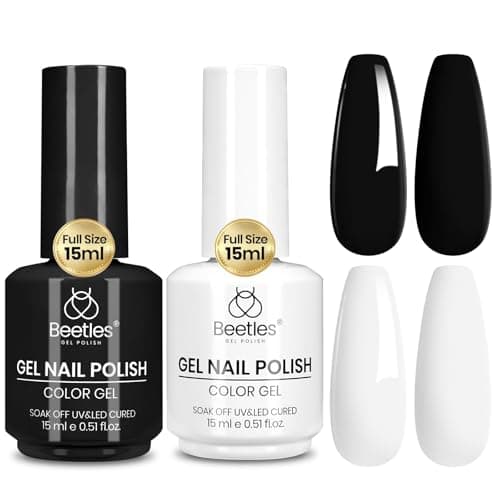
Shop on AmazonFive full applications under nine dollars — press-ons as a habit, not an occasion.
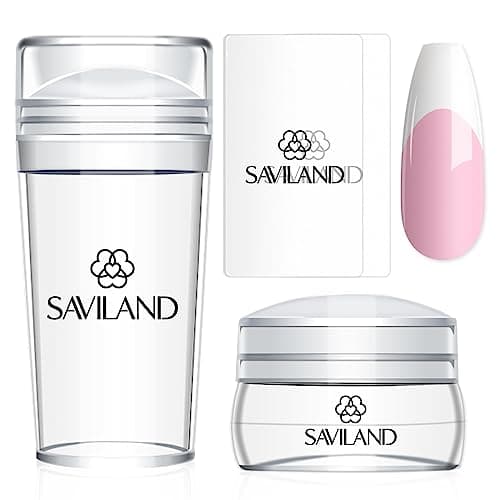
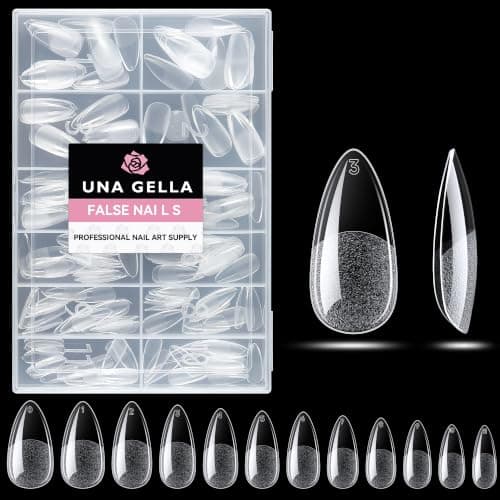
Shop on AmazonPresses the curve on in one motion — the fix for shaky freehand.
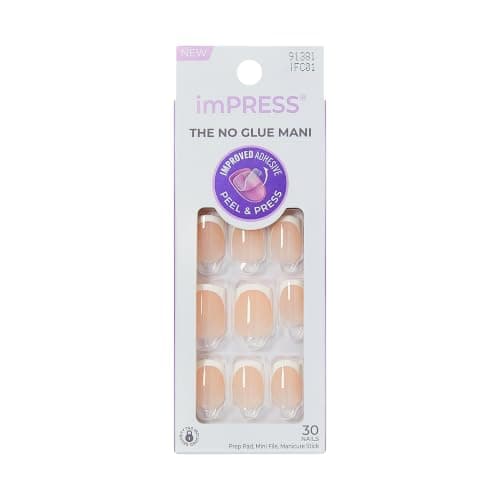
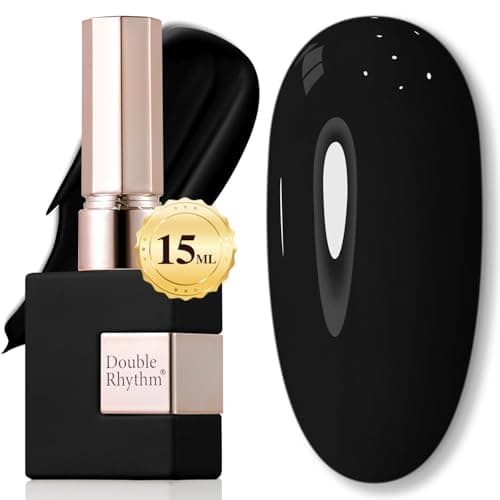
Shop on AmazonAdhesive tabs: no acetone, no crooked-glue risk — the weekend set.
Shop on AmazonProduct prices and availability are accurate as of October 17, 2026 and are subject to change. Any price and availability information displayed on Amazon at the time of purchase will apply. As an Amazon Associate we earn from qualifying purchases. Star ratings reflect Amazon customer reviews at the time of our last check.
| Tip | Width | Reads as | Works at |
|---|---|---|---|
| Thin or micro | 1–2 mm | Current, elongating; the modern square | Every length |
| Medium | 3 mm | The traditional salon square | Medium |
| Thick, straight across | 4 mm and up | A graphic bar; the deliberate retro version | Medium to long |
| Double | Two thin lines | Detail without a second colour | Medium |
| Glitter or gold line on the edge | Hairline | Sharpens the straight edge — see glitter French tips | Any |
Colour follows the same rule as depth: micro-white on a sheer base is the baseline (white French tips), a crisp black bar is the graphic version (black French tips), and a soft pink bar the gentle one (pink French tips).
Square is all about straight edges and symmetry:
Square French tips are the original version of this manicure and, counterintuitively, the least forgiving.
The reason is geometric. A square nail has a straight free edge. A French tip adds a second straight-ish line just above it. Two near-parallel horizontal lines emphasise width — which is flattering on a long, narrow nail bed and unflattering on a short or wide one.
Every other shape softens at least one of those lines. Square keeps both.
Keep the smile line shallow. A deep curve fights the flat edge. The two should echo each other, not compete.
File the side walls very slightly inward. Even a fraction of a millimetre of taper breaks the boxiness and costs nothing.
Go thinner on the tip than you would on almond. Square already reads wide; a thick band compounds it.
Get the corners genuinely square. Half-rounded corners look like a squoval that was not finished. Commit to the shape or pick squoval deliberately.
Worth being clear, because salons use the words loosely.
Square has sharp 90-degree corners and straight sides. Graphic, architectural, and the more fashion-forward of the two right now.
Squoval is square with the corners filed off. Softer, considerably more durable, and what most people actually want when they ask for square.
The corners are where square nails break — they catch on fabric, hair and pockets. If you break nails regularly, squoval gives you almost the same look with a fraction of the snags.
Square is at its best on long nail beds and slim fingers, where the width it adds is not a problem and the crispness reads as deliberate.
It is at its worst on short, wide nails, where it maximises the two things you would rather minimise. If that is your nail shape and you love square, the workaround is a very thin tip and a slightly narrowed side wall — see French tips on short nails.
Short square reads as neat and low-maintenance — the office manicure.
Medium square is the balanced version and the most commonly requested.
Long square becomes a statement, and needs extensions for most people. At length it starts reading closer to coffin territory, which is a different look entirely.
Square is the easiest shape to file yourself because the reference line is straight — file straight across, then square off the corners at 90 degrees, checking from directly above rather than at an angle.
For the tip itself, square is the shape where guides and stamps work best, because a straight edge gives a sticker something flat to sit against. On tapered shapes the same sticker curls.
Drawing a good curve on a square nail is a different motion from drawing one on a tapered nail, and this is rarely explained.
On an almond or oval nail, the side walls curve inward, so your brush naturally follows a curved path. On a square nail the side walls are straight and parallel, which means nothing guides your hand — the curve is entirely your own doing.
The practical consequence: start the stroke slightly further down the side wall than feels right, and keep the arc shallow through the centre. If you start too high you get a deep curve that looks wrong against the flat edge, and if you keep the whole line flat you get a stripe rather than a French.
A stamp or guide sidesteps all of this, and square is the shape where those tools work best.
Square amplifies whatever proportions your hands already have, which is why reactions to it are so mixed.
On long fingers with narrow nail beds it reads as elegant and architectural — this is the hand square was designed for.
On short fingers it truncates, because the horizontal lines cut across the direction you want the eye to travel.
On wide nail beds it widens further. This is the combination that most often produces "square doesn't suit me", and it is a proportion issue rather than a taste one.
The workaround in both difficult cases is the same: file the side walls inward a fraction, keep the tip very thin, and consider squoval instead. You keep the crispness and lose most of the widening.
Square corners are the highest-snag point of any nail shape. They catch on jumper sleeves, hair, pockets and car door seals, and each catch levers the corner slightly away from the nail bed.
Two habits extend a square set considerably: run a fine buffer very lightly over each corner to take off the microscopic burr left by filing, and cap the free edge properly with top coat so the corner is sealed rather than raw.
Square is the shape that carries non-white tips best, and it is worth knowing why.
The flat edge gives a colour block a clean boundary on two sides, so a black, red or chrome square tip reads as intentional graphic design rather than as a colour that ran. On tapered shapes the same colour can look like it slid toward the point.
This is why black French tips and square are such a common pairing, and why chrome square tips photograph so well — the reflective band has a defined rectangle to sit in.
Square is the shape most people ask for by colour — "blue square French tips" is a search on its own — and the reason is the bar. A coloured band on a straight edge reads as a decision; the same band on a curved smile line reads as a colour that could not decide whether it was a tip or a fade. Pale blue on a short square is the office-safe version; navy on a milky-white long square is the most requested dark one; a black bar on a medium square is the graphic classic. The rule on width holds for every colour — a dark bar reads wider than a white one at the same measurement, so go a millimetre thinner. The blue French tips page covers the shade-by-length logic, and the black version is on black French tips.
Square is the shape the press-on brands make most of, at every length: BTArtbox's short square, Beetles' short and extra-short squares, Glamnetic's medium square and Misssix's long square are all in the press-on French tip nails category. Two notes specific to square sets. The corners are the first thing to lift — press them hardest when applying — and thirty seconds with the file across each corner turns any square set into a squoval that catches on far less, which is the fix if a set keeps snagging.
Worth doing carefully, because square is unforgiving of an uneven edge in a way that rounded shapes are not.
File straight across the free edge in one direction, holding the file perpendicular to the nail rather than angled underneath. Check the line by looking straight down at the nail from above, not from the side — side-on you cannot see whether the edge is level.
Then square the corners by filing each side wall straight, meeting the free edge at a right angle. The most common error is rounding these slightly, which produces an accidental squoval.
Finally, run a fine buffer very lightly along the free edge to remove the burr filing leaves behind. That burr is what catches on fabric and starts peeling.
Square is the default pedicure shape for good reason — toenails grow with a naturally straight edge, and filing them round encourages ingrowing at the corners.
A French tip on a square toenail is the most classic pedicure there is, and the proportions are more forgiving than on hands because toenails are shorter and wider to begin with. Keep the band thin and the curve almost flat.
Whatever the style, the nail plate has to survive it: the American Academy of Dermatology's tips for healthy nails cover the soaking, filing and oiling habits every page on this site assumes.
Short French tips for the everyday version and almond French tips if you want length instead of width. Coffin French tips for the flat edge with a taper. French tip nail shapes compares all seven, and the French tip toe nails guide is where square is the only shape. Home from french tip nails.
What French tip shoppers are buying this week, across every category.
Are square French tip nails still in style?
Yes. Square French tips are a classic, and modern versions use thinner tips, softer bases, or small accents to keep the look current.
What’s the difference between square and squoval?
Square has sharper corners and a straight edge, while squoval rounds the corners slightly for a softer, more durable look.
Do square French tips work for short nails?
They can, especially in a squoval shape. Keep the tips thin so the nail bed doesn’t look shorter.
What base shade looks best with square French tips?
Sheer pink is the most classic. Nude bases look modern, and milky bases feel clean and photo-friendly.
How do I prevent square corners from chipping?
Ask your tech to slightly soften the corners and cap the free edge. At home, reapply top coat and avoid using nails as tools.
How thick should the tip be on square French tip nails?
Thinner than on almond, because square already reads wide: one to two millimetres on short and medium nails, three at most on a long square. A dark or coloured bar reads wider than a white one at the same measurement, so take another millimetre off for black, navy or red.
Is square or squoval better for a French pedicure?
Square, and it is a health point as much as a style one. Toenails grow straight across, so a square edge follows the natural shape and needs the least filing, and rounding the corners of a big toenail is one of the ways ingrown edges start. Take the sharpest point off each corner with one stroke and stop.
Square French Tip Pedicure
square french tip pedicure
Almond French Tip Nails
almond french tip nails
Black French Tip Nails
black french tip nails
Blue French Tip Nails
blue french tip nails
Brown French Tip Nails
brown french tip nails
Burgundy French Tip Nails
burgundy french tip nails
Chrome Coffin French Tip Nails
chrome coffin french tip nails
Chrome French Tip Nails
chrome french tip nails