The French tip shop
French Tip Nail Products
French tip nail products, sorted by the job they do: press-on sets for tonight, white and nude gel for a salon-grade line, brushes and guides for the smile line, chrome for the tip, and tips and forms for extensions. 173 products across 9 categories, every price pulled from Amazon on October 25, 2026.

Shop by category
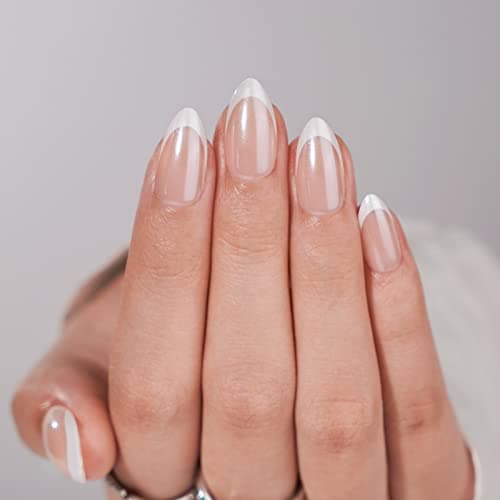
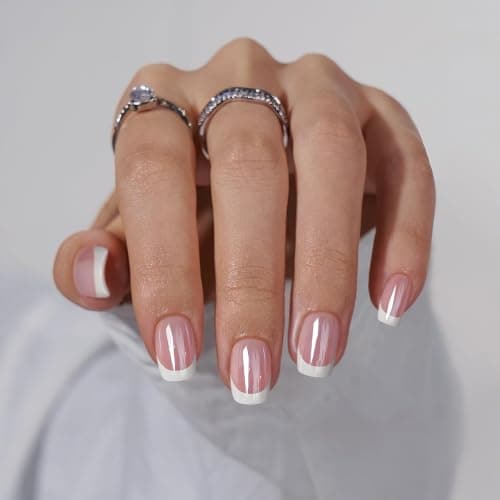
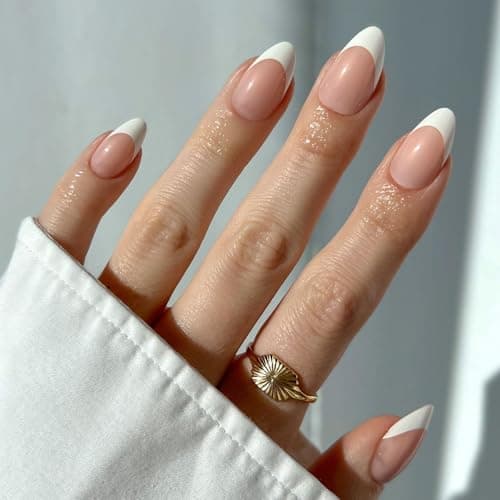
Press-On Nails
Ready-made French sets in every shape and length
22 products
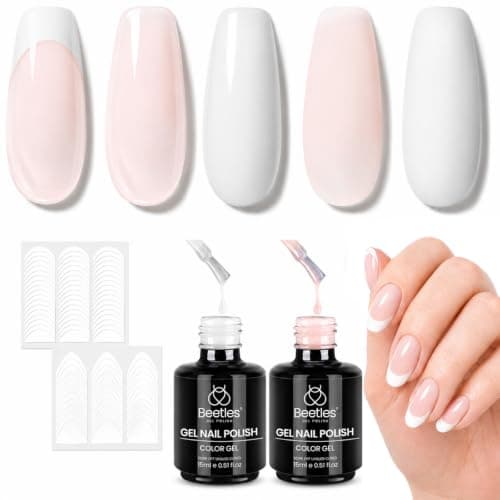
Manicure Kits
Polish, tools and lamps bundled for a first set
18 products
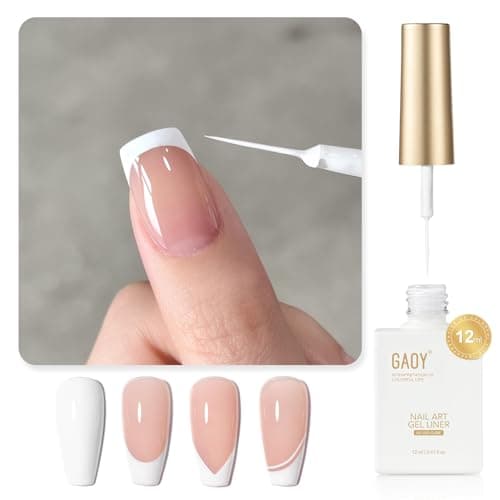
White Gel Polish
One-coat whites and thin liner gels for the tip
19 products
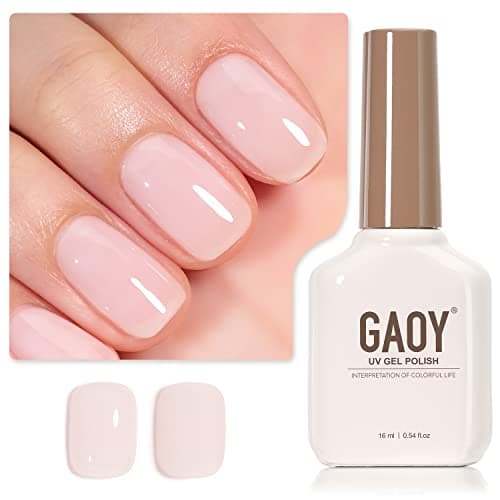
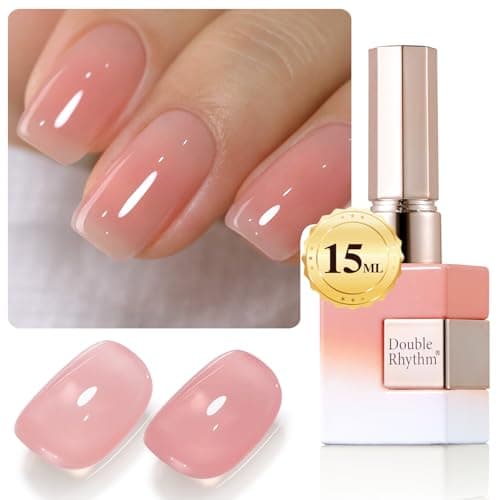
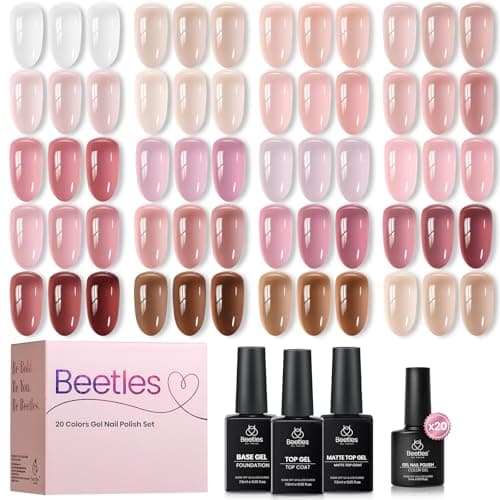
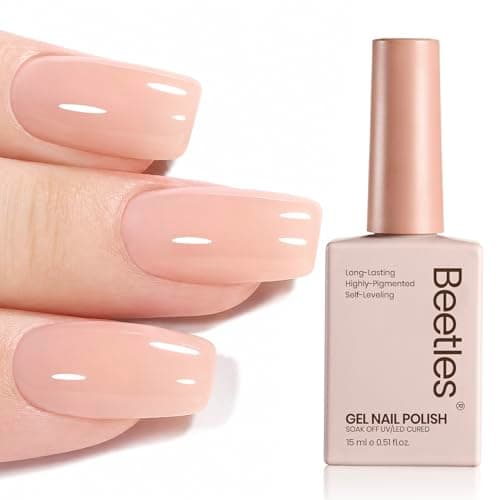
Nude & Pink Bases
Sheer, milky and jelly shades for the nail bed
19 products
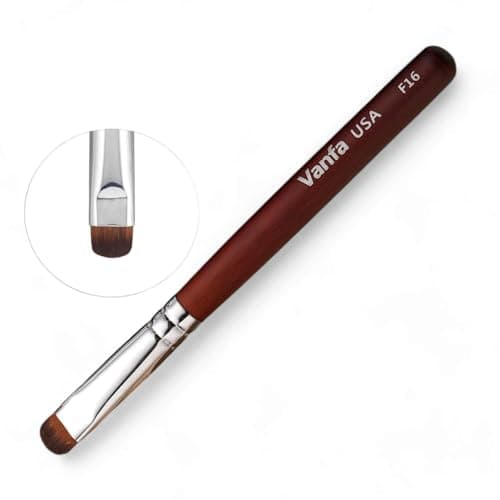
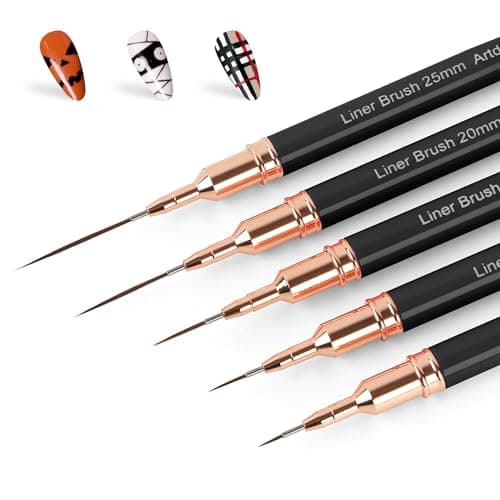
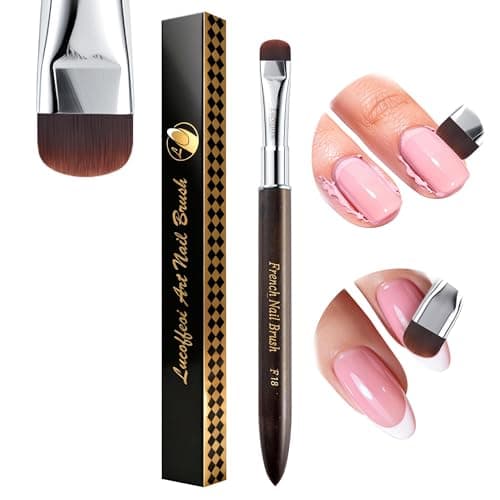
Liner Brushes
Smile-line, striping and clean-up brushes
19 products
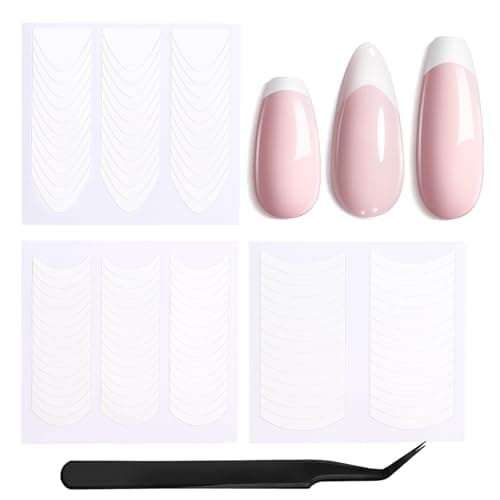
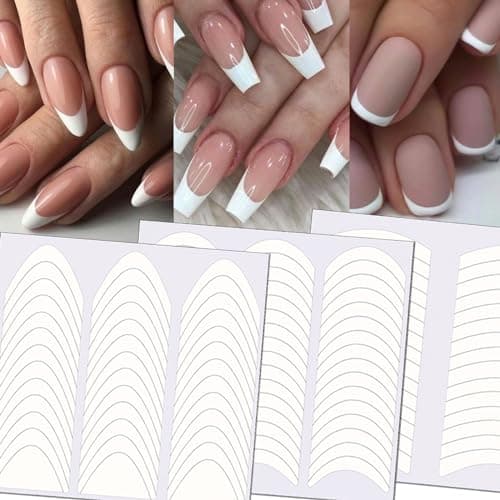
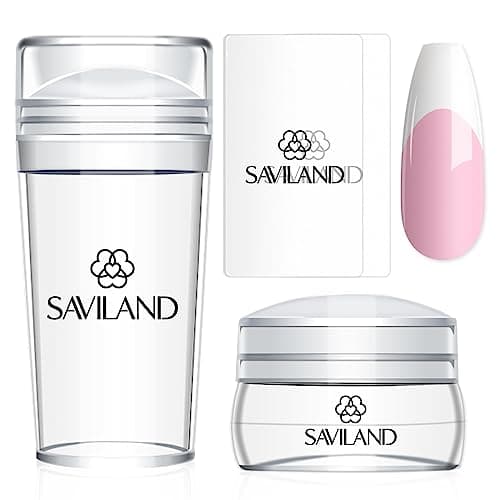
Guides, Stickers & Stamps
Tools that draw the line for you
19 products
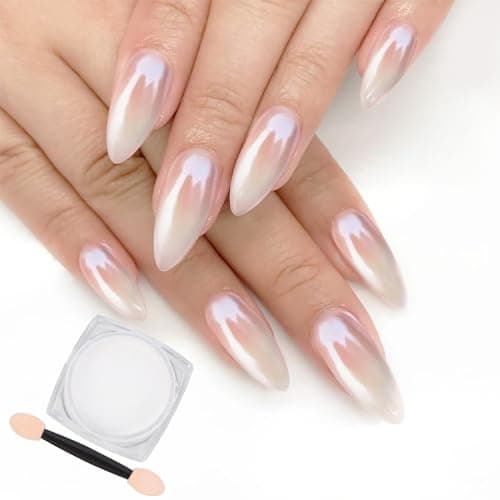
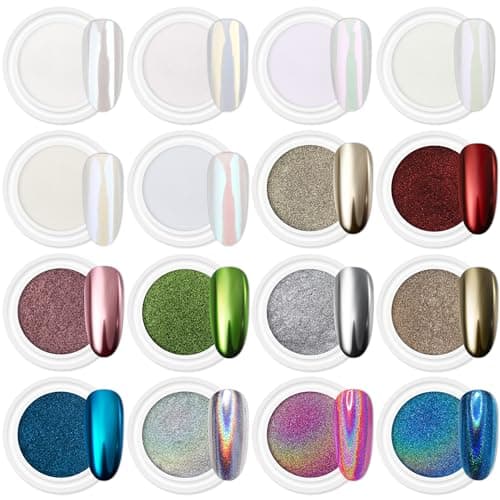
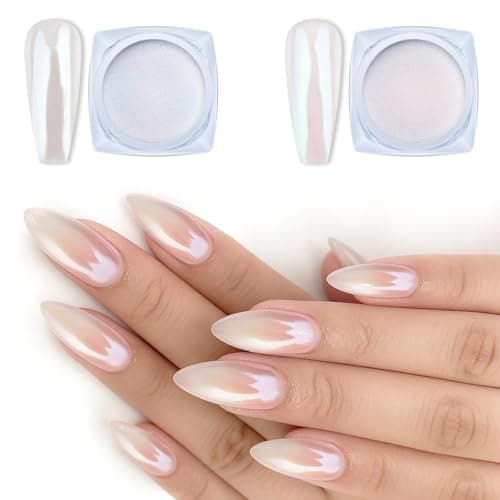
Chrome & Glitter Powders
Pearl, mirror and aurora finishes for the tip
20 products
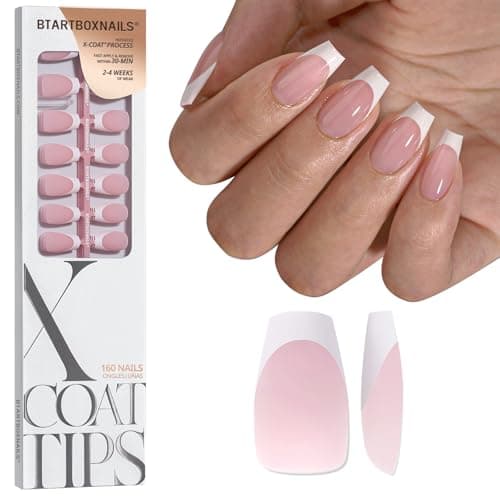
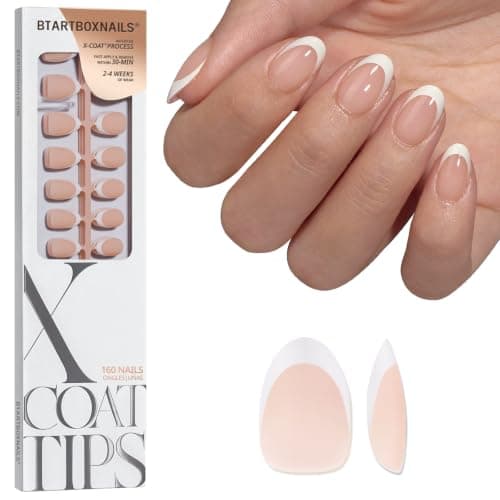
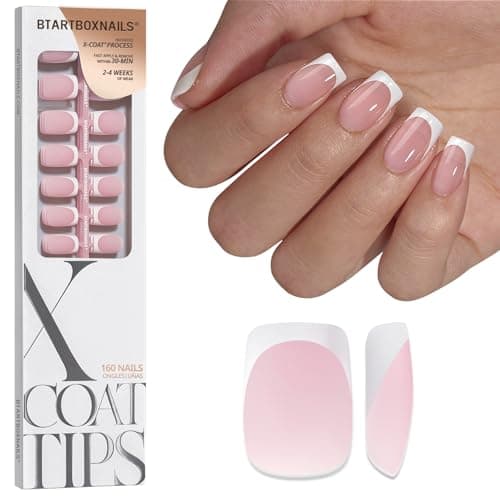
Nail Tips & Extensions
Half-cover and full-cover tips for gel and acrylic
20 products
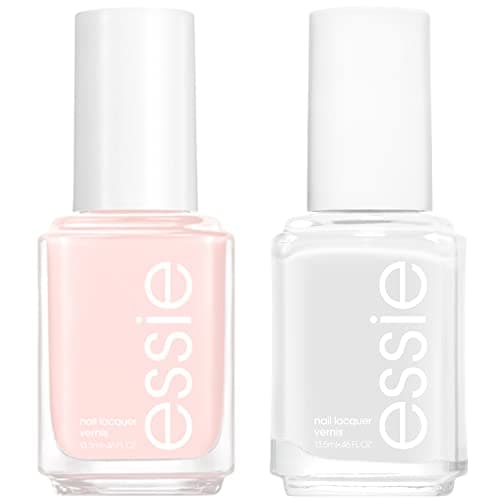
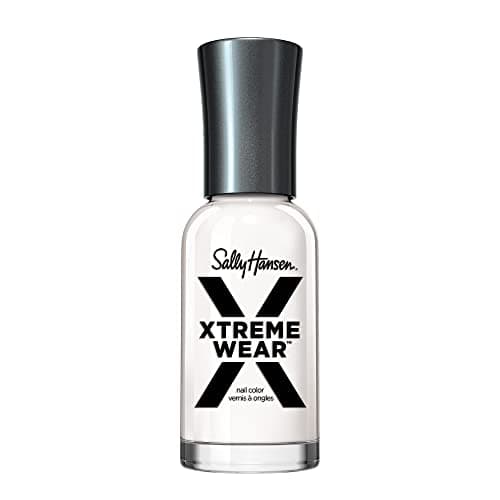
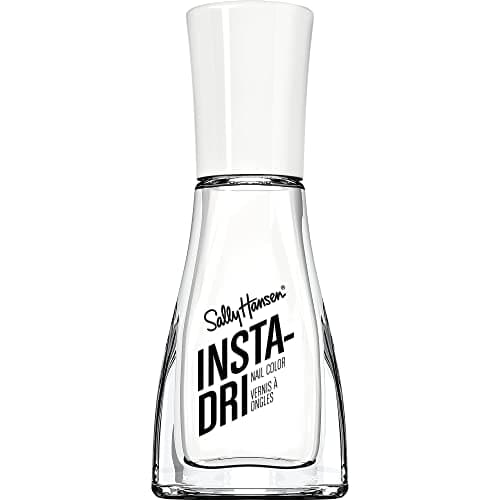
Regular Polish
Classic French shades, no lamp needed
18 products
Bestsellers right now
The lowest Amazon sales ranks in the catalog — what people are actually buying this week.
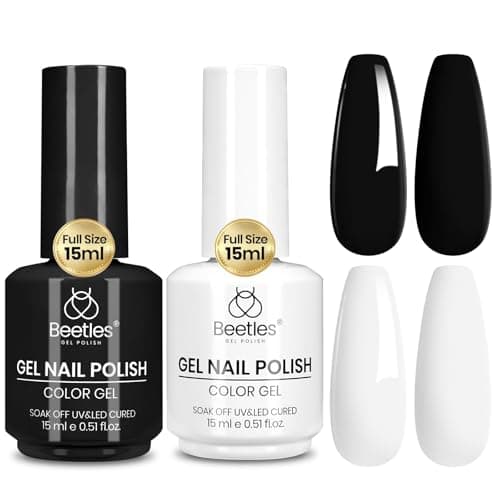
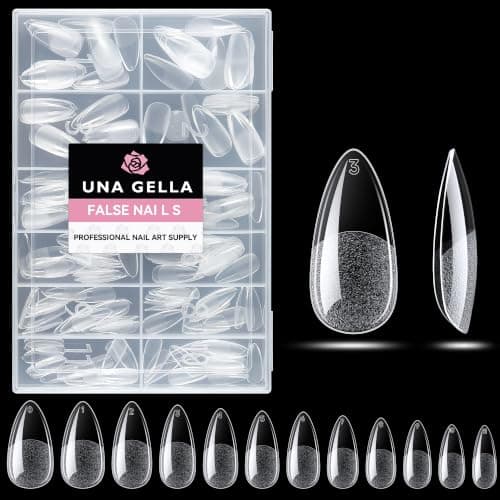
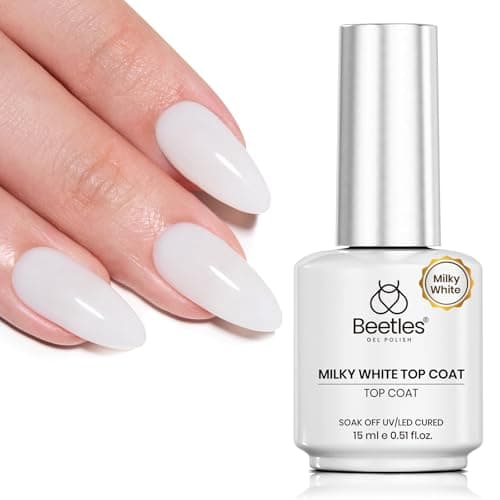
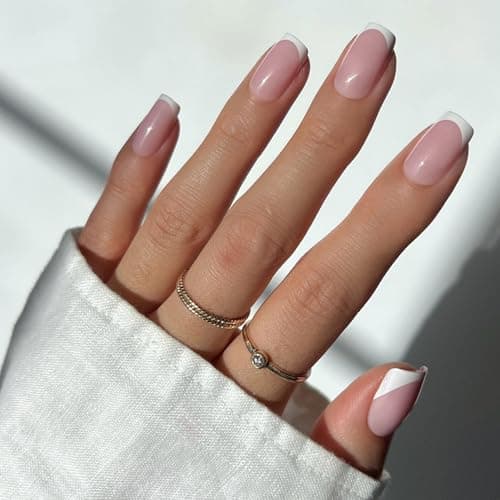
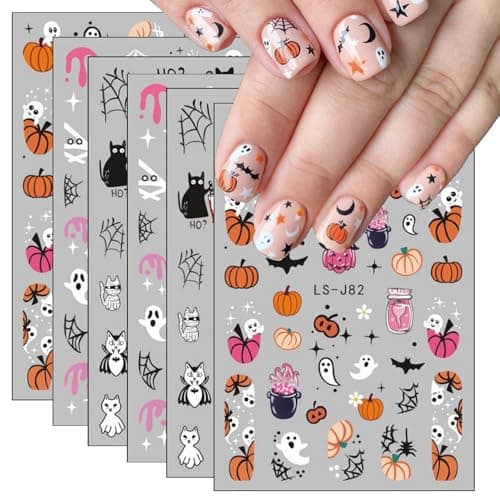
For Halloween
The picks from this season's guide — colours, finishes and sets chosen for the occasion, not the catalogue in general.
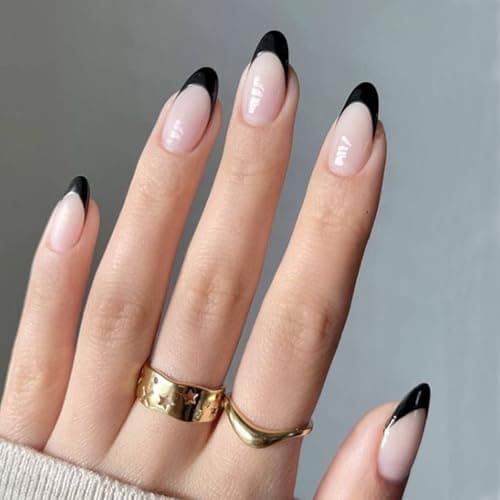
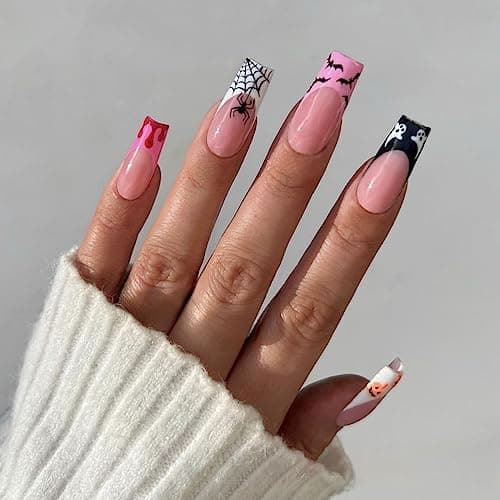
On sale today
Anything with a live discount against its list price, biggest first.
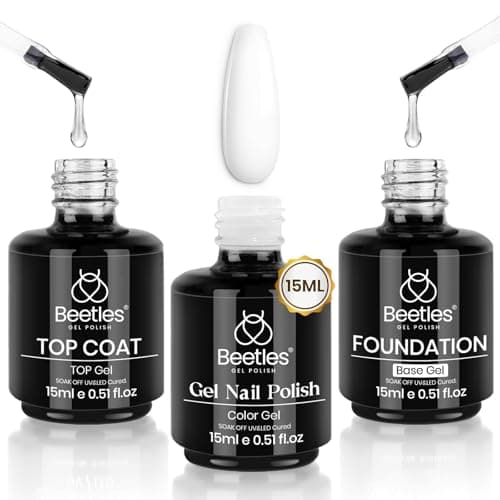
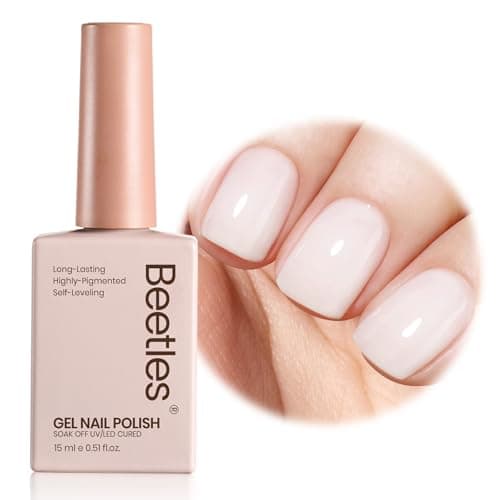
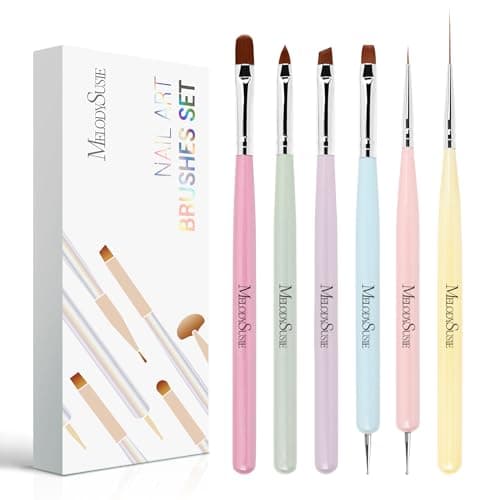
Shop by the look you want
Every style page shows the finish up close and lists the exact products that get it.
How to shop for a French manicure without buying twice
Almost everyone who does a French tip at home for the first time buys the wrong white. It is the most common mistake in the category and it is easy to see why: the product is called “white gel polish,” the tip is white, so a bottle of white gel polish must be the thing. Then the first coat goes on translucent and streaky, the second coat covers but leaves a raised ridge along the smile line, and the whole set looks thick. What that person needed was a liner white — a 5–7 ml bottle with a long thin brush and a formula pigmented enough to cover in one pass — and it sits in the same category, three products down.
That is the logic of how this shop is organised. Each category page is not a list of popular things with a French tip in the title; it is a decision, written out, with the products that answer it. Which white for a thin line versus a bold one. Which press-on shape when your nail beds are wide. Which chrome powder actually reads white over a white tip instead of turning it grey. Which guide sticker fits a deep C-curve. The product grids come first because that is what you came for; the guide beneath each grid is there for the moment you are not sure which card to click.
The four routes to a French tip, and what each one needs
Before any product, decide the method. Each one has a different shopping list and a different failure mode, and mixing them — a gel white over a regular-polish base, say — is how people end up with a tip that peels off in one piece on day two.
Regular polish
The lowest barrier and the most forgiving. You need a sheer pink or nude base, a white with a thin brush or a separate liner brush, and a fast-dry top coat. A wobbly line comes off with remover on a clean-up brush and you draw it again. The trade is wear: five to seven days before the tip chips, because air-dry lacquer never gets as hard as cured gel. Everything for this method lives in regular polish, and the brushes are shared with the gel route.
Gel polish
What salons use, and the reason a salon French lasts three weeks. You need a UV/LED lamp, a gel base, a sheer or milky gel for the bed, a liner white for the tip and a no-wipe gel top coat. Gel does not move until you cure it, so you can draw, wipe, redraw and only then lock the line — but once cured, a mistake means filing or soaking off. Bases are in nude & pink bases, whites in white gel polish, and the lamp-and-everything bundles in manicure kits.
Press-on nails
The tip is already painted; your job is sizing and adhesion. You need the set, a file, and whatever the box includes — glue for a one-to-two-week wear, adhesive tabs for three to five days and a damage-free removal. Nothing else. The whole category is about shape, length and fit, which is why press-on French tip nails is arranged by shape before anything else.
Extensions
Tips or forms, plus builder gel or acrylic, plus a lamp. This is the salon-set look — long coffin, long square — done at home, and it is the one route where the products assume you already know the technique. Half-cover tips glue to the free edge and get built over; full-cover soft-gel tips (often sold pre-painted with a French line) glue on whole and get a top coat. Both are in nail tips & extensions.
What each category costs, from our own catalog
These numbers are computed from the live prices in this shop as of October 25, 2026, not quoted from anywhere. They move daily; the point is the shape of each range, which does not.
| Category | Products | Lowest | Typical | Highest |
|---|---|---|---|---|
| Press-On Nails | 22 | $6.99 | $12.99 | $18.97 |
| Manicure Kits | 18 | $3.98 | $9.99 | $43.99 |
| White Gel Polish | 19 | $3.98 | $6.99 | $17.00 |
| Nude & Pink Bases | 19 | $5.39 | $6.99 | $24.00 |
| Liner Brushes | 19 | $3.99 | $6.99 | $19.99 |
| Guides, Stickers & Stamps | 19 | $3.99 | $6.99 | $16.00 |
| Chrome & Glitter Powders | 20 | $3.95 | $6.64 | $25.00 |
| Nail Tips & Extensions | 20 | $4.99 | $9.99 | $26.99 |
| Regular Polish | 18 | $1.99 | $9.50 | $18.95 |
Two things stand out every time we recompute this. First, the consumable categories — polish, powders, brushes, guides — cluster under $10, and the spread inside them is mostly bottle size and brand, not quality. Second, the only place price tracks durability is press-ons and kits, where the $15–$45 tier buys a UV-cured finish, more sizes, or a lamp. Spending more on a white gel does not buy a better line; spending more on a press-on set often does buy one that still looks new on day ten.
The mistakes that show up in every review thread
We read a lot of one-star reviews for this shop, because the complaints that repeat are more useful than the praise. Five of them come up in almost every category.
- A thick white for a thin line.Covered above. If the tip is under 2 mm, buy a liner.
- Skipping dehydration before press-ons.Oil on the nail plate is the single biggest reason a “14-day” set lifts on day two. Alcohol wipe, then do not touch the nail.
- Chrome over a wiped top coat. Chrome powder burnishes into the tacky layer of a cured top coat. Use a no-wipe top coat, cure it fully, then rub the powder in; over a wiped surface it simply falls off.
- Guide stickers on a curved nail. A flat sticker on a deep C-curve lifts at both ends and polish creeps under. Buy guides sold in more than one curve, or use a stamper, which conforms.
- Ordering press-ons by “medium.” Brands do not agree on what medium means. Measure the widest point of each nail in millimetres and match the chart; when between sizes, go up and file.
How we choose what to list
This shop is curated, not scraped. Every product was picked by hand from Amazon’s Creators API search results for the category, and the shortlist for each is capped so that the grid is a decision, not a catalogue. We do not physically test products, and we do not pretend to — the selection is made on formulation and construction details, manufacturer instructions, sales rank (the one quality signal Amazon still exposes through the API), and the failure patterns that repeat across large numbers of reviews. Star ratings are shown where Amazon publishes them and are refreshed with the prices. The full method is on the editorial standards page. Every link in the shop is an Amazon affiliate link, disclosed under the FTC’s endorsement guides; what the gels and adhesives on these pages are, in regulatory terms, is on the FDA’s nail care products page.
Prices are fetched from Amazon’s API daily and every product block shows the fetch date. We never type a price in. If a card shows a price and Amazon shows another, Amazon’s is the one you pay — and the card is simply waiting for its next refresh.
Where to go from here
If you know the method, go straight to its category above. If you know the look but not the method, start on the style page — every one of the French tip nails styles lists the exact products that produce it. And if you have never done one before, the at-home tutorial is the ten-minute read that tells you which of the four routes suits your nails and your patience. From there, back to the french tip nails homepage for everything else.
Questions before you buy
What French tip nail products do I need to start?
For a polish French: a sheer pink or nude base, a white tip polish with a thin brush (or a separate liner brush), and a fast-dry top coat. For a gel French: add a UV/LED lamp, a gel base coat and a no-wipe gel top coat. For press-ons you need only the set, a nail file and either the glue or tabs in the box. Everything else — stampers, guide stickers, chrome powder — is optional and solves one specific problem.
Is gel or regular polish better for French tips?
Gel lasts two to three weeks and cures hard enough to file the smile line crisp, which is why salons use it. Regular polish dries in the air, chips in five to seven days, and is far more forgiving to fix — you wipe a wobbly line off with remover on a brush and redo it. If you already own a lamp, gel. If you do not, a regular polish French is a good first attempt before spending $30 on a lamp.
Where do the prices on this site come from?
From Amazon’s Creators API. Every product block shows the date the price was last fetched, and the refresh runs daily. Amazon’s price at checkout is the one that applies; we never type prices in by hand.
Do you test the products you list?
No — and we say so on every page rather than pretending. Picks are chosen from formulation details, manufacturer instructions, Amazon sales rank and the complaints that repeat across large numbers of buyer reviews. The "watch out" line on each card is where that research lives. Our editorial standards page explains the method in full.
Why is there no "add to cart" on this shop?
Because the checkout is Amazon’s. Every card and every image links straight to the product’s Amazon page with our affiliate tag, so you buy from Amazon at Amazon’s price and we earn a small commission that does not change what you pay. A cart of our own would only add a step.
How do I pick a white for the tip?
By how opaque it is in one coat and how thin the brush is. A tip is a thin stripe, so a white that needs two coats to cover leaves a raised ridge; a liner gel in a 5–7 ml bottle with a long thin brush lays the line in one pass. The white gel category is split into full-size whites and liner whites for exactly this reason.
Which press-on shape is easiest to start with?
Short almond or short oval. Both taper, which hides small sizing gaps at the side walls, and both stay clear of clothing. Short square is the classic French look but every edge is a catch point, and a half-millimetre sizing miss shows on a straight edge far more than on a curve.