BTArtbox
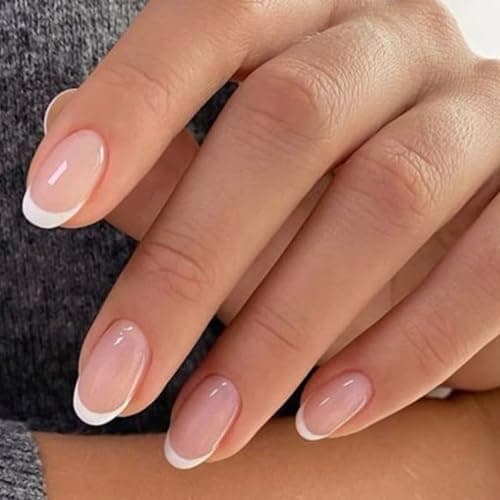
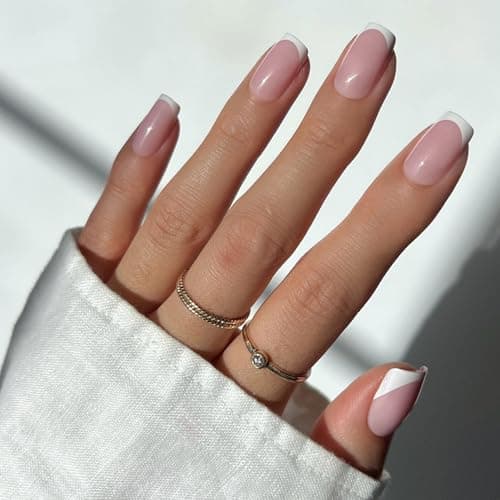
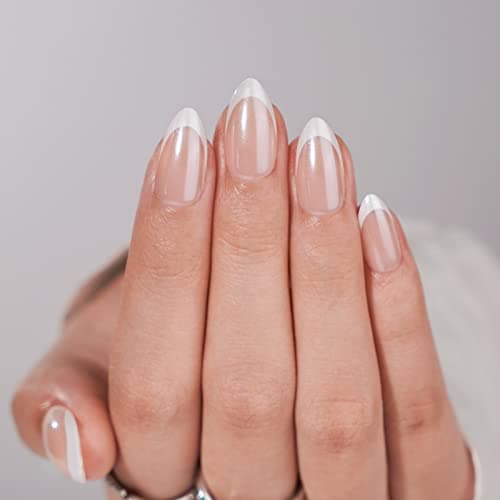
BTArtbox Short Almond White French
$14.974.3 (11,735)
The almond press-onThe almond set — elongating shape, soft-gel construction that files without cracking.
Shop on AmazonFrench tip nails category
almond french tip nails
Almond french tip nails elongate the hand more than any other shape — the tip depth a taper needs, the lengths that hold, and what to ask for.
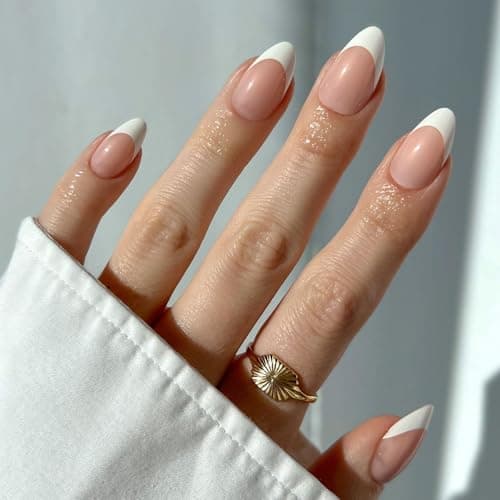
Ask a nail technician which shape makes a French look expensive and the answer, more often than not, is almond. Almond french tip nails flatter because the shape makes fingers look longer and the French tip highlights the taper in a clean, elegant way. Almond is softer than stiletto but still feels elevated compared to square, which is why it’s a go-to for “pretty but not too extra.”
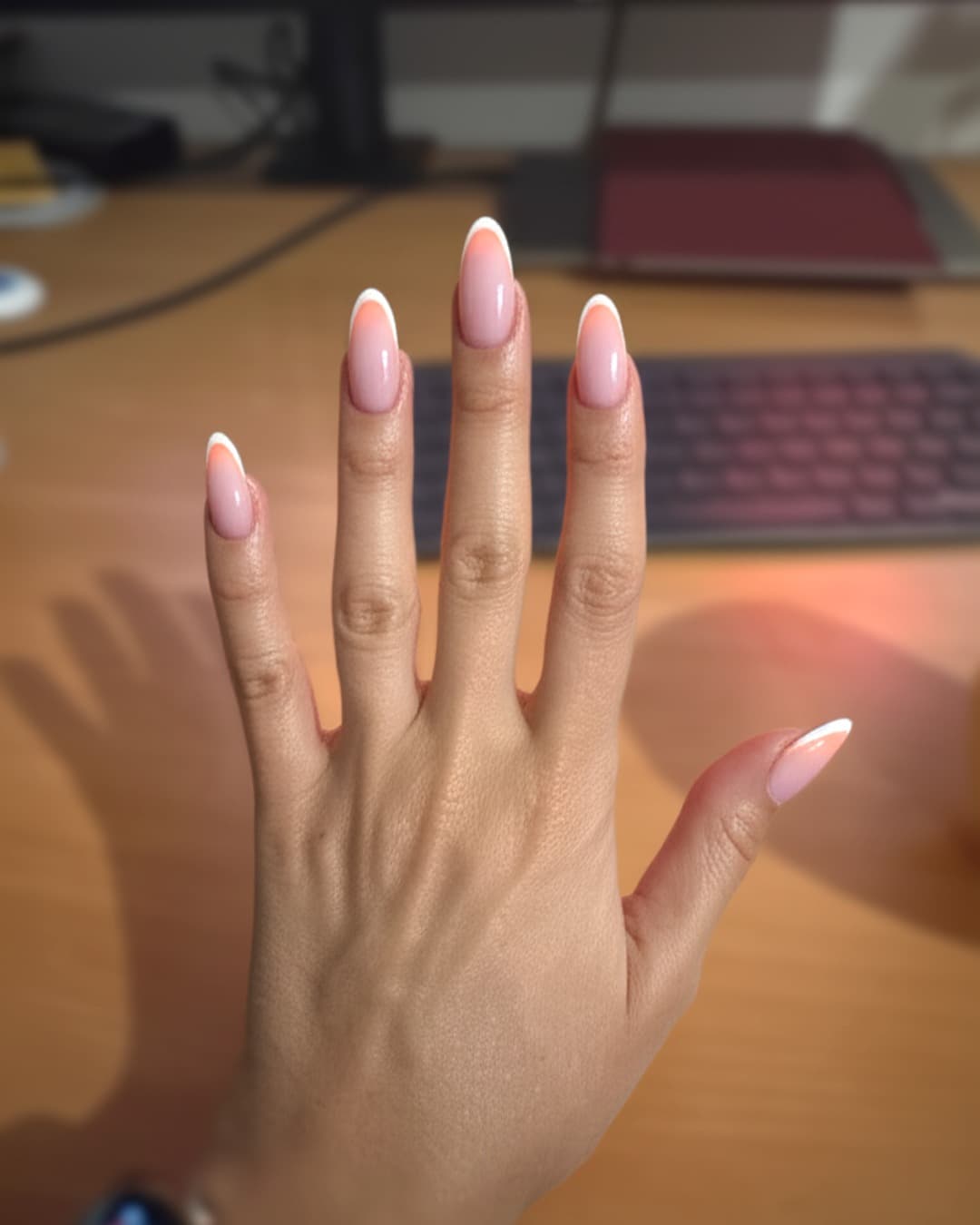
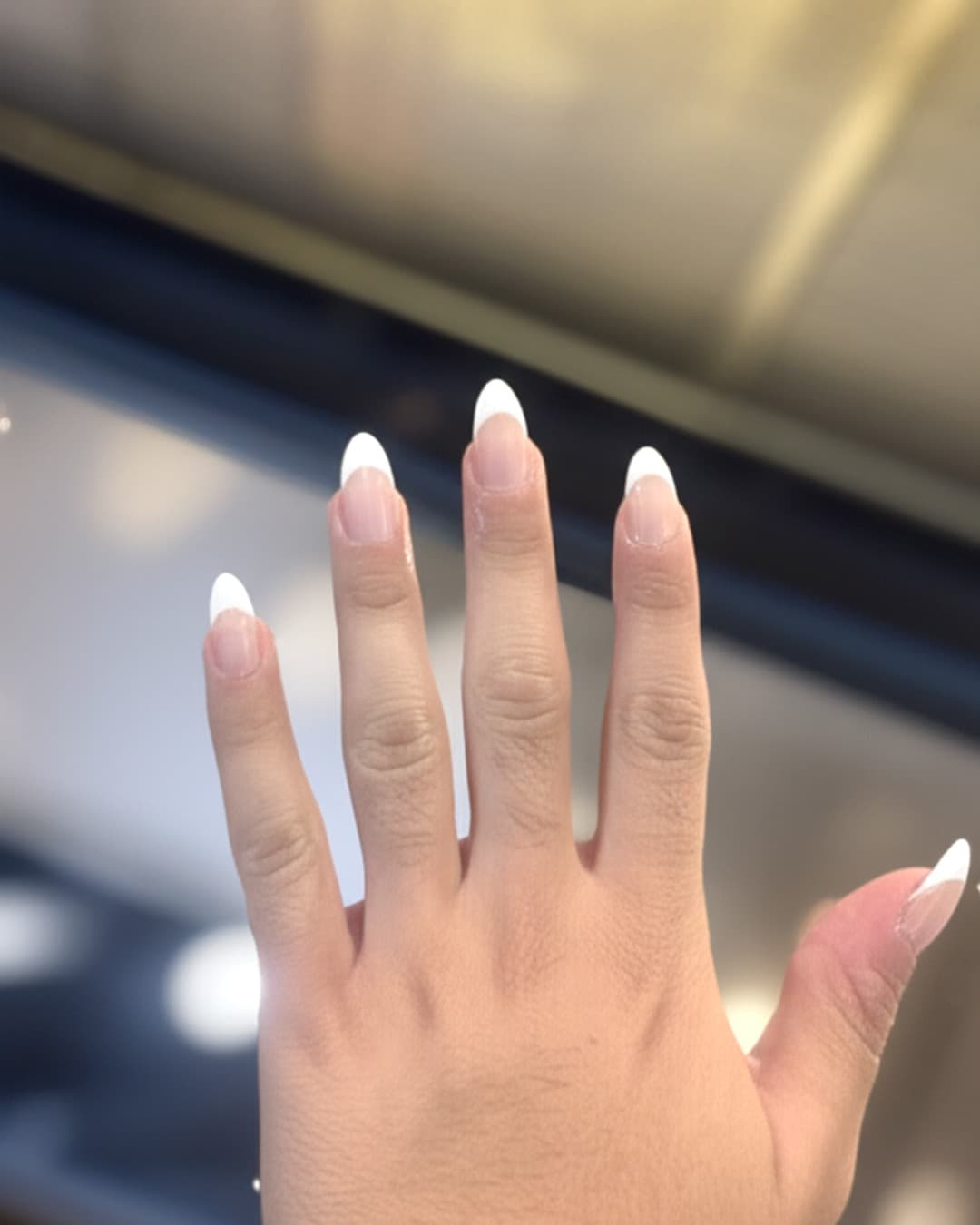
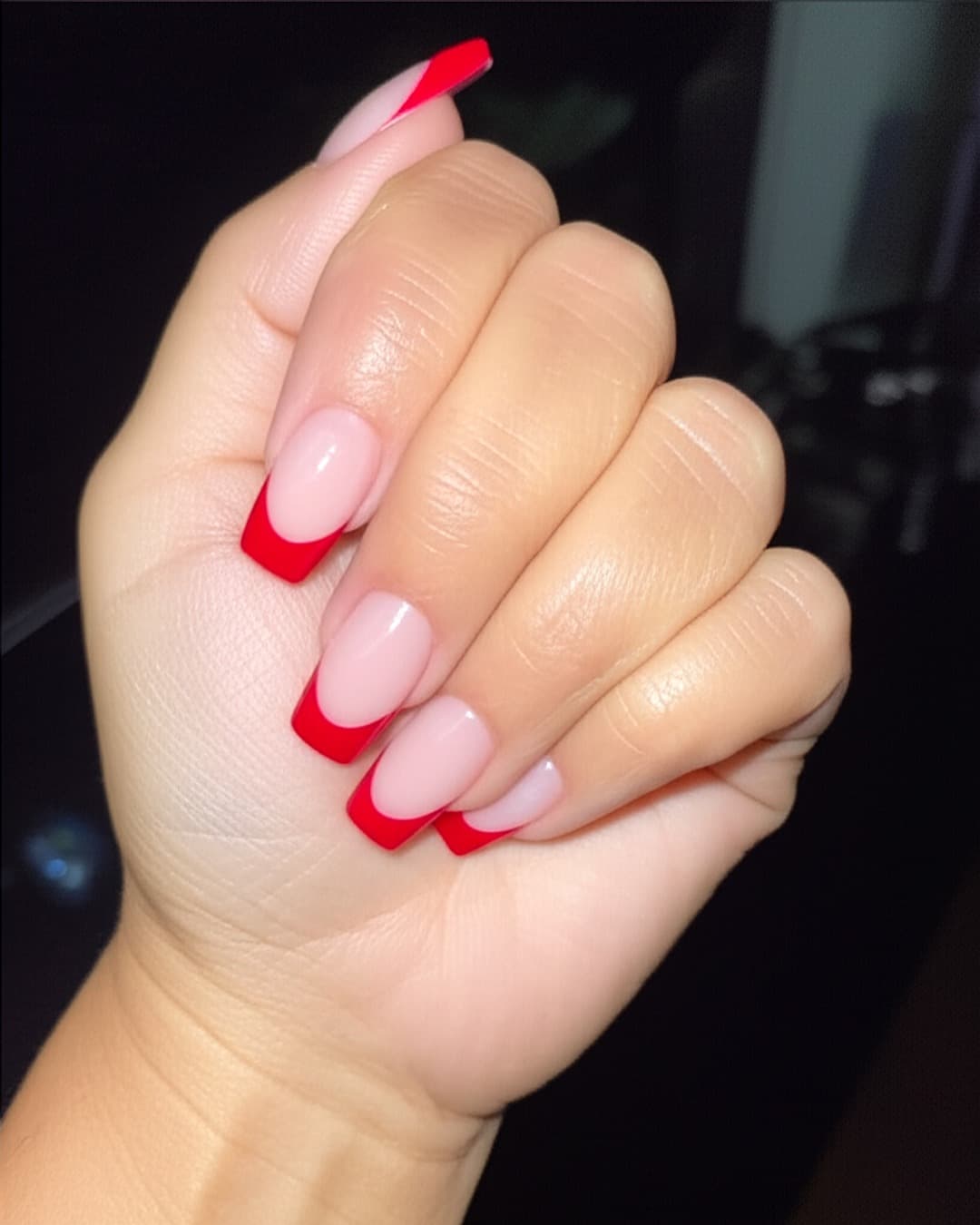
The almond set — elongating shape, soft-gel construction that files without cracking.
Shop on AmazonThe most natural-looking set — reads as a good manicure, not as press-ons.
Shop on AmazonThe category's strongest seller — UV-cured finish that keeps its gloss.
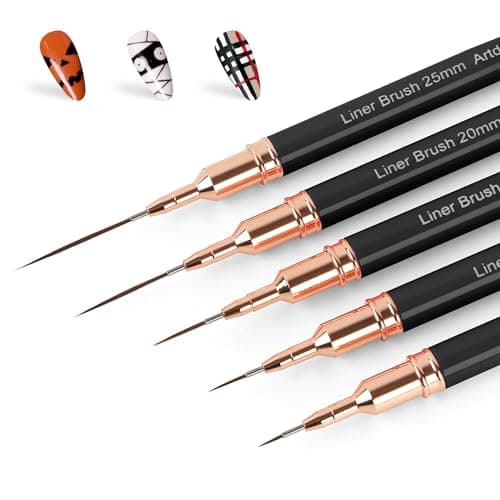
Shop on AmazonBest-selling liner set — long bristles hold enough polish to pull a full curve without reloading.
Shop on AmazonProduct prices and availability are accurate as of October 17, 2026 and are subject to change. Any price and availability information displayed on Amazon at the time of purchase will apply. As an Amazon Associate we earn from qualifying purchases. Star ratings reflect Amazon customer reviews at the time of our last check.
Because almond is tapered, these French variations shine:
Almond shape is all about symmetry. Try:
If your nails are naturally wide, ask for a slightly narrower taper to keep the almond elegant.
This is the most-searched question about almond French tips, and almond genuinely needs a different approach from square.
File the shape before anything else. Find the centre point of the free edge, then file each side wall inward toward it at a consistent angle, working in one direction rather than back and forth. The two sides must mirror each other — an asymmetric almond is far more obvious than an asymmetric square, because the point draws the eye straight to the error.
Go deeper with the curve than you would on square. The taper gives the smile line somewhere to travel, and a shallow curve on an almond nail looks timid. Start each stroke lower on the side wall and let the arc rise more steeply toward the centre.
Follow the taper, not a horizontal line. The most common almond mistake is drawing the tip as though the nail were square. A flat band across a tapered nail leaves visibly more colour on the outer edges than in the middle — the band should narrow as the nail narrows.
Two strokes, meeting at the centre. Start at one side wall, pull toward the tip, lift, then mirror. Because almond has an actual point to aim at, the meeting position is easier to judge than on any other shape.
Almond is the shape most often described as making hands look expensive, and the reason is proportional rather than aesthetic.
The taper continues the line of the finger instead of interrupting it, so the eye reads finger and nail as one length rather than two objects. That effect is strongest on shorter fingers and wider nail beds — precisely the hands that square makes look stubbier.
It also carries a deep French better than any other shape, which makes almond the one silhouette where the dramatic version of this manicure still reads as elegant rather than heavy.
| Length | Reads as | Practical? | Needs extensions? |
|---|---|---|---|
| Short almond | Subtle, slightly elongated | Yes — the everyday version | No, given 3–4 mm past the fingertip |
| Medium almond | Balanced; the shape reads clearly | Yes, for typing and daily use | Sometimes |
| Long almond | Dramatic, fashion-forward | A commitment; the point is fragile | Almost always |
Short almond is the most wearable version and the one to ask for if you are unsure — enough taper to lengthen, without a fragile point. Medium almond is the sweet spot: the shape reads clearly and it remains practical. Long almond needs acrylic or gel extensions to survive; see French tip acrylic vs gel.
Almond does not work very short. Without a few millimetres past the fingertip there is no room for the taper, and filing the sides inward on a very short nail narrows it without lengthening anything.
The tip of an almond nail carries less material than any shape except stiletto, which is why it is where breaks start.
Cap the free edge deliberately — run the top coat brush over the very point, not just across the surface. File in one direction only, since sawing back and forth separates the nail layers at exactly the thinnest spot. And if the point begins to blunt, reshape it rather than letting it wear unevenly; an uneven point is what catches and tears.
Almond carries deeper and warmer tip colours best, because the taper stops a dark band looking blocky. Caramel, chocolate, burgundy and forest tones all read as expensive on almond in a way they can look heavy on square.
It also suits the nude-on-nude treatment particularly well — the shape does the lengthening, so the colour does not have to do anything at all.
Almond is achievable on natural nails, which is not true of coffin or stiletto, and that changes the cost calculation considerably.
On natural nails you need perhaps three or four millimetres past the fingertip for the taper to read. Filing to almond costs nothing beyond the file you already own, and a French tip on a natural almond nail is one of the least expensive ways to look properly groomed.
On extensions you can go longer and sharper, and the technician sculpts the taper rather than filing it out of existing nail — which means a more symmetrical result. Expect the shape upgrade to add $5–$15 over a square set. Full ranges in how much are French tip nails.
The honest advice: try almond on your natural nails first. It is free, it is reversible, and most people discover the shape suits them before committing to extensions.
Two failures account for nearly all of them.
The point is off-centre. Look down at the nail from directly above, not at an angle. Find the centre of the cuticle and the centre of the free edge; they should line up. If the point drifts to one side, file the longer side down rather than trying to build the shorter one out.
The sides are curved rather than straight. A true almond has straight tapering walls meeting at a soft point. If you file in a continuous arc you get an oval, which is a perfectly good shape but a different one. Straight strokes, changing angle only at the tip.
Both are easier to correct early. Once the shape is badly off, filing it right removes noticeable length.
Almond grows out differently from square, and knowing how changes when you need to rebook.
As the nail grows, the point moves further from the fingertip and the taper starts partway up rather than at the edge — so the shape gradually reads longer and narrower than intended. Most people notice this at around week three, before the polish itself looks tired.
A light reshape at home fixes it: file the sides to re-establish the taper from the new nail position, rather than only filing the tip. Filing just the point makes the nail progressively shorter without restoring the shape.
Cuticle oil matters more here than on blunter shapes, because a dry nail plate is a brittle one and almond has the least material where it matters most.
Worth a brief note because people ask: almond is a poor pedicure shape. Toenails filed to a point are prone to ingrowing at the side walls, and the taper serves no aesthetic purpose on a toe.
Square or squoval is correct for toes, with the same thin French band. The shape rule that applies to hands does not transfer here.
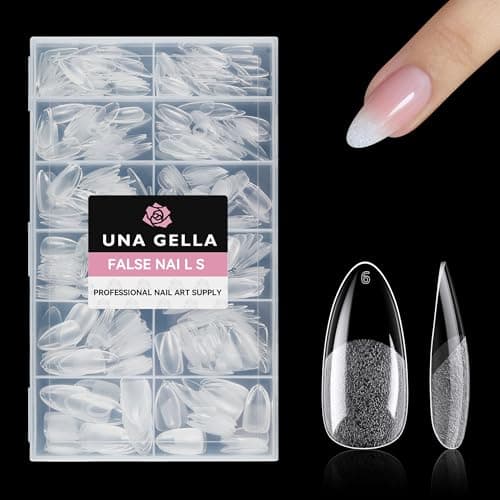
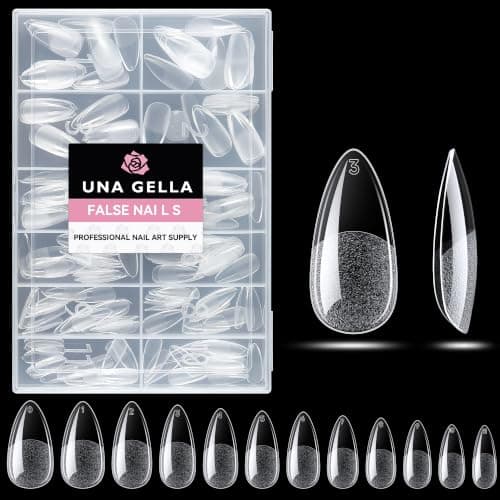
Almond is the shape with the most ready-made options in the shop, which matters because an almond that is filed by hand is only as symmetrical as the person filing it. The BTArtbox short almond and Glamnetic almond sets in the press-on French tip nails category are pre-shaped and pre-lined; the UNA GELLA clear almond tips in the nail tips category are blanks for painting your own line before they go on. For the line itself, a short liner from the brushes page is easier on a taper than a long striper.
If you are deciding between shapes, compare almond with square French tips and coffin French tips; French tip nail shapes compares all seven, and short French tips covers the length most people are working with. Home from french tip nails.
For the nail underneath any of this, the American Academy of Dermatology's nail care basics are the sensible baseline — most damage attributed to a manicure is removal damage.
What French tip shoppers are buying this week, across every category.
Why do almond French tip nails look so flattering?
Almond shape naturally elongates the fingers, and the curved tip complements the smile line, making the nails look longer and more balanced.
Are almond French tips practical for everyday?
Yes—medium almond is a great everyday shape. Very long almond can snag more easily, so choose a length that matches your routine.
What tip style works best on almond nails?
A slightly curved smile line that follows the almond shape looks the most natural. V-French can also look stunning and extra elongating.
Can I do almond French tips on natural nails?
If your nails have enough length to taper, yes. If not, ask for short almond gel extensions to get the shape without going very long.
What colors look best on almond French tips?
White is classic, black looks sleek, and pink or nude tips look soft and romantic. Chrome finishes also pair well with almond shapes.
How do I ask for almond French tips at the salon?
Say the length and the shape together, then the tip: 'medium almond, French, thin tip.' If your nail beds are wide, add 'a slightly narrower taper.' Almond is the shape where symmetry between the two hands matters most, so asking to see the first nail before the rest are shaped is worth the sentence.
Is almond the same as stiletto?
No. Both taper, but almond ends in a soft, rounded point and stiletto in a sharp one. Almond works on natural nails at medium length; stiletto needs extensions and is the least practical shape there is. Most people who ask for stiletto and regret it wanted a long almond.
Black French Tip Nails
black french tip nails
Blue French Tip Nails
blue french tip nails
Brown French Tip Nails
brown french tip nails
Burgundy French Tip Nails
burgundy french tip nails
Chrome Coffin French Tip Nails
chrome coffin french tip nails
Chrome French Tip Nails
chrome french tip nails
Coffin French Tip Nails
coffin french tip nails
Cute French Tip Nails
cute french tip nails