essie
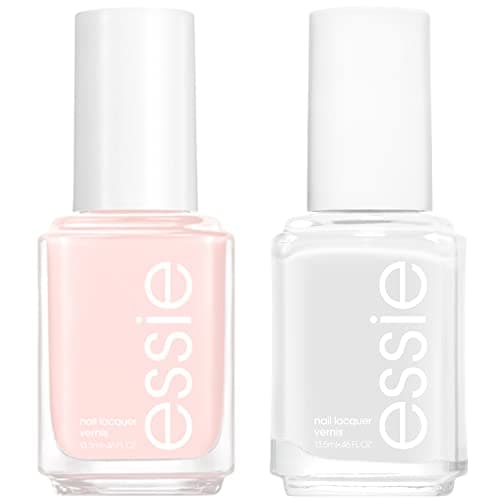
essie Ballet French Manicure Kit
$17.204.4 (7,676)
The classic, no lampRegular polish, no lamp needed — built around Ballet Slippers, the reference sheer pink of French manicures.
Shop on AmazonWhat are french tip nails, where the style came from, the modern variations worth knowing, and how to pick the tip colour, thickness and shape.
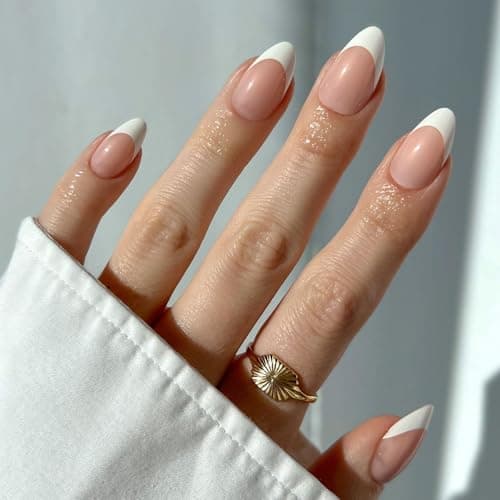
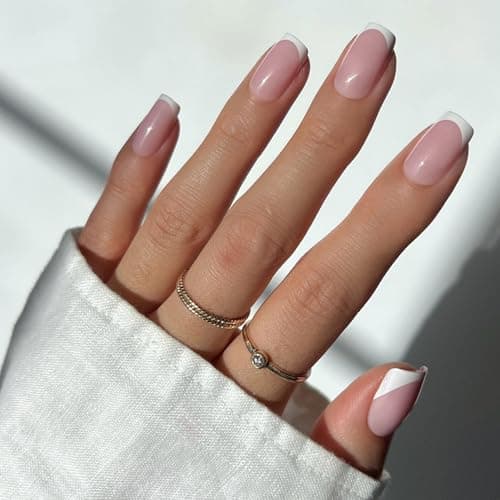
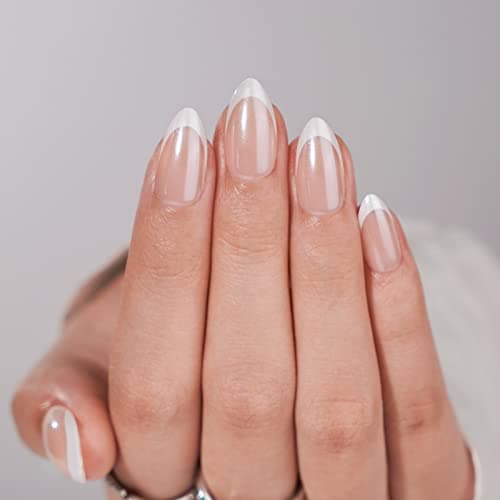
French tip nails are a manicure with a sheer, natural-looking base and a contrasting band of colour painted across the free edge of the nail — traditionally white. The curved boundary between the two is called the smile line, and it is the entire style in one detail: get the curve clean and symmetrical and the manicure looks expensive, get it wobbly and no colour choice rescues it.
The look is also called a French manicure. The two terms are used interchangeably, though "French tips" tends to imply the modern coloured and thin-line variations while "French manicure" suggests the classic white.
Regular polish, no lamp needed — built around Ballet Slippers, the reference sheer pink of French manicures.
Shop on AmazonThe default one-coat white for tip lines — rank 200 across the whole nail category, and opacity is everything on a French tip.
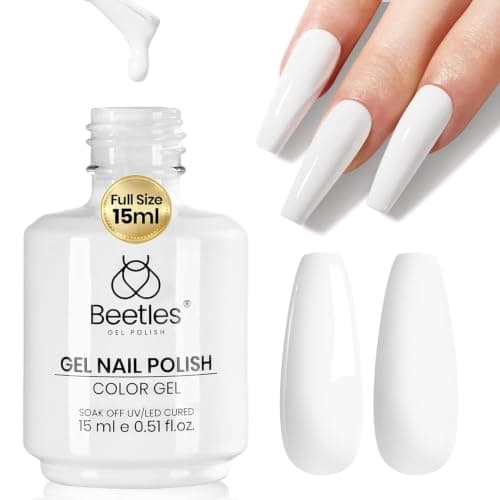
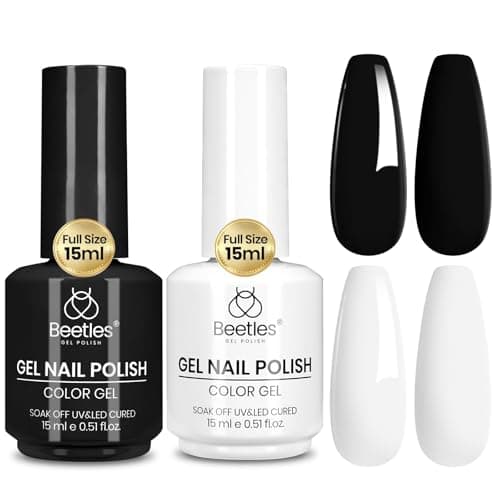
Shop on AmazonThe category's strongest seller — UV-cured finish that keeps its gloss.
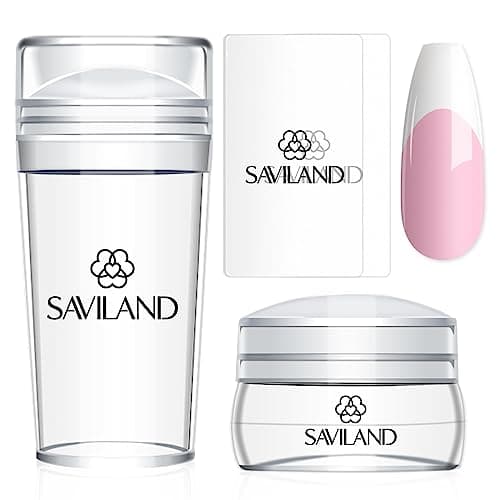
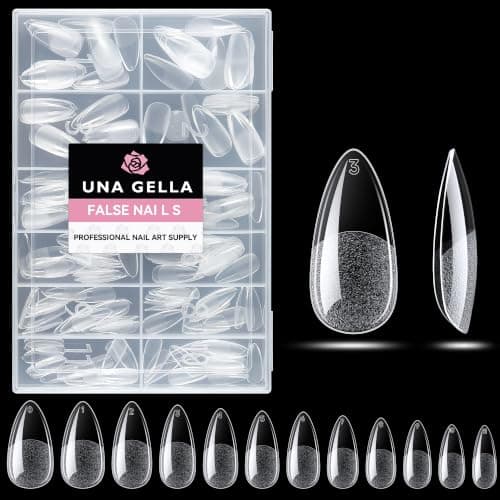
Shop on AmazonPresses the curve on in one motion — the fix for shaky freehand.
Shop on AmazonProduct prices and availability are accurate as of October 17, 2026 and are subject to change. Any price and availability information displayed on Amazon at the time of purchase will apply. As an Amazon Associate we earn from qualifying purchases. Star ratings reflect Amazon customer reviews at the time of our last check.
Worth knowing, because it comes up constantly and the popular version is wrong.
The style is not French in origin. It was popularised in 1975 by Jeff Pink, founder of the American nail brand ORLY, who developed it for Hollywood film sets — actors changed costume constantly and repainting nails to match each outfit wasted production time. A neutral base with a white tip went with everything. He reportedly named it the "French manicure" after showing it on Paris runways, and the name stuck.
So it is a Los Angeles invention with a French marketing name. Nail historians will point out that pale-tipped nails appear much earlier than 1975, but the specific style we recognise today, and the name, date from then.
The base. Sheer pink, nude, beige or milky white. The critical word is sheer — the look depends on the eye reading the base as natural nail. An opaque nude flattens the illusion and it stops reading as a French at all.
The tip. A band of contrasting colour across the free edge, following a curve. Classically white; now routinely black, chrome, pastel, or a colour matched to an outfit.
Change either half and you get a different style. Change the tip colour and it is still recognisably a French; make the base opaque and it is not.
The style has fragmented considerably in the last few years, and the names are used loosely.
Micro-French. A very thin tip, sometimes barely a hairline. Currently the most-worn version and the most flattering on short nails.
Deep French. A thick band curving high up the nail. Dramatic, and needs length to carry it.
Coloured French. Any tip colour other than white — black, red, blue, pastel.
Nude-on-nude. A nude tip barely darker than the base. Quiet, expensive-looking. See nude French tips.
Ombré French / baby boomer. The tip fades into the base instead of meeting it at a hard line. See ombre French tips.
Chrome French. A metallic powder burnished over the tip. See chrome French tips.
Reverse French. The band sits at the cuticle rather than the tip — a half-moon.
V-cut or chevron. The line comes to a point in the centre instead of curving.
Double French. Two parallel lines in different colours.
Roughly 15% of the visible nail. On a short nail that is one to two millimetres; on a long nail it can be three or four.
Thicker tips visually shorten the nail, because the eye reads the white band as where the nail ends. This is the single most common mistake in home French manicures, and it is why so many people conclude the style "doesn't suit" them when the proportion was simply off.
Classic white is the highest-contrast option — crisp and traditional, but it emphasises any unevenness in the line and shortens short nails the most.
Off-white or cream gives the same shape with a softer edge. Usually the better choice on short nails.
Nude or beige is the subtlest. Very forgiving of an imperfect curve, which makes it a good first attempt.
Dark colours in a thin line read as graphic and modern rather than heavy — as long as the line stays thin.
Chrome or pearl draws the eye through reflectivity rather than width, so it works thin.
Three practical reasons, beyond fashion.
It grows out gracefully. The tip line moves down with the nail rather than leaving an obvious gap at the cuticle the way a solid colour does. A French set still looks deliberate at three weeks.
It goes with everything, which was the original point.
It suits professional settings where bright colour might not, while still looking finished.
Salon. $25–$45 for regular polish, $40–$65 for gel, $55–$95 for an acrylic full set. Full breakdown in how much are French tip nails, and how to ask for French tips at the salon for the wording.
At home. A sheer base, an opaque tip colour, and one line-making tool. Roughly 45 minutes for a first attempt. See how to do French tips at home and our picks for the best French tip nail brush.
Press-ons. $8–$16, fifteen minutes, no skill needed. See the best press-on French tips.
Yes — arguably better than most manicures do, provided the tip stays thin and the base stays sheer. The failure mode is a thick white band on a short bed, which truncates the nail. How to do French tips on short nails covers the adjustments.
Several styles get called French tips when they are not, and the distinction matters when you are asking for one.
American manicure. Same structure, softer contrast — a cream or beige tip over a warmer, more opaque base. The effect is subtler and more natural-looking. If a classic white French reads as too stark on you, this is usually the thing you actually want.
Milky or glazed nails. A translucent white over the whole nail with no tip line at all. Related in mood, but it is not a French — there is no smile line.
Half-moon manicure. A contrasting shape at the cuticle rather than the tip. A distinct 1920s–30s style, sometimes now called a reverse French.
Tip-only colour with no base. A bare nail with a coloured edge. Increasingly common and often filed under French tips, though purists would point out the sheer base is half the definition.
Wear time depends entirely on the system underneath, not on the French itself:
The French does have one advantage over solid colour at every one of those durations: it grows out gracefully. A solid colour leaves an obvious bare gap at the cuticle within a week, while a French tip simply migrates down the nail with the growth and continues to look intentional.
Essentially everyone, with two adjustments.
If your nails are short, keep the tip thin and consider an off-white rather than a stark white. If your nail beds are wide, a tapered shape plus a shallow curve narrows them visually.
Skin tone affects the base more than the tip: cooler undertones tend to suit pinker sheers, warmer undertones suit beige and peach ones. This matters more than which white you pick.
Four things account for most French manicures that do not look right.
Too thick a tip. Covered above, and by some distance the most common. If in doubt, thinner.
Asymmetric side points. The two ends of the smile line should sit at the same height on each side of the nail. When one is higher, the nail looks tilted — and because the eye compares across ten fingers, one uneven nail is noticeable.
An opaque base. Kills the natural-nail illusion the whole style depends on.
Skipping the free edge. Not sealing the very end of the nail with top coat is why tips chip within days.
The base matters more than the tip here, but the tip is not neutral either.
Stark white creates the most contrast against every skin tone, which is why it reads as bold. On deeper skin tones a warm off-white or cream often looks more intentional and less like a stripe. On very fair skin a pure white can disappear against the nail — a slightly grey-toned white holds its edge better.
None of this is a rule, and plenty of people wear the opposite deliberately. But if a classic French has ever looked slightly off on you without your being able to say why, contrast is usually the reason.
Because the whole style lives in one curve, it helps to know the words for its pieces — they are what a technician is thinking about, and they are what to say when one nail looks wrong.
A French that looks off is nearly always one of these — depth too great for the nail's length, side points uneven, or a curve deeper than the shape can hold — and naming the piece is faster than "it looks wrong."
| Base | Tip | Boundary | Reads as | |
|---|---|---|---|---|
| French tip | Sheer pink or nude | Opaque white or colour | A crisp line | Classic, graphic |
| American manicure | Warmer, slightly more opaque | Cream or off-white | A soft but visible line | Natural, low-contrast |
| Baby boomer (ombré French) | Sheer pink | White | No line — a gradient | Soft, bridal |
All three share the sheer-base-plus-lighter-tip structure. If a classic French looks stark on you, the American manicure is usually the fix; if you want the softest possible version, the ombré French has no line to get wrong.
It is tempting to think of a French as "white tips," but the illusion depends on the base reading as your own nail. That is why an opaque nude with white tips reads as a colour-blocked manicure rather than a French, and why the base shade is worth choosing as carefully as the white — the nude polish for French tips page sorts the sheers, milkies and jellies by undertone. The white sits on top of that decision, not instead of it.
The dermatologists' view of all this — soak rather than peel, oil the cuticles, file in one direction — is the American Academy of Dermatology's nail care basics.
French tip nail shapes explains how shape changes the way the smile line reads. French tip acrylic vs gel covers the systems.
For inspiration, white French tips for the classic, simple French tips for the everyday version, or the french tip nails homepage for everything.
What French tip shoppers are buying this week, across every category.
Want to see this on real nails?
Every style page shows the finish close up, a creator video, and the products used to get it.
New Year French Tip Nails: The One Night Glitter Is Correct
New year french tip nails for the night and the weeks after — where metallic and glitter genuinely belong, and what you'll regret on January 2nd.
Christmas French Tip Nails Without the Costume
Christmas french tip nails that read festive rather than novelty — the colours and finishes that work in low winter light, and when to book.
Black Friday Nail Deals: What Is Actually Worth Buying
Black friday nail deals, filtered — which nail products genuinely discount, which never do, and how to build a French tip kit without buying filler.
French Tips for Kids: Safe, Simple and Actually Doable
French tips for kids on short little nails — which products are safe at which ages, the peel-off polishes, and a method for nails that won't sit still.
Thanksgiving French Tip Nails: Warm, Simple and Photograph-Ready
Thanksgiving french tip nails in the warm neutrals that suit the table and the photos — why to book earlier than you think, and what survives cooking.
How Long Do French Tip Nails Last? Every System, Honestly
How long do french tip nails last — polish, gel, acrylic, extensions and press-ons compared, and why a French grows out better than solid colour.