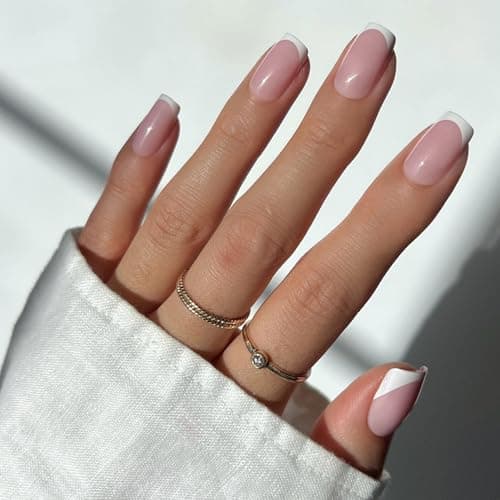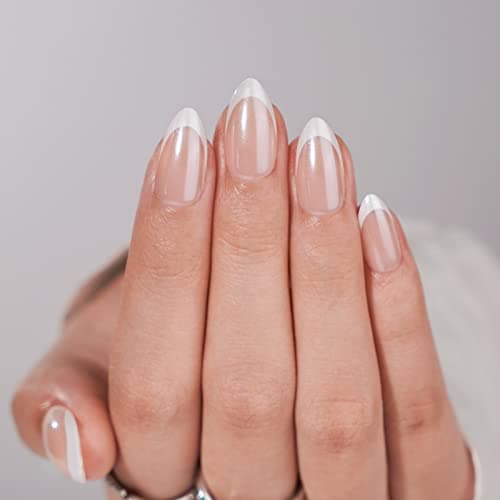
NHIXK
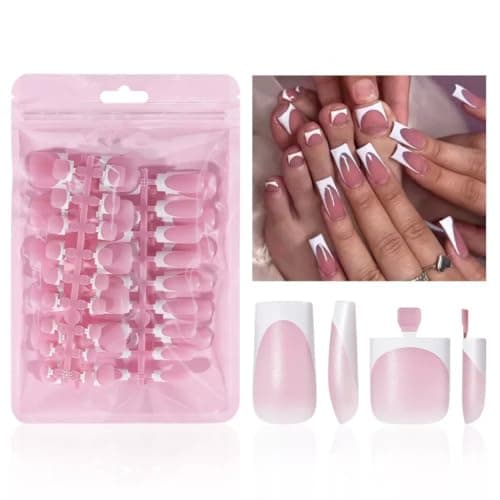
NHIXK White French Fingers + Toes Set, 60pc
$6.994.0 (1,312)
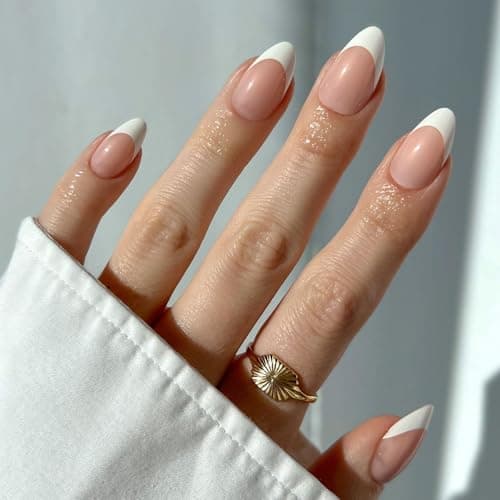
Fingers and toesMedium square Frenches for hands and matching toenails in one box, with 48 jelly adhesive tabs — the only set here that covers a full French pedicure.
Shop on AmazonFrench tip nails category
square french tip pedicure
A square french tip pedicure suits almost every toe because the square edge follows the nail's own shape — filing, tip width, home versus salon.
A square french tip pedicure is the version of the French that works on a foot. Most fingernail Frenches translate badly to toes: almond and oval shapes need length a toenail does not have, deep smile lines look odd on a nail seen from above, and thin micro tips vanish at the distance feet are viewed from. The square French — straight edge, clean white bar, sheer pink or nude base — is built for exactly the shape a toenail already has.
This page is the how, in the order you would do it.
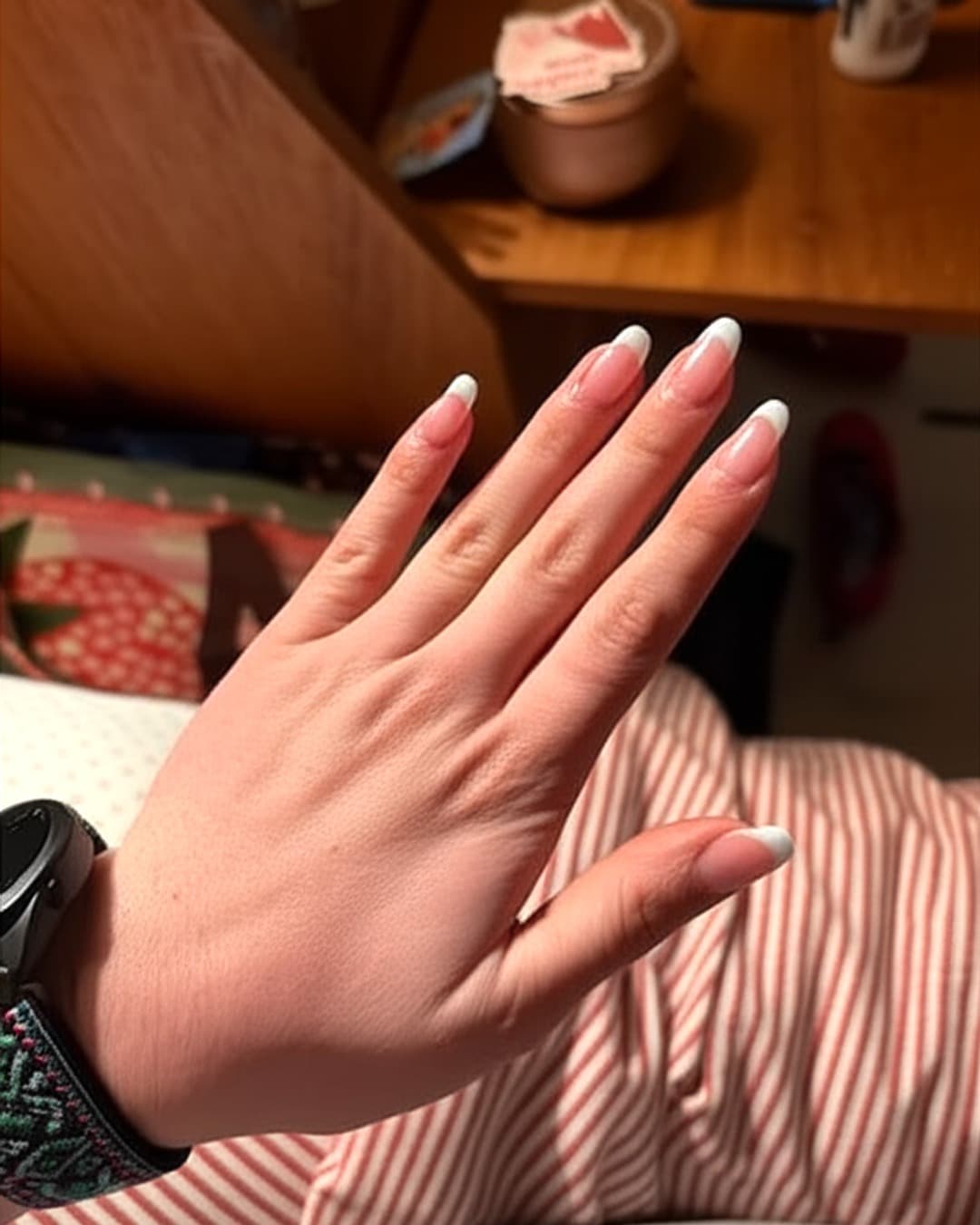
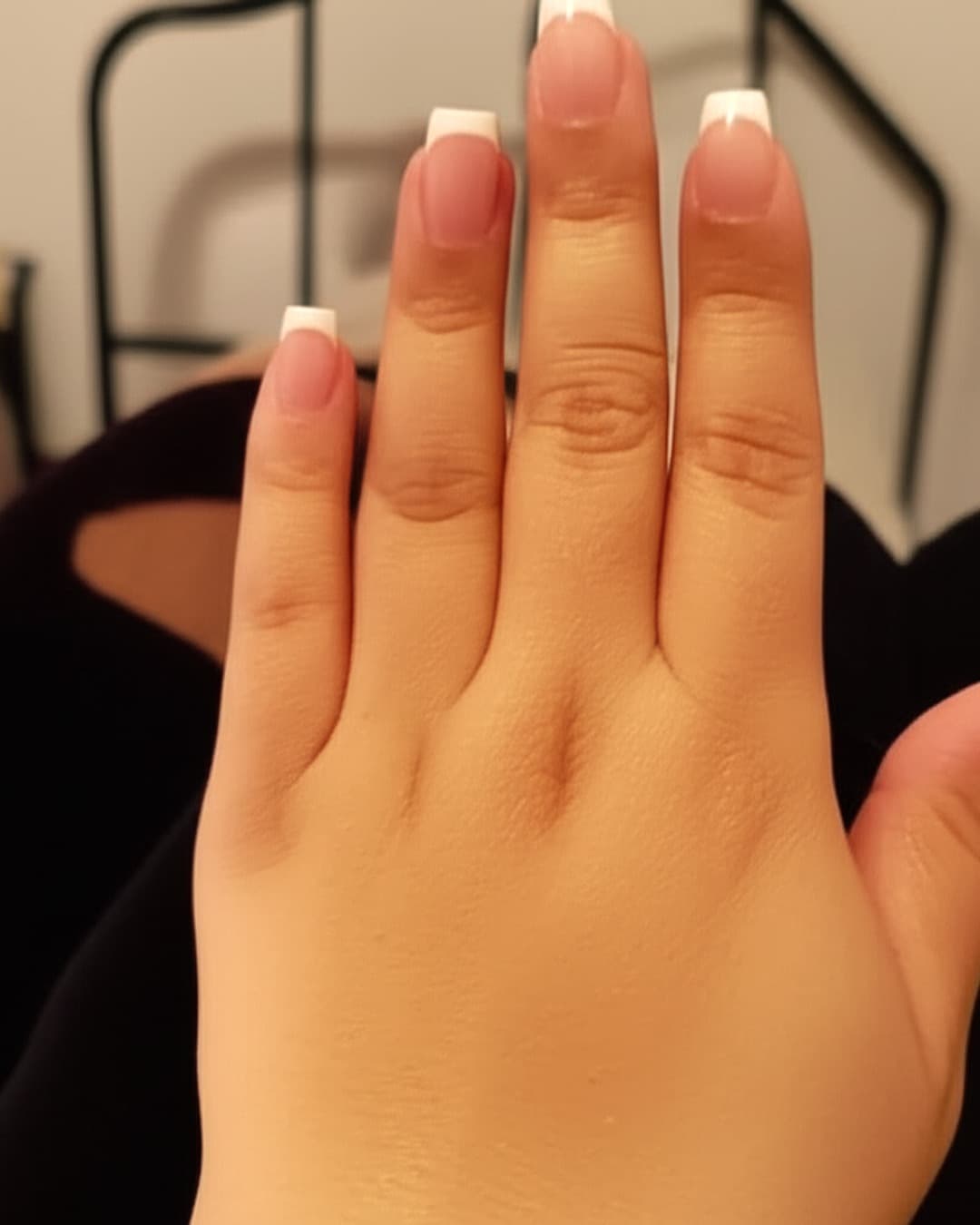
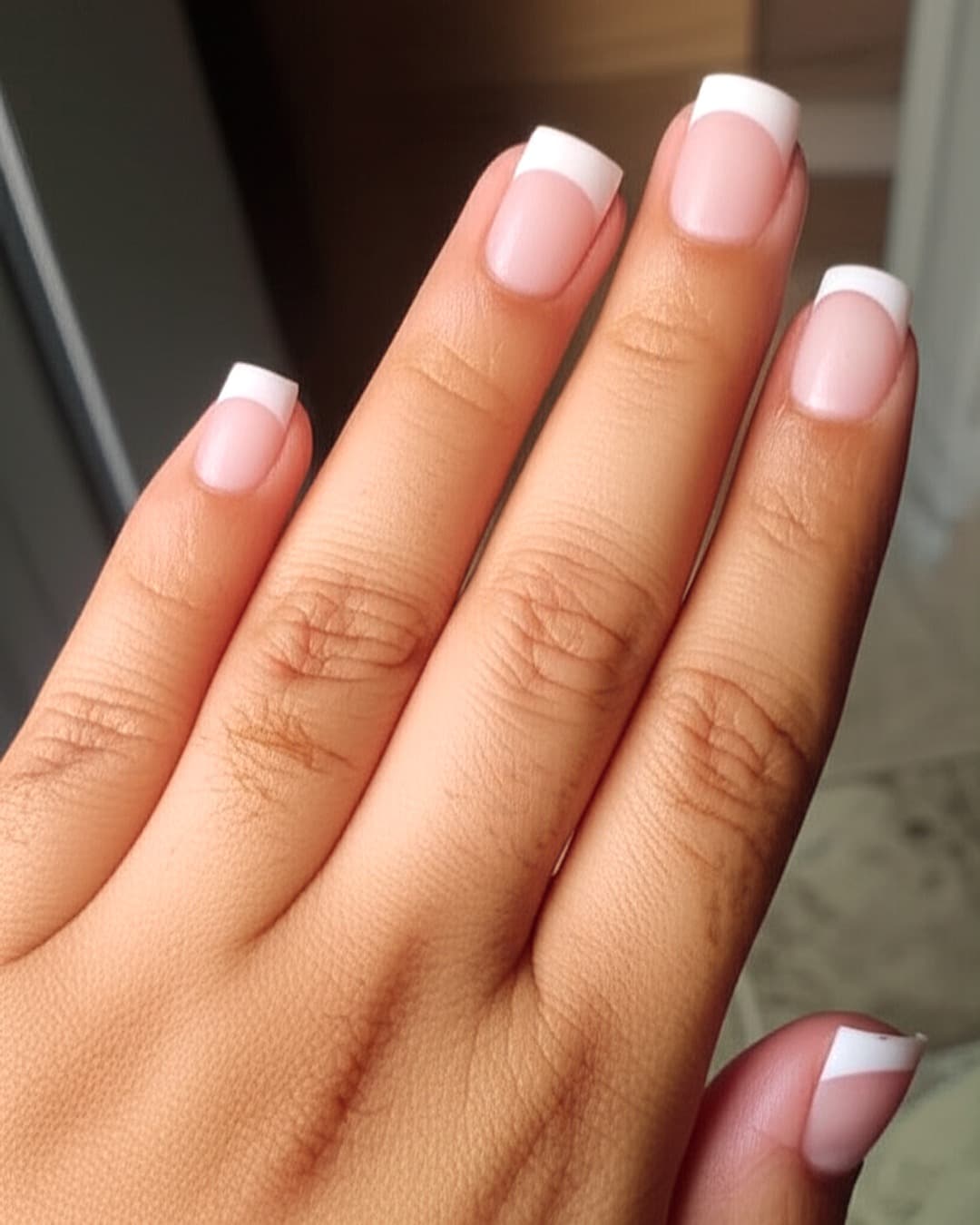
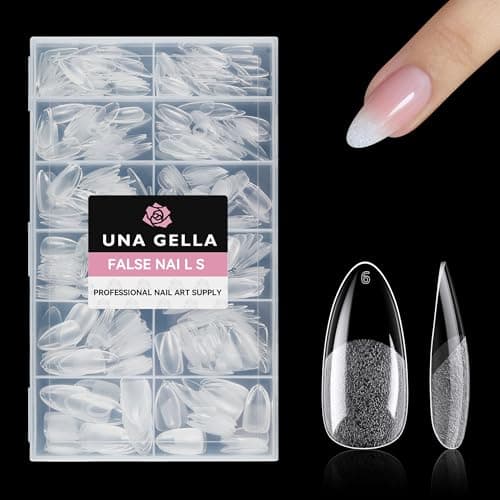
Medium square Frenches for hands and matching toenails in one box, with 48 jelly adhesive tabs — the only set here that covers a full French pedicure.
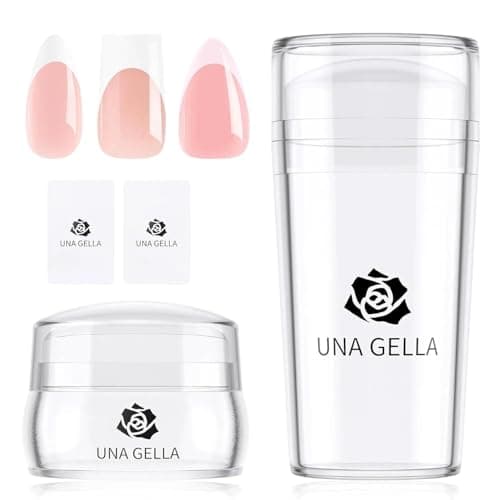
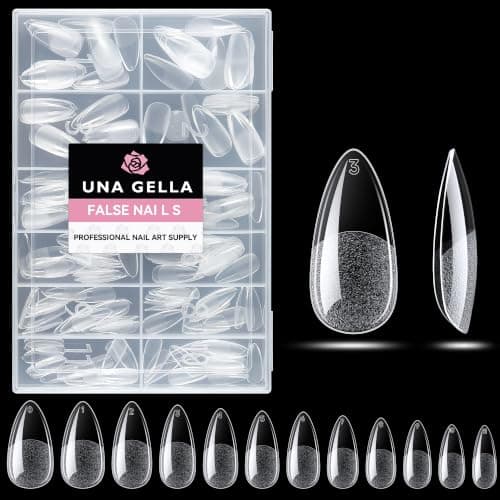
Shop on AmazonTwo stamper sizes, one for fingers and one small enough for toes — the only stamper here that covers a French pedicure.
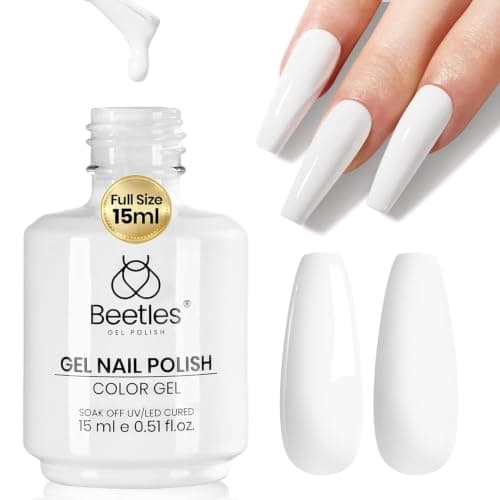
Shop on AmazonThe default one-coat white for tip lines — rank 200 across the whole nail category, and opacity is everything on a French tip.
Shop on AmazonThe two-pack of the glassy seal — chrome prerequisite and everyday finisher.
Shop on AmazonProduct prices and availability are accurate as of October 17, 2026 and are subject to change. Any price and availability information displayed on Amazon at the time of purchase will apply. As an Amazon Associate we earn from qualifying purchases. Star ratings reflect Amazon customer reviews at the time of our last check.
Toenails grow straight across, which is why square is the low-effort shape: you are mostly cleaning up what is already there. File straight across the free edge, in one direction, then take the two corners off with a single light stroke each so they do not catch on socks. Do not round the corners further than that. Rounding into the side walls is one of the ways an ingrown edge starts on a big toe, and it also ruins the square French, because the white tip then has to curve where the nail does not.
Leave a little length. A square French needs an edge to sit on; a toenail filed down to the pad has nowhere for the white to go. On the small toes, where there is often only a few millimetres of nail, the white will cover most of the nail. That is normal, and it looks right in a pedicure in a way it never would on a hand.
Everything that makes a fingernail French last matters twice as much on a toe, because you will not redo it next week.
Push back the cuticles — toenail cuticles are thicker and grow over the plate faster, and polish over cuticle lifts within days. Buff the shine off the whole nail lightly. Wipe every nail with alcohol, then keep the feet off the floor: a dehydrated nail that touches a bathroom floor is not dehydrated any more. Toe separators are worth the two dollars; they keep the small toes from smearing each other's tips, which is the pedicure-specific failure nobody warns you about.
A sheer pink or a milky nude, one or two thin coats. The undertone logic is the same as for hands and the nude bases page sorts the options, but there is one pedicure-specific point: feet are usually a shade darker and warmer than hands, so the nude that disappears on your fingers can read pink on your toes. Paint one toe, look at it in daylight, then do the other nine.
This is where a pedicure French differs most from a manicure, and the difference is proportion. On a fingernail a 1–2 mm tip is elegant; on a toenail it disappears. The white on a big toe should cover roughly the top quarter of the nail, and the line should be straight or very nearly — a deep smile line on a toe looks like a mistake, because the eye expects the nail's straight edge.
Method, in order:
If freehand is not going to happen on a foot — most people cannot reach comfortably — a French stamper with a small head does the small toes well, and the guide-sticker method works better on toes than fingers because the nail is flatter. The guides and stamps category has both; the Una Gella two-size stamper is the one sold with a toe-sized head.
The big toe gets the attention and the four small toes get a bar of white and a hope. They deserve a plan, because they are what makes a pedicure look finished or not from the angle everyone actually sees — looking down.
The second and third toes usually have enough nail for a thin straight tip, drawn the same way as the big toe at about half the width. The fourth and fifth often have a nail only a few millimetres long, and on those the sensible move is to paint most or all of the nail white and let the base show only at the cuticle. From standing height, four small white bars in a row read as a French; four attempts at a pink base with a hairline of white read as unpainted.
Two practical notes. The small toes sit lower than the big toe, so a lamp cures them from a worse angle — give them a second cure with the foot turned outward. And they smear each other: separators, or a cotton pad wedged between them, until the top coat is dry.
A gel pedicure that has grown out is removed the same way as a manicure, but toenails are thicker and the gel has been on for six weeks, so allow longer. File the top coat through to dull it, acetone on a cotton pad under foil on each toe, fifteen minutes, then lift the softened gel with an orange stick. Do not scrape — a toenail that has been under gel for six weeks is dry, and scraping thins it. Cuticle oil for a few days before the next set is the difference between a nail that takes the next French cleanly and one that lifts at the edge.
Gel wins on feet more clearly than on hands. Toenails grow slowly and take less knock, so a gel French pedicure often lasts four to six weeks and ends because of the grow-out gap rather than damage. Regular polish lasts two to three weeks with a top coat refresh, and it is the right choice for a one-off — a wedding, a holiday — where a soak-off in six weeks is not something you want to think about.
If you use gel, the lamp needs to fit a foot; most hand lamps do, one foot at a time, with the small toes needing an extra cure from the side because they sit lower. The white gel polish category has the one-coat whites; for polish, the regular polish page runs through the no-lamp bottles in order.
Two things end a French pedicure early, and they are opposites.
Summer: sandals, pool chlorine, sun. Chlorine dulls the white and, over a few weeks, yellows regular polish; sun does the same. Gel resists both better. A refresh coat of top coat once a week through sandal season is the pedicure habit that keeps a square French looking new.
Socks and closed shoes: the tip does not chip, but the pressure of a shoe on the big toe over weeks can lift a gel at the free edge if it was not capped, and the nail underneath grows a visible gap at the cuticle. The fix is the same — cap the edge — and accepting that at four weeks the gap will show even on a perfect pedicure.
A salon square French pedicure is one of the better-value salon services, because the technician does the reach-and-angle work that makes home pedicures awkward, and gel on toes lasts long enough that the visit is a six-weekly one. The wording is simple: "square French pedicure, gel, white tip, straight line." Add "thin" or "thick" for the tip if you have a preference; most salons default to a medium bar on the big toe.
At home, the thing that decides the result is not skill but position. Sit on the floor with your back against the sofa, foot flat on a towel, and the nail is at a paintable angle; sitting on the sofa with your foot on your knee, it is not. Have the white, a clean-up brush and cleanser within reach before you start, because standing up to fetch something is how tips get smudged.
The French tip toe nails guide covers the pedicure French across every shape and colour, and how much French tip nails cost includes what a pedicure adds. For the matching manicure, square French tip nails is the hand version of this shape; white French tip nails has the white tip on every shape. For the reasons to keep toenails square rather than rounded, the American Academy of Dermatology's nail care basics cover the ingrown-edge problem. Everything else starts from the french tip nails homepage.
A square French pedicure lasts longer than the equivalent on hands, and most of what shortens it is mechanical rather than cosmetic. Closed shoes press the free edge back against the nail bed, which is what lifts a tip at the corners first. Rotating between shoe styles, rather than wearing the same closed pair daily, does more for longevity than any top coat.
Refresh the top coat at around the two-week mark and keep the edge filed square rather than letting the corners round off as they grow. A square pedicure that loses its corners stops reading as square within a fortnight, and at that point the tip band no longer lines up with the shape underneath it.
What French tip shoppers are buying this week, across every category.
Is a square french tip pedicure better than round?
For most toes, yes. Toenails grow straight across, so a square edge follows the natural shape and needs the least filing; rounding the corners of a big toenail is also one of the ways ingrown edges start. A very slightly softened square — the corners just taken off — is what most salons actually do.
How thick should the white tip be on a pedicure?
Thicker than on fingernails, in proportion. Toenails are shorter and seen from further away, so a hairline tip disappears. On the big toe a tip that covers roughly the top quarter of the nail reads correctly; on the small toes the white is often most of the nail, and that is fine.
How long does a french tip pedicure last?
In gel, four to six weeks — toenails grow slowly and take less impact than fingernails. In regular polish, two to three weeks before the tip shows wear, longer if the feet are mostly in socks. The thing that ends a pedicure is usually the grow-out gap at the cuticle, not chipping.
Square French Tip Nails
square french tip nails
Almond French Tip Nails
almond french tip nails
Black French Tip Nails
black french tip nails
Blue French Tip Nails
blue french tip nails
Brown French Tip Nails
brown french tip nails
Burgundy French Tip Nails
burgundy french tip nails
Chrome Coffin French Tip Nails
chrome coffin french tip nails
Chrome French Tip Nails
chrome french tip nails