BTArtbox
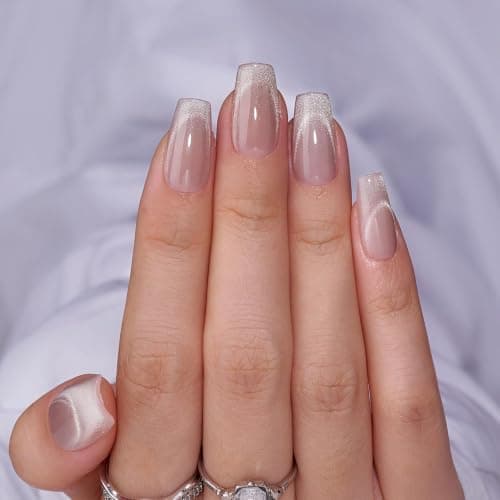
BTArtbox Short Coffin Cat-Eye French
$18.974.4 (7,861)
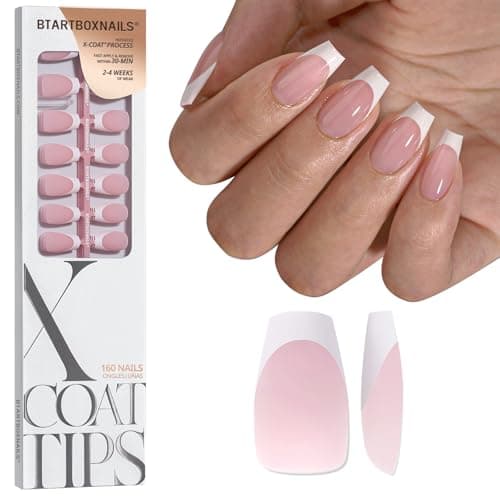
The press-on coffinThe coffin French in press-on form, with a cat-eye shimmer tip.
Shop on AmazonFrench tip nails category
coffin french tip nails
Coffin french tip nails, from the classic white tip to chrome and micro — how deep the tip sits on a tapered nail, and which length survives.
Coffin french tip nails are the version of the French that gets photographed most and worn longest — tapered sides, a flat tip, and a white or coloured band that sits on that flat edge like a bar. Also called ballerina nails, they are a modern, trend-forward take on the French manicure. The coffin shape tapers in at the sides and ends with a flat tip, which makes French tips look crisp, graphic, and “salon fresh.” If you like statement nails but still want a clean, structured design, coffin French tips are a strong choice.
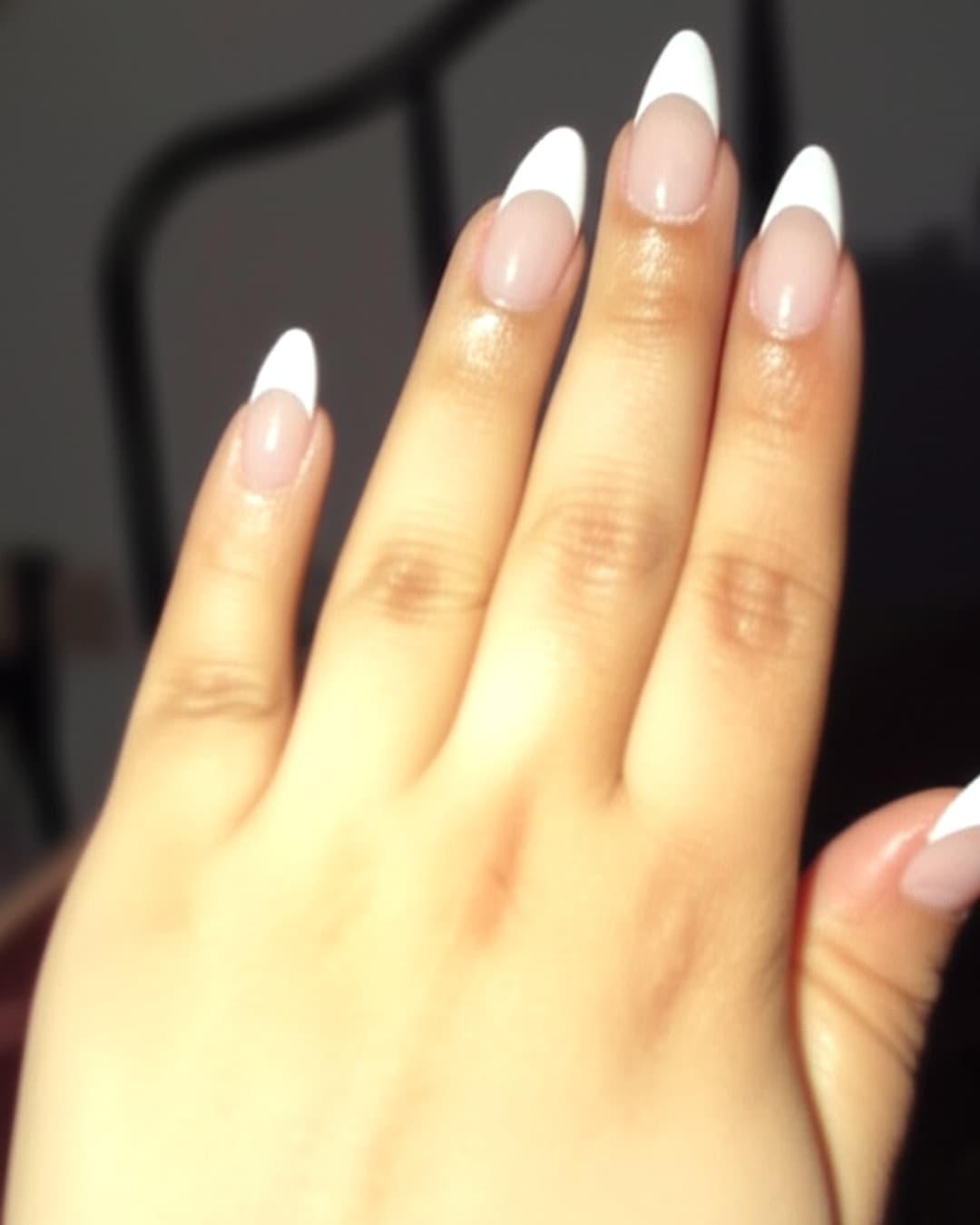
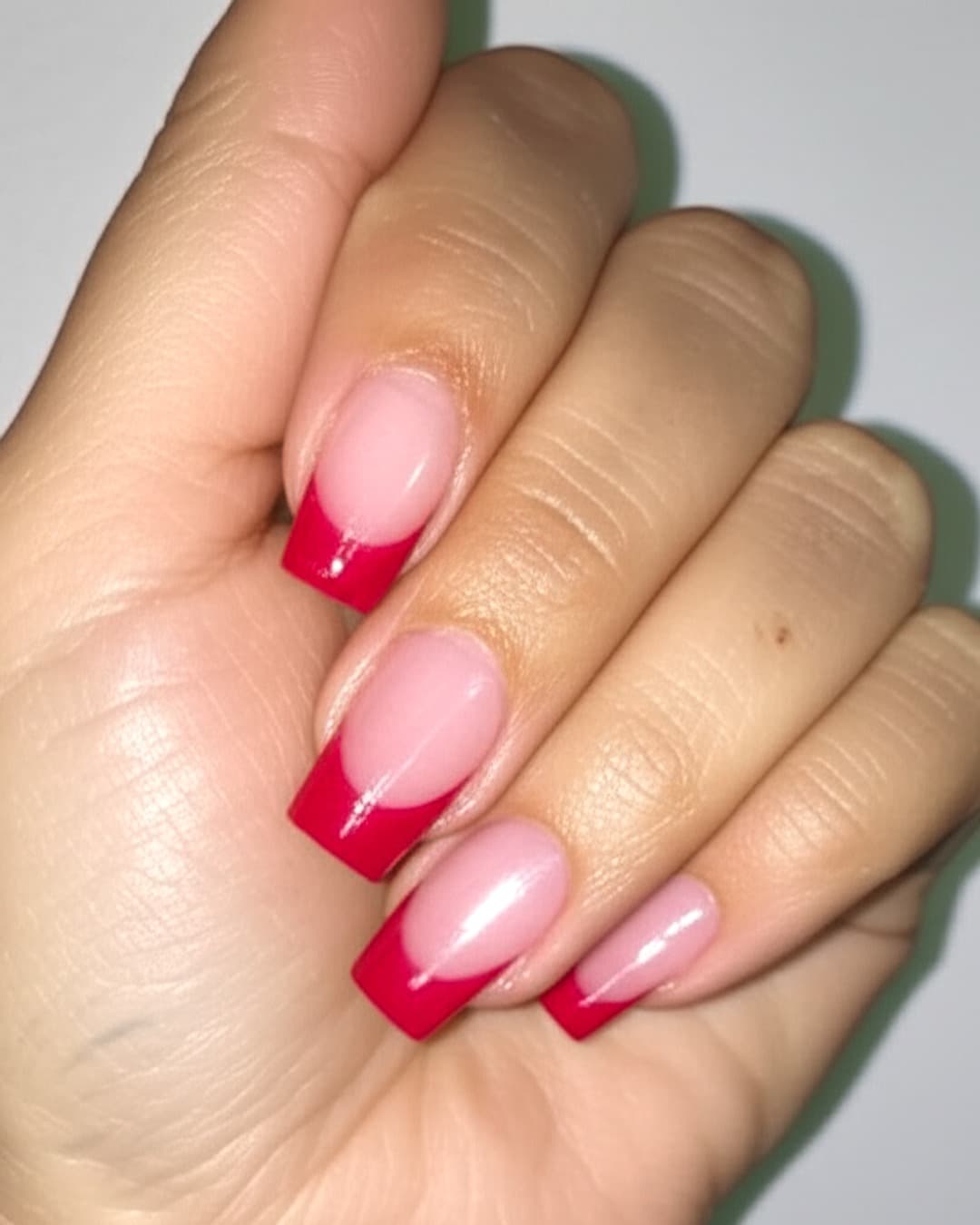
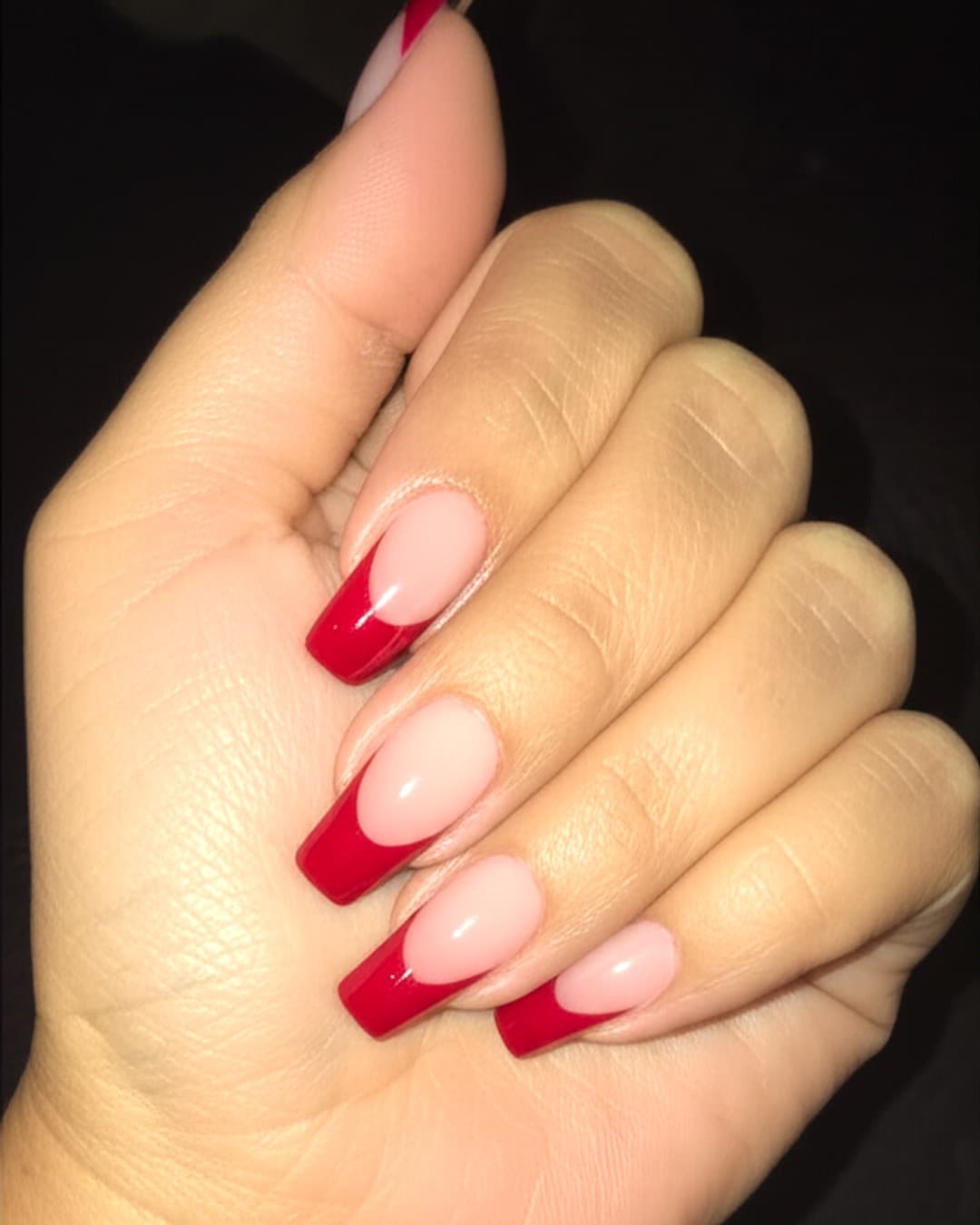
The coffin French in press-on form, with a cat-eye shimmer tip.
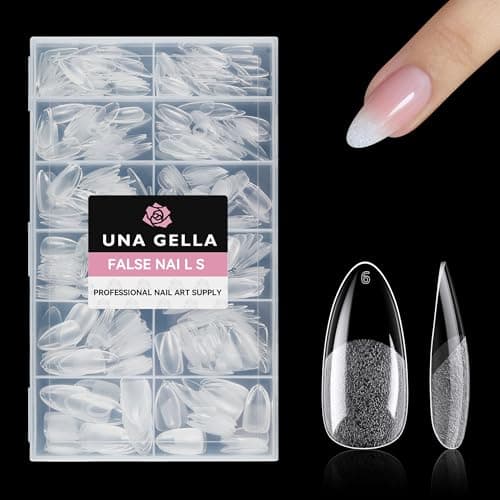
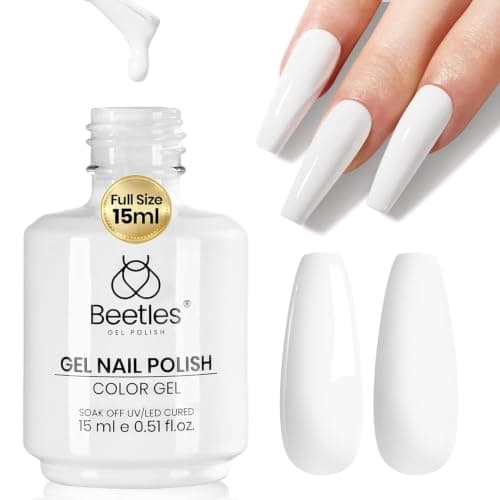
Shop on AmazonPre-built white French coffin extensions — salon shape without the salon build.
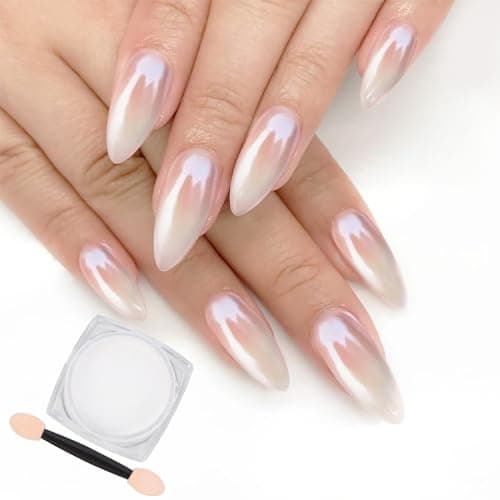
Shop on AmazonThe single jar that reads most as a modern French — pearl over white is the icy default.
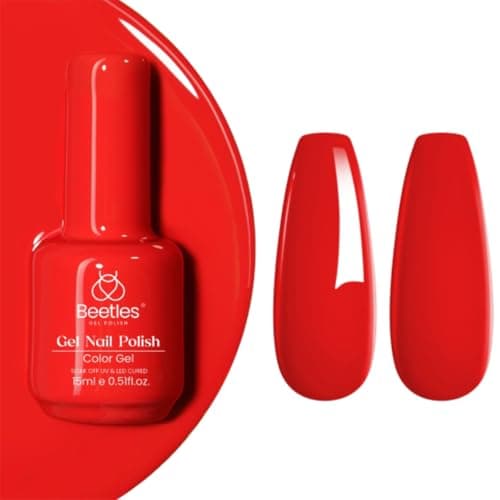
Shop on AmazonA true bright scarlet with one-coat coverage — the classic red tip and the summer coral stand-in.
Shop on AmazonProduct prices and availability are accurate as of October 17, 2026 and are subject to change. Any price and availability information displayed on Amazon at the time of purchase will apply. As an Amazon Associate we earn from qualifying purchases. Star ratings reflect Amazon customer reviews at the time of our last check.
Because coffin nails have a flat edge, the tip has a straight bar to sit on — and several variations that only work on this shape.
| Tip style | What it does on a coffin | Length it needs |
|---|---|---|
| Straight-edge French | Follows the flat tip for a sharp, graphic bar | Medium |
| Deep classic curve | The most dramatic French of any shape; the taper gives it room | Medium to long |
| V-French | Points down the centre, exaggerating the taper | Long |
| Side-French | An angled band for a slimmer look | Medium |
| Double French | Two thin lines, detail without clutter | Medium to long |
| Chrome or glitter over the tip | The wide flat band gives a finish clean edges | Any |
Classic white on a nude base is the baseline — see white French tips — and the same bar carries black, pink, chrome and glitter better than any other shape does.
Try this phrasing:
Coffin — also called ballerina — is tapered sides with a squared-off tip, and it demands a specific approach to the smile line.
The band should be wider than on almond. Coffin nails are usually long, and a thin band on a long nail looks lost. Where a short almond wants one millimetre, a medium coffin carries three comfortably.
Go deep with the curve. Coffin is the shape that carries the most dramatic smile line of any silhouette. The taper gives the curve room to travel and the flat tip gives it a strong edge to sit against — this is the one shape where a genuinely deep French looks right rather than heavy.
Follow the taper on the way in, then square off. The band narrows as the sides narrow, then meets the flat tip. Drawing a purely horizontal band across a coffin nail leaves more colour at the outer edges, which is the most common coffin mistake.
Check symmetry from directly above. Coffin has two tapers and a flat edge — three lines that all have to agree. Any one being off is visible.
This is the practical reality: coffin does not work on short natural nails. The taper needs somewhere to go, and without a few millimetres past the fingertip you get a shape that reads as an accident.
Most coffin sets are acrylic or gel extensions, which is why coffin French tips cost more than almost any other version — you are paying for a full set plus a shape upgrade plus the French. Expect the upper end of the ranges in how much are French tip nails.
If you want the look without extensions, a medium almond gets you most of the elongating effect at a fraction of the cost and maintenance.
Sculpted. Acrylic or hard gel over a coffin tip, the French painted or cut in afterwards. The strongest version and the only sensible route to a long coffin — see French tip acrylic nails.
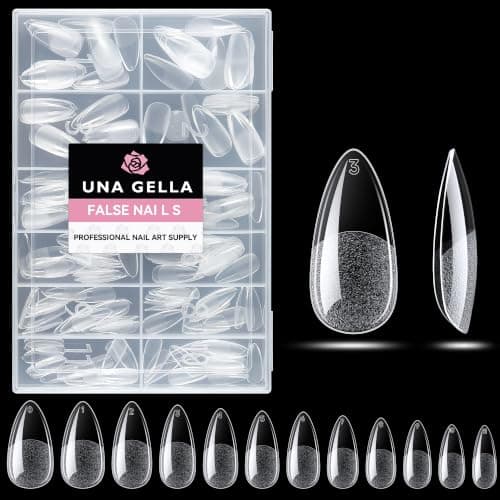
Full-cover soft-gel tips. A pre-shaped coffin tip, often with the French already painted, glued on with gel adhesive and cured. Lighter and faster, and the line is perfectly uniform. The nail tips category has the coffin sets, including the pre-primed X-Coat kind that cure gel glue through the tip.
Press-ons. A finished coffin French in a box — the BTArtbox short coffin and KISS's coffin set in the press-on French tip nails category. The fastest, the least durable, and the right answer for an occasion. On press-ons the coffin corners are the pop-off point; press them hardest.
Every coffin French chips at the corners first, and it is not the polish. The corners of the flat tip extend past the finger pad with no support beneath them, and because the sides have tapered in, there is less nail behind each corner than on a square nail of the same length. Every knock lands there as a lever, and on a white tip the chip shows as a bright notch.
Three things help, in order of effect: cap the free edge with top coat and give each corner a second pass; take one light file stroke at forty-five degrees across each corner, which removes the sharpest point without changing the shape to the eye; and choose medium over long, because long coffins look best and last worst.
The flat tip gives the colour band a clean rectangle to sit in — the same reason square works well — while the taper adds the elongation square lacks. It is genuinely the best of both, which is why it has dominated for several seasons.
It also carries coloured and chrome tips better than any other shape, because the generous band gives a colour room to read properly.
Coffin's weak point is the corners of the flat tip. They catch, and because the nail is tapered there is less material supporting them than on a square nail of the same length.
Fills every two to three weeks are the norm, and each fill means the smile line is redrawn — a recurring cost worth factoring in. Between appointments, cuticle oil daily and avoid using the nails as tools, which sounds obvious and is the main cause of coffin breakage.
The two words are used interchangeably in most salons, and for practical purposes they are the same shape. Where people do distinguish them, ballerina implies a slightly softer taper and a narrower flat tip — closer to the toe of a ballet shoe — while coffin implies a more angular taper and a wider flat edge.
Ask for either and you will get the same thing almost everywhere. If you have a strong preference, describe the tip width rather than relying on the name.
Coffin is the shape that carries non-white tips best, and it is worth knowing why: the generous band width gives a colour enough area to read as a colour rather than as a line.
A thin black line on a short round nail reads as a graphic detail. The same black on a medium coffin reads as a deliberate colour block. Neither is better, but they are different effects, and coffin is the shape to choose if you want the tip colour to be the point.
Chrome behaves the same way — the flat tip gives a mirror finish clean edges to reflect from, which is why chrome coffin tips photograph so well.
Worth being honest about the practical cost, because it is higher than any other shape except stiletto.
Typing is slower for the first week. Contact lenses, buttons, zips and jar lids all become two-handed operations. And the flat tip's corners catch on fabric in a way that rounded shapes do not.
None of this is a reason to avoid coffin — plenty of people wear it permanently and adapt within days. But it is a genuine adjustment rather than a cosmetic choice, and it is worth trying a medium length before committing to long.
Short coffin is barely coffin. Without length the taper cannot establish itself and the flat tip dominates, producing something closer to a narrow square. If your nails are short, almond gives you the elongation you were after.
Medium coffin is the version most people should choose. The shape reads clearly, it survives daily life, and it is the length at which a French band looks proportionate rather than either lost or overwhelming.
Long coffin is the editorial version. Striking, genuinely restrictive, and it needs a strong structural build to survive — this is where an experienced technician matters most.
The squared-off tip is what distinguishes coffin from almond, and it is the detail most often executed badly.
The flat edge should be narrower than you think — roughly a third of the width of the nail at its widest point. A wide flat tip makes the shape read as a tapered square rather than a coffin.
It also needs to be genuinely flat and genuinely perpendicular. A tip that slopes slightly, or that is subtly rounded, reads as an unfinished almond. Check by looking straight down the length of the finger.
Because the band is wide, coffin supports colours that would overwhelm a smaller nail.
Deep burgundy, forest and navy all read as rich rather than heavy. Chrome has room to reflect properly. Two-tone tips — a colour with a thin contrasting outline — actually fit, where on a short nail they would merge into a single thick line.
The one thing to be careful with is very pale tips on a long coffin nail. Without contrast, a long nail with a barely-there tip can look unfinished rather than subtle.
Whatever the style, the nail plate has to survive it: the American Academy of Dermatology's tips for healthy nails cover the soaking, filing and oiling habits every page on this site assumes.
Almond French tips for the tapered shape that works on natural nails, and square French tips for the flat edge without the taper. Chrome coffin French tips for the finish this shape carries best. French tip nail shapes compares all seven; how much are French tip nails has what a coffin set adds to the bill. Home from french tip nails.
What French tip shoppers are buying this week, across every category.
What are coffin French tip nails?
Coffin (also called ballerina) nails taper on the sides with a flat tip. A coffin French tip keeps that shape and adds a colored or white tip design.
Do coffin French tips need extensions?
Usually, yes. Coffin shape is easiest to achieve with acrylic or gel extensions unless your natural nails are already long and strong.
What tip style looks best on coffin nails?
Thin-to-medium tips look sleek. V-French and side-French designs are also popular because they emphasize the tapered shape.
Are coffin French tips high maintenance?
Longer coffin sets can snag more and may need fills every 2–3 weeks. Medium coffin is a good balance if you want the look without too much upkeep.
What colors look best for coffin French tips?
White is classic, black feels edgy, and chrome or glitter tips look ultra-trendy on coffin shapes.
Coffin or ballerina — which should I ask for?
Either; salons treat them as the same shape. Where a technician does distinguish, ballerina means a slightly softer taper and a narrower flat tip, and coffin a more angular taper and a wider edge. If you care, describe the width of the flat tip rather than relying on the name.
Chrome Coffin French Tip Nails
chrome coffin french tip nails
Short Coffin French Tip Nails
short coffin french tip nails
Almond French Tip Nails
almond french tip nails
Black French Tip Nails
black french tip nails
Blue French Tip Nails
blue french tip nails
Brown French Tip Nails
brown french tip nails
Burgundy French Tip Nails
burgundy french tip nails
Chrome French Tip Nails
chrome french tip nails