Artdone
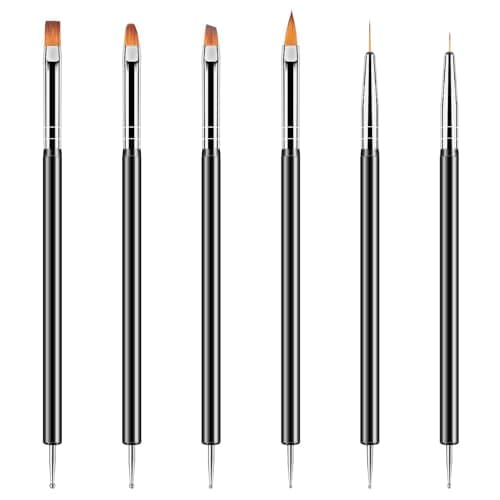
Artdone Dotting Tools, 6pc
$3.994.6 (2,399)
The dotting toolsDots become hearts, bows and flowers — the entire cute-French toolkit in one cheap set.
Shop on AmazonFrench tip nails category
cute french tip nails
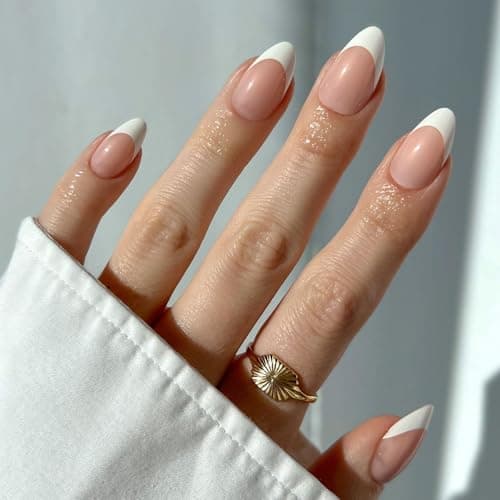
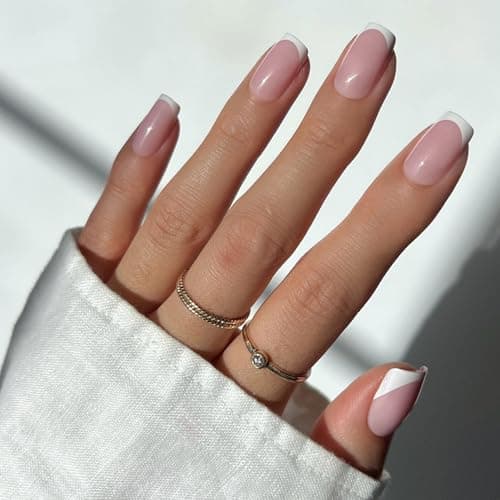
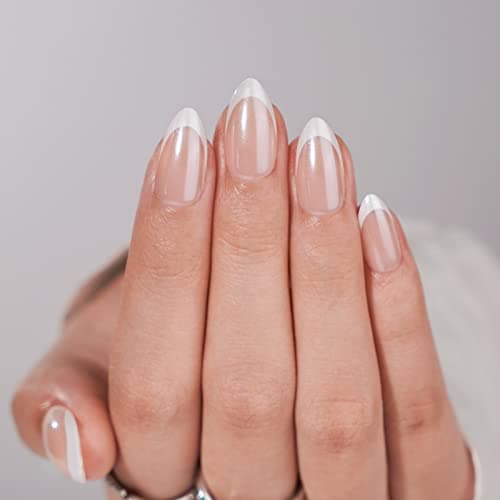
Cute french tip nails that stay clean: hearts, bows and tiny dots placed so the tip still reads as a French, not a cluttered nail-art set.
Cute french tip nails are the manicure most often requested for someone else — a friend, a sister, a birthday — and the one most often overdone. Done right, they keep the clean French manicure structure but add softness and personality. Think micro tips in pink or pastel shades, tiny hearts, and minimal accents that look playful without becoming cluttered. “Cute” looks best when it’s intentional and restrained.
Dots become hearts, bows and flowers — the entire cute-French toolkit in one cheap set.
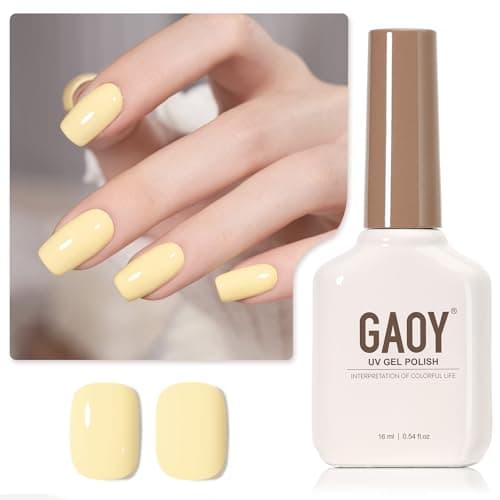
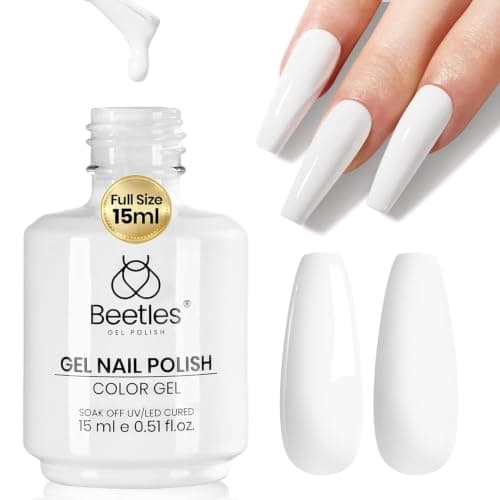
Shop on AmazonThe softer pastel butter — GAOY's self-levelling helps yellow's streak problem.
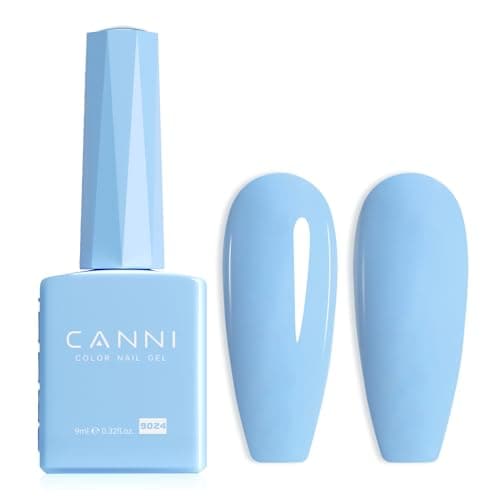
Shop on AmazonThe pale-blue single for spring tips — over a white underlayer it reads true in one pass.
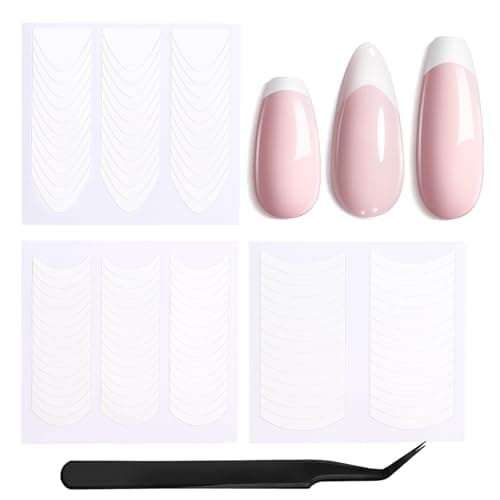
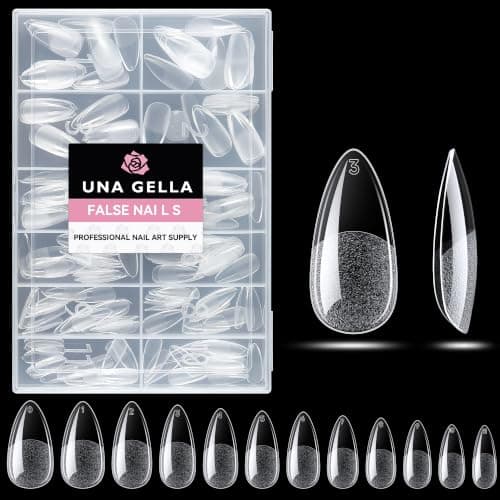
Shop on AmazonThe widest curve range in a sticker pack — and curve fit matters more than sheet count.
Shop on AmazonProduct prices and availability are accurate as of October 17, 2026 and are subject to change. Any price and availability information displayed on Amazon at the time of purchase will apply. As an Amazon Associate we earn from qualifying purchases. Star ratings reflect Amazon customer reviews at the time of our last check.
| Look | Tools | Difficulty | Holds up |
|---|---|---|---|
| Pink or pastel micro tip on a sheer base | A liner white for the underlayer, the pastel, a liner brush | Easy | Three weeks on gel |
| One tiny heart on the ring finger | A dotting tool, one colour | Easy | Fades around day ten; two top coats help |
| Thin glitter outline along the smile line | A fine liner, a fine-particle glitter | Medium | Two weeks |
| Wavy smile line instead of a curve | A liner brush, nothing else | Medium | Three weeks |
| Tiny bow on one accent nail | A fine liner, two colours | Harder | Ten days |
The first row is the one to start with, and the one most of the photographs are. The pink and pastel pages cover the colours; the glitter and ombré pages cover the two softer finishes.
Keep it easy to execute:
"Cute" is doing real work as a category here, and it comes down to three levers rather than any single design.
Colour. Soft, warm and slightly playful — pastels, milky pinks, butter yellow, baby blue. Anything muted or severe reads as elegant instead.
Scale. Small elements. A tiny heart on one nail is cute; a large one is nail art. The restraint is what keeps it from tipping into costume.
Placement. One or two accent nails, not ten. The contrast between plain and decorated is where the charm sits.
Miss any of the three and you get something that is either too plain to be cute or too busy to be wearable.
Tiny hearts at the tip, or replacing the smile line on a single nail. The most requested cute French detail by a distance.
Mixed pastel tips — a different soft colour on each finger over a shared base. Cohesive because the base ties them together.
Micro-dots along the smile line, in white or gold.
Tiny bows on one accent nail. Very of-the-moment, and best kept to a single finger.
Wavy smile lines instead of a clean curve. Playful without adding any element at all — you are just drawing a different shape.
Star or flower accents at the tip corner rather than centred, which reads more casual.
The line is real, and three things keep you on the right side of it.
Keep the base grown-up. A sheer nude or milky pink base under a playful tip is what stops it reading as a children's manicure. A bright base plus a bright detail is too much.
One motif, not several. Hearts or bows or dots. Combining them is the most common mistake.
Keep the scale small. If a detail is visible from across a room, it is probably too big.
The details are more approachable than they look, because they are small — and small forgives imprecision in a way a long clean line does not.
A dotting tool or the end of a bobby pin makes dots. A tiny heart is two dots side by side with a fine line pulled down from between them. A bow is two small triangles meeting at a point.
The hard part is still the underlying French, not the decoration. Get the smile line right first and add the detail second — a cute motif on a wobbly tip draws attention to the wobble.
All three go on after the French tip is cured and before the top coat, and all three take two coats of top coat rather than one, because they sit proud of the surface. The dotting tools and fine liners are in the brushes category.
Cute French tips work at any length, but they are particularly good on short nails, because small details are proportionate to a small plate. On long nails a tiny heart can look lost.
They are also the most forgiving version to attempt on someone else — a child, a friend, a birthday — since the informality means precision matters less.
The category shifts noticeably through the year, which is part of what keeps it interesting.
Spring is pastels and tiny florals — the most natural home for cute French tips.
Summer brings brighter accents, small fruit motifs and wavy lines in warm colours.
Autumn goes warmer and quieter: tiny stars, small bows in caramel or rust rather than pastel.
Winter is snowflakes, tiny hearts around Valentine's, and fine glitter accents. See winter French tips.
The motif changes; the three rules — soft colour, small scale, limited placement — stay the same.
Small painted details wear faster than the tip band underneath them, because they sit on the surface rather than at the edge and get rubbed rather than knocked.
A dot or a heart usually starts fading around day eight to ten on a gel set, while the French itself still looks fine. Two coats of top coat over the detail helps considerably — the first sinks around the raised edge, the second levels it.
If you want the detail to last the full three weeks, put it on a finger that sees less friction. The ring finger is the traditional accent nail partly for this reason.
Worth a note, since this is a common reason people search for the style.
Regular polish rather than gel, because removal is far gentler and no lamp is involved. Keep nails short and the details large enough to survive imprecise application — a single dot or a wavy line rather than a tiny heart. Water-based peel-off polishes are the easiest option for young children, though they wear quickly. The full age-by-age version, including what is and is not appropriate under twelve, is on the French tips for kids page.
Short round and oval are the natural home. Small details are proportionate to a small plate, and the soft shape reinforces the informality.
Squoval works well and is the most practical everyday option.
Almond shifts the register — the same tiny heart on an almond nail reads more elegant than cute, which may or may not be what you want.
Long coffin or stiletto fights the category. Small sweet details on a dramatic shape produces a mixed message; if you have long sculpted nails, French tips with design is the better fit.
Cute French tips are the most common request when painting someone else's nails — a friend, a sibling, a child — and the constraints are different from doing your own.
You have better visibility and a better angle on someone else's hand than your own, so the smile line is usually easier. What is harder is that they will move. Rest their hand on a flat surface, work one nail at a time, and use regular polish rather than gel so a mistake wipes away without curing.
Keep the design simple enough to repeat ten times consistently. A motif you can do once beautifully and nine times badly looks worse than a plain tip.
If you want one combination that reliably lands: a milky pink base with a soft white or pastel tip, and a single tiny detail on one nail.
That is the formula underneath most of the cute French imagery that circulates, and it works because the base is grown-up, the tip is soft, and the detail is restrained.
If freehand details are beyond you, three routes give the same effect with no artistic skill.
Nail stickers and decals sit over a cured tip and are sealed with top coat. The range of tiny hearts, bows and stars is enormous and they cost very little.
A dotting tool makes perfect dots, which is enough for most cute designs — dots become hearts, flowers and polka patterns.
Press-on sets with the design already applied. See the best press-on French tips for the plain versions; decorated sets are widely available in the same brands.
None of these are a compromise. A well-placed sticker on a clean French tip looks better than a shakily hand-painted heart.
Cute French tips can work in most offices provided the detail is small and confined to one or two nails. A single tiny heart on a ring finger reads as personality; ten decorated nails reads as a different register entirely.
The safest version for a professional setting is a plain nude or milky French on eight nails with one subtle accent — which also has the practical benefit of being quick to remove if you change your mind.
One outside reference worth keeping: the American Academy of Dermatology's healthy nail tips, which say in plainer words what this site keeps repeating about removal and cuticle oil.
Pastel French tips for the colour palette and pink French tips for the most-used shade. French tips with design for the more elaborate end, and simple French tips for the plain version the accent sits next to. The press-on category has decorated sets for anyone who would rather not draw. Home from french tip nails.
What French tip shoppers are buying this week, across every category.
What makes French tips “cute”?
Usually it’s a soft color palette (pinks, pastels), tiny accents (hearts, stars), or playful tip shapes like micro tips and side-French designs.
Are cute French tips okay for short nails?
Yes—short nails look best with micro tips and small accents like a dot, heart, or tiny flower on one nail.
What are easy cute designs to ask for?
Micro-pink tips, a single heart accent, a thin glitter outline, or pastel tips are easy to communicate and widely available in salons.
How do I keep cute French tips from looking childish?
Keep the base neutral, limit the number of accents, and choose refined details (tiny icons, fine lines, minimal placement).
What colors are the most popular for cute French tips?
Pink and pastel shades are the most common, with occasional pops of baby blue or nude tips with tiny accents.
What is the easiest cute French tip to do at home?
A pink or pastel micro tip on a sheer base with a single dot on one nail. The tip is one thin stroke per nail and the dot is one press of a dotting tool, so the whole set is fifteen minutes and there is nothing on it that needs a steady hand.
Do cute French tips work for adults?
Yes, when the base is grown-up and the detail is small and on one or two nails. A sheer nude base with a soft pink tip and one tiny heart on a ring finger reads as personality in most offices; the same heart on all ten nails reads as a different register.
How long do the little details last?
Painted details sit on the surface and wear by rubbing, so a dot or heart usually starts fading around day eight to ten on a gel set while the tip is still fine. Two coats of top coat over the detail and putting it on the ring finger, which sees the least friction, gets it closer to the full three weeks.
Almond French Tip Nails
almond french tip nails
Black French Tip Nails
black french tip nails
Blue French Tip Nails
blue french tip nails
Brown French Tip Nails
brown french tip nails
Burgundy French Tip Nails
burgundy french tip nails
Chrome Coffin French Tip Nails
chrome coffin french tip nails
Chrome French Tip Nails
chrome french tip nails
Coffin French Tip Nails
coffin french tip nails