beetles Gel Polish
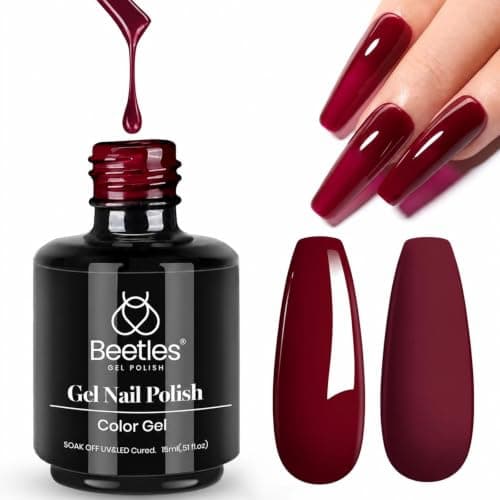
Beetles Oxblood Dark Burgundy
$5.664.4 (68,806)
The softer darkThe autumn tip in one bottle — deep, one-coat, reads rich in low light.
Shop on AmazonFrench tip nails category
winter french tip nails
Winter French tip nail ideas—cool tones, cozy neutrals, and festive finishes without going overboard.
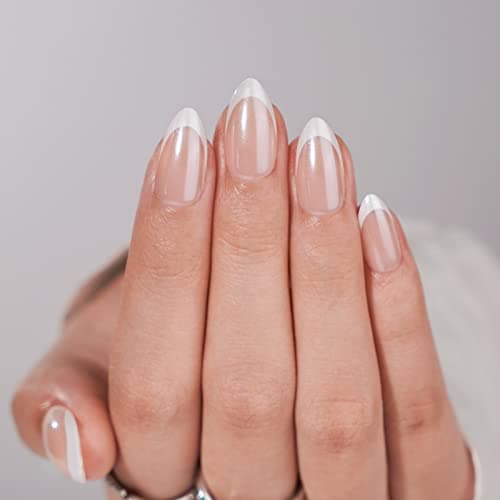
Winter french tip nails are the season's answer to flat light: deeper colours, and finishes that catch what little sun there is. They lean into cool tones, deeper shades, and finishes that look good in low light — glossy, chrome “icy,” or soft matte. The French silhouette keeps your manicure clean and wearable, while winter colors make it feel seasonal without needing full holiday nail art.
The autumn tip in one bottle — deep, one-coat, reads rich in low light.
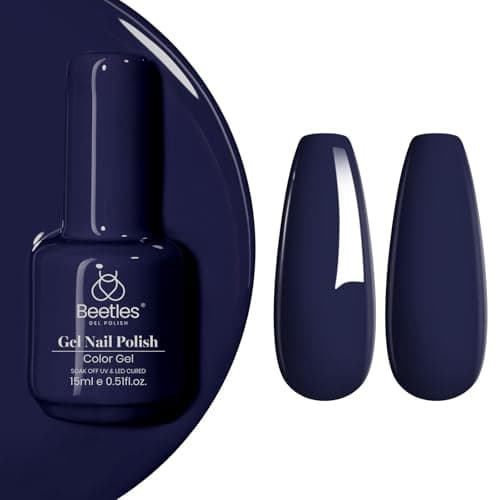
Shop on AmazonThe full-size navy — the deep-blue tip that reads as winter without being festive, and stays right through February.
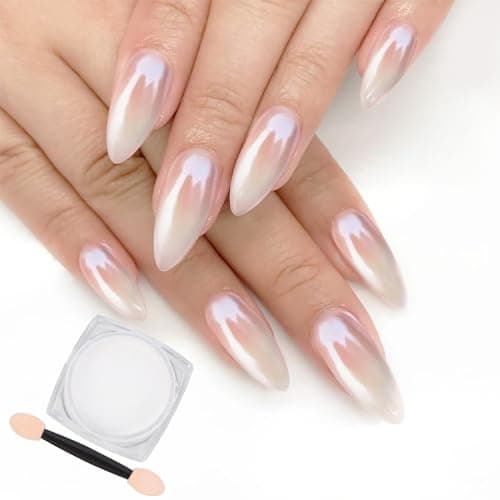
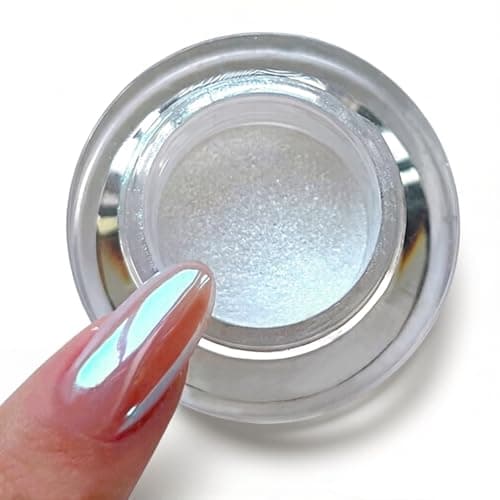
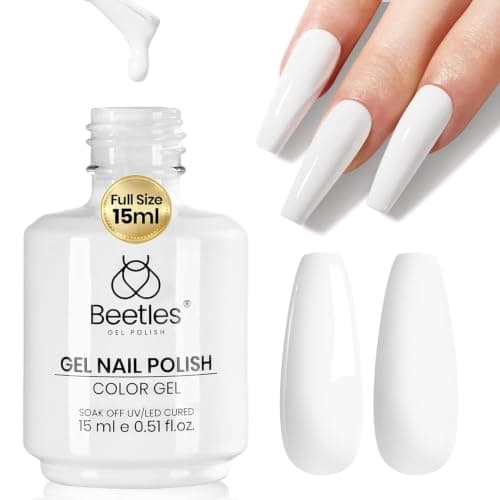
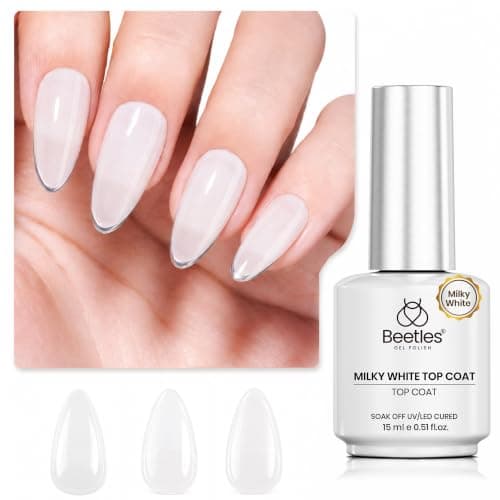
Shop on AmazonThe single jar that reads most as a modern French — pearl over white is the icy default.
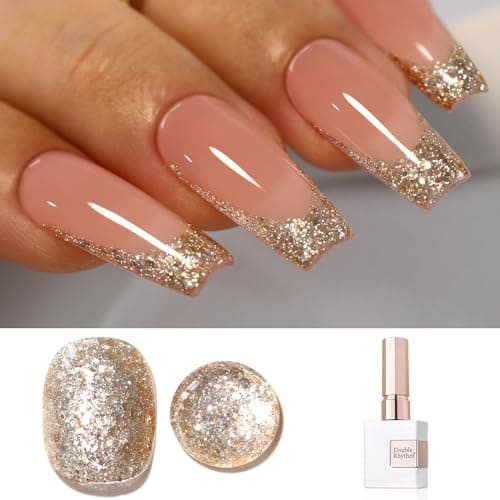
Shop on AmazonThe silver counterpart — fine-grade particles keep the smile line drawable.
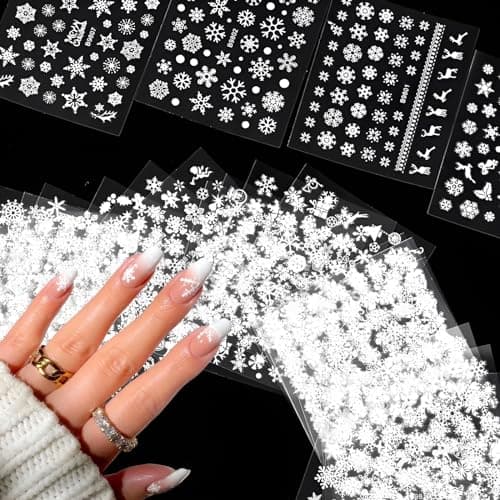
Shop on AmazonThirty sheets of white snowflakes and snowmen for the single accent nail this page allows — sealed under top coat, soaked off in ten minutes on January 2nd.
Shop on AmazonA 0.3 g trial of the iridescent moonlight chrome with two applicator sticks — the listing counts six to eight full manicures from it.
Shop on AmazonProduct prices and availability are accurate as of September 12, 2026 and are subject to change. Any price and availability information displayed on Amazon at the time of purchase will apply. As an Amazon Associate we earn from qualifying purchases. Star ratings reflect Amazon customer reviews at the time of our last check.
Try:
Winter French tips move in the opposite direction from summer: deeper, cooler, and with more emphasis on finish than on colour.
| Colour | Reads as | Finish | Base | Page |
|---|---|---|---|---|
| Burgundy, wine | The season's defining shade; festive without being literal | Gloss, or matte on the deep end | Warm nude or sheer pink | burgundy, red |
| Navy | The most wearable dark tip, November through spring | Gloss, or a silver hairline | Milky white | blue |
| Forest, hunter | The sophisticated alternative to red at Christmas | Matte | Sheer pink | green |
| Espresso, chocolate | Winter neutrals | Gloss | Warm nude | brown |
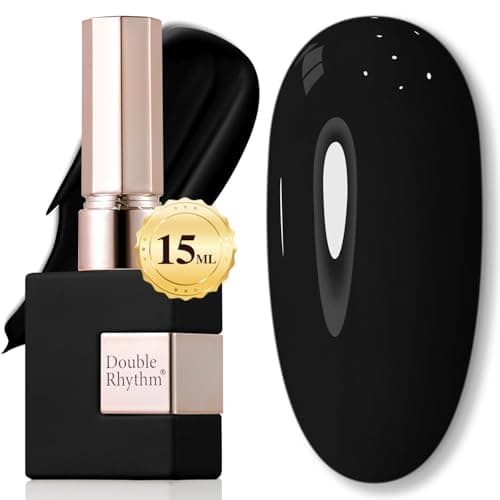
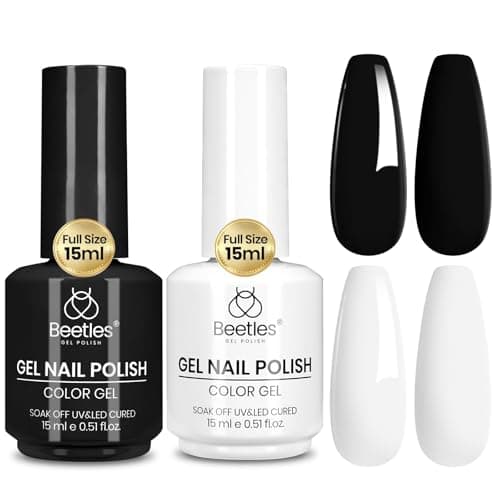
| Black | Sleek winter contrast | Gloss or matte | Sheer nude | black |
| Silver, pewter, pearl chrome | Ice rather than glitz in cold light | The finish is the colour | Milky white | chrome |
| Icy white, pearl | The subtlest winter option; flattering in low light | Pearl | Very sheer | white |
| Fine silver glitter, accent nails only | Party sparkle without a costume | Two top coats | Nude | glitter |
This is the season where the top coat does as much work as the colour, and the reason is light.
Winter light is low, flat and short-lived. A matte finish that looks sophisticated in summer can look dull under grey skies, while a chrome or pearl finish picks up what light there is and keeps the manicure from going flat.
The exception is deep colours. Matte burgundy and matte forest are two of the best winter manicures there are, because the depth of the colour compensates for the absence of shine.
The line between festive and gaudy is real, and staying on the right side of it is mostly about restraint.
Fine glitter in silver or champagne on one or two accent nails — see glitter French tips.
A hairline of gold along an otherwise plain burgundy tip.
Forest green with a single tiny snowflake on one nail, rather than ten.
Pearl chrome over white, which reads as frost rather than as Christmas.
What tends to look dated is red-and-green together, chunky glitter across all ten nails, or literal motifs at large scale.
Worth planning for, because the manicure is only half of it.
Cold air and indoor heating both dehydrate the nail plate, and a dry plate is a brittle one. Cuticle oil daily matters more in January than at any other time of year, and it is the single thing that most extends how long a winter set lasts.
Hot water and washing-up accelerate lifting. Gloves help considerably.
And gel outperforms regular polish more dramatically in winter than in summer, because the repeated cold-warm cycling flexes the nail and cracks rigid polish films.
Everyday winter wants navy, espresso or a deep burgundy in a thin band. Seasonless enough not to look like a costume in February.
Christmas and holiday parties are where forest green, deep red and pearl chrome earn their place. Keep to one festive element rather than three.
New Year is the one night chunky glitter is genuinely correct. Silver or champagne, and accept that removal will take twice as long.
Winter weddings suit pearl, icy white and the softest silver chrome — festive enough for the season, quiet enough not to compete.
A pale tip forgives a slightly uneven nail surface. A deep burgundy or espresso does not — dark colours sit on the surface and reveal every ridge underneath, particularly in flat winter light.
Buff the plate smooth before applying, and use a ridge-filling base coat if your nails are naturally uneven. This matters more with the winter palette than at any other time of year.
Burgundy, navy and forest are widely stocked from October onward, so availability is rarely a problem. Pearl and chrome finishes are the ones to ask about in advance, since not every salon carries them.
Expect chrome to be a separate $10–$20 upcharge; deep colours are usually included in the standard French upcharge.
Winter's palette is the easiest to work with technically, because deep colours are well-pigmented and cover in a single pass. Burgundy, navy, forest and espresso all avoid the flooding problem that ruins pale-colour tips.
The compensating difficulty is that dark colours show every flaw — in the line, and in the nail surface underneath. Buff the plate smooth first, and be more careful with cleanup than you would with a nude, since dark polish on the cuticle is highly visible.
For chrome and pearl finishes, see the sequence on the chrome page — layer order matters more than skill.
The manicure is only half of how hands look in winter, and the other half is skin.
Hand cream after every wash, cuticle oil daily, and gloves outdoors. Cold air plus indoor heating is genuinely dehydrating, and a beautiful set of tips on cracked, dry hands does not read as groomed.
Cuticle oil in particular does double duty here: it keeps the skin flexible so it does not split, and it keeps the nail plate from becoming brittle, which is what causes winter breakage.
Salons are at their busiest in the two weeks before Christmas and New Year, and appointments in that window are the most likely to be rushed — which matters for a service where the smile line is the whole point.
Book earlier in December if you can, or take a midweek daytime slot. A French tip done unhurriedly in the first week of December looks better than one squeezed in on the 23rd.
Short squoval is winter's most practical shape — gloves, coat pockets and cold-weather clutter all snag longer nails.
Almond carries the deep winter colours best; the taper stops burgundy or espresso reading as a heavy block.
Coffin suits the metallic finishes, since the wide flat tip gives chrome and pearl a defined surface to reflect from.
Whatever the shape, go slightly thinner on the band than you would in summer. Winter colours are darker, and dark colours read wider than pale ones at the same physical width.
Late winter is the awkward stretch — burgundy and forest start feeling heavy before pastels feel right.
Two shades bridge it well. Taupe or mushroom brown keeps the depth of a winter tip while reading cooler and lighter. And pearl white over a sheer base works in either direction, reading as frost in February and as clean in April.
If you want one manicure to carry you from February into spring, a soft pearl French is the answer.
For the nail underneath any of this, the American Academy of Dermatology's nail care basics are the sensible baseline — most damage attributed to a manicure is removal damage.
Burgundy French tips and red French tips for the festive classic, green French tips — forest is winter's alternative — and brown French tips for the neutrals. Chrome French tips for the icy finish and glitter French tips for the party version. Preview a classic on white or nude first, then a winter shade like black or navy. Back to french tip nails.
What French tip shoppers are buying this week, across every category.
What colors work best for winter French tip nails?
White, deep red, navy, black, and icy chrome are popular. Cozy neutrals like nude and brown also work well for a softer winter look.
How do I make winter French tips feel festive but not too much?
Keep the base neutral and add one accent: a thin glitter outline, a chrome sheen, or a deep winter tip color like burgundy or navy.
What’s the easiest winter French tip design?
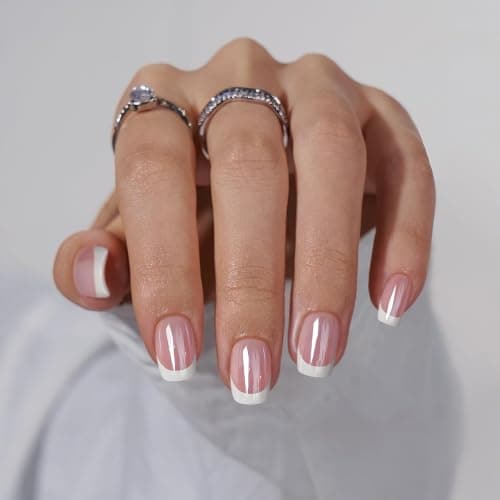
Classic white tips on a milky base, or a thin silver-glitter line at the smile line for subtle sparkle.
Are short nails good for winter French tips?
Yes—micro tips in winter shades look clean and practical, especially if you’re wearing gloves or doing more hands-on activities.
What finish looks best for winter?
Glossy is classic, chrome feels icy and reflective, and matte can look chic with darker winter tips.
What is the most wearable winter French tip colour?
Navy, then espresso. Both read as winter neutrals rather than seasonal statements, both cover in one coat, and both work from November straight through to spring in a thin band. Burgundy is the more festive choice and the one to add a gold hairline to in December.
Why does my manicure look dull in winter?
The light, usually. Winter light is low and flat, so a glossy mid-tone that sparkled in July has nothing to reflect, and a matte pale colour goes chalky. Pearl and chrome finishes gather what light there is, and matte only works on the deep colours. Change the finish before changing the colour.
Almond French Tip Nails
almond french tip nails
Black French Tip Nails
black french tip nails
Blue French Tip Nails
blue french tip nails
Brown French Tip Nails
brown french tip nails
Chrome Coffin French Tip Nails
chrome coffin french tip nails
Chrome French Tip Nails
chrome french tip nails
Coffin French Tip Nails
coffin french tip nails
Cute French Tip Nails
cute french tip nails