modelones
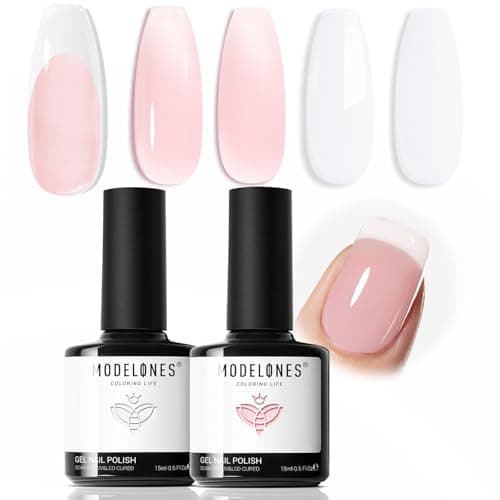
modelones French Manicure Pair
$8.994.4 (5,685)
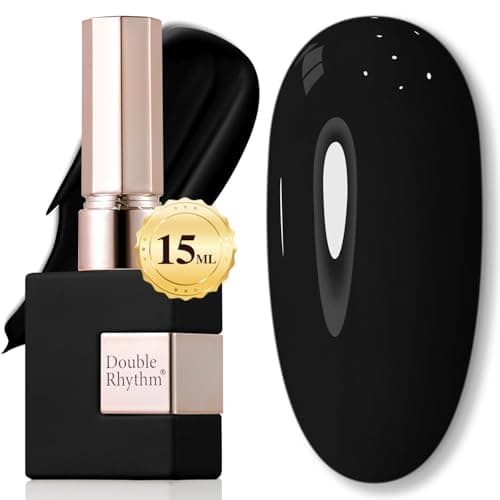
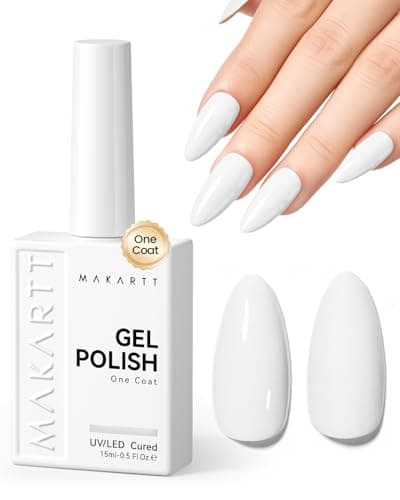
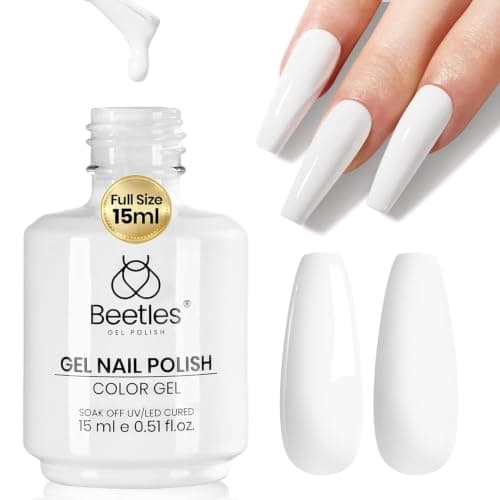
The pink + white pairA sheer pink base and opaque white, colour-matched in one box — the classic French with zero guesswork.
Shop on AmazonFrench tip nails category
ombre french tip nails
Ombre french tip nails fade instead of drawing a line — the baby boomer blend, the sponge method at home, and the exact salon wording to use.
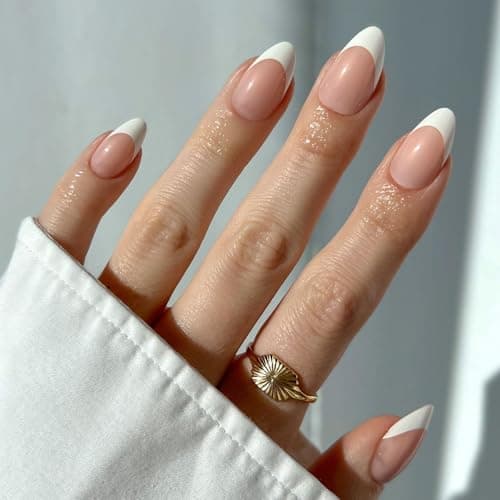
Ombre french tip nails have no smile line to get wrong — which is exactly why they are harder than they look. They are the softer, blended cousin of the classic French manicure. Instead of a crisp smile line, the color fades gradually from a nude/pink base into a lighter tip. This makes the look feel airy, modern, and forgiving—perfect if you want a clean manicure that still looks natural up close.
“This is going to be the footprint for where your next layer of gel sits — you don't cure this layer; it stays wet.”
Sukie's take: The single most-watched baby-boomer tutorial for a reason: the wet-layer blending she shows is the brush method from this page done properly, and seeing the timing once teaches more than any written description.
A sheer pink base and opaque white, colour-matched in one box — the classic French with zero guesswork.
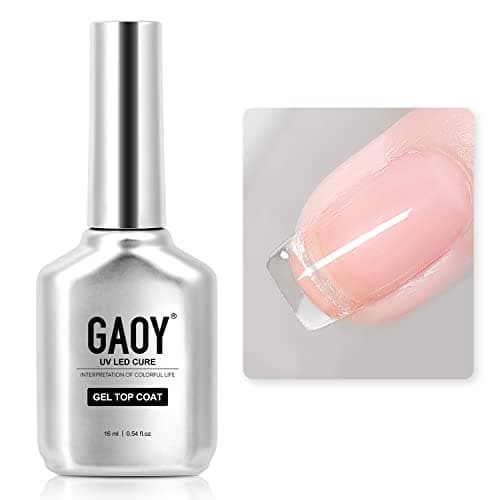
Shop on AmazonThe sheer nude-pink base half of a French — rank 141, and the natural-nail illusion depends on exactly this sheerness.
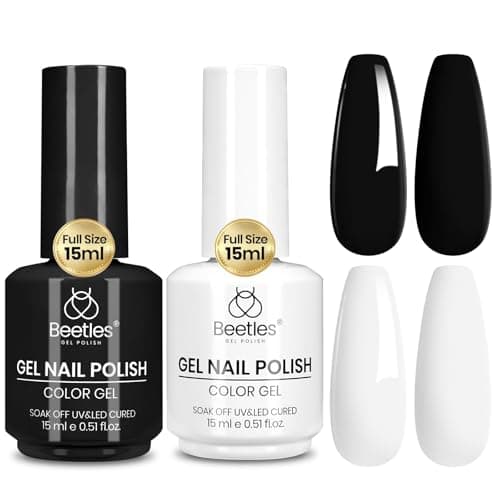
Shop on AmazonMarketed on pigment load and buyers confirm genuine one-coat coverage — the property that keeps a smile line crisp.
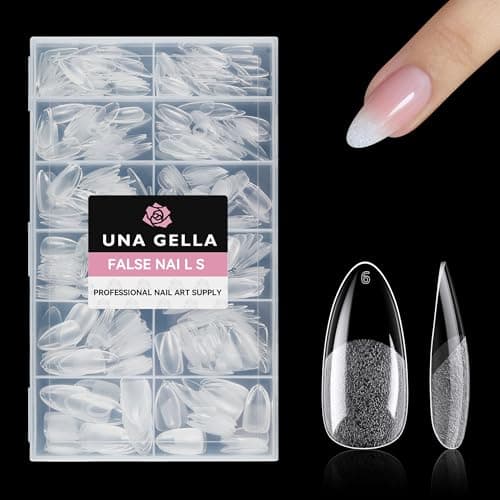
Shop on AmazonA glassy no-wipe single — the budget seal that still enables chrome.
Shop on AmazonProduct prices and availability are accurate as of October 17, 2026 and are subject to change. Any price and availability information displayed on Amazon at the time of purchase will apply. As an Amazon Associate we earn from qualifying purchases. Star ratings reflect Amazon customer reviews at the time of our last check.
| Version | Base → tip | Reads as | Difficulty |
|---|---|---|---|
| Baby boomer | Sheer pink → white | The classic bridal fade | Medium |
| Nude boomer | Nude → white | Slightly more modern, lower contrast | Medium |
| Pink ombré | Pink → milky pink | Soft, romantic — see pink French tips | Medium |
| Reverse nude | Nude → caramel | Unexpected; the tip is darker | Medium |
| Colour to white | Lavender, sage or blue → white | Fashion rather than bridal | Harder — the middle muddies |
| Glazed ombré | Any fade, pearl chrome over the top | Glow — see chrome French tips | Medium, plus the chrome sequence |
| Ombré with a micro line | Any fade, a hairline at the edge | Definition without a hard band — see glitter French tips for the sparkle version | Harder |
Ombre French — also called baby boomer — replaces the hard smile line with a gradient, and the technique is completely different from a standard French. There is no line to draw at all.
The sponge method is the reliable one. Paint your base colour and cure. On a makeup sponge, paint a strip of the base colour and a strip of white, slightly overlapping. Dab the sponge onto the nail, positioning the overlap where you want the fade. Repeat three or four times, building gradually. Cure, then top coat.
The brush method is faster but harder. Apply white to the tip, then immediately use a clean damp brush to feather the inner edge back toward the base while the polish is still wet. Works well with gel, which stays workable until cured; almost impossible with regular polish, which sets too fast.
Do not try to blend cured layers. Once gel is cured the boundary is fixed. All blending has to happen before the lamp.
With gel, nothing sets until the lamp, so a fade that is not right can be wiped and re-dabbed. With regular polish the window is seconds, which is why ombré is a gel technique in practice.
Counterintuitively, ombre is more difficult than a sharp smile line for most beginners, despite requiring no precision drawing.
The reason is that a gradient must be consistent across ten nails. One nail where the fade starts higher than the others is immediately obvious, and unlike a wobbly line you cannot correct it with a clean-up brush — there is no edge to carve.
The sponge method's repetition also builds thickness. Four or five dabs of product means a noticeably thicker nail than a standard French, which is why ombre sets sometimes look bulky.
Pink to white is the classic baby boomer and the most requested. Soft, bridal, universally flattering.
Nude to white is slightly more modern and lower contrast.
Nude to caramel inverts the usual direction — the tip is darker than the base rather than lighter. Unexpected and expensive-looking.
Colour to white — lavender, sage or blue fading into white — is the version that reads as fashion rather than bridal.
Two-tone within one family — pale pink into deeper rose — is the subtlest of all.
What tends not to work is a high-contrast pairing. Ombre's whole appeal is softness, and forcing a dramatic colour jump into a gradient produces a muddy middle section rather than a smooth transition.
The vocabulary matters here more than with most variations, because the same look has several names.
"Baby boomer" is what most US salons call a pink-to-white ombre French, and asking for it by that name gets you the classic version immediately.
"Ombre French" is understood but broader — you may be asked which colours.
"Gradient French" is less common and may need explaining.
Specify where the fade should start. "Fade beginning about a third of the way down" is far more useful than "soft ombre", because the starting point is the variable that most changes the look.
A visible band instead of a fade. Caused by too few sponge passes, or by lifting the sponge cleanly rather than dabbing. Build slowly — four or five light dabs beat two heavy ones.
Inconsistency across nails. The commonest problem, and it comes from repositioning the sponge between fingers. Keep the sponge orientation identical for all ten.
A muddy middle. Happens when the two colours are too far apart in tone. Ombre needs colours that blend into something pleasant; pink and white make a pale pink, which is fine, whereas blue and orange make brown.
Bulky nails. Sponging builds product. Use thinner coats than you think and cure between layers.
This is where ombre French does its heaviest lifting, and the reasons are practical.
It photographs softly, so it does not compete with a ring in close-up hand shots. It suits every skin tone because the gradient is tonal rather than a colour statement. And it grows out invisibly, which matters when the manicure is applied several days before the event.
It is also the version most likely to be flattering on a bridal party with ten different nail lengths and shapes, since a fade adapts to any silhouette in a way a fixed-width band does not.
Ombre is the most flattering French variation on short nails and deserves saying plainly, because most ombre imagery shows long extensions.
The reason is the absence of a hard line. Every other French variation places a boundary across the nail that the eye reads as an ending. A gradient has no boundary, so the eye travels the full length of the plate uninterrupted — which makes a short nail read noticeably longer than the same nail with a sharp tip.
Keep the fade shallow on a short nail. A gradient that starts halfway down consumes too much of a small plate; starting the fade in the top third is about right.
The advanced version, and worth knowing it exists: a base colour, a middle tone and a tip colour, blended in sequence on the sponge.
Done well it produces a genuinely luxurious depth — pale pink to peach to white, or nude to caramel to cream. Done badly it produces mud.
The rule is that all three colours must sit in the same family and in the correct tonal order. Skipping a tonal step is what creates a visible band, and a band defeats the whole purpose.
If you are attempting this at home, mix on the sponge rather than the nail, and expect to use more passes than a two-colour fade.
Ombre's biggest practical advantage is regrowth. With no hard line at the tip, and a gradient that softens toward the cuticle anyway, the gap that appears after two weeks is far less noticeable than on a sharp French. An ombre set genuinely lasts longer as a look than a classic French, even though the gel underneath ages at the same rate — if you stretch appointments to four weeks, this is the version to ask for.
At a salon it is almost always an upcharge — typically $10–$20 over a standard French — because it takes longer and needs more skill than a smile line. The one upkeep note: the sponging process builds thickness, so ombre sets are more prone to lifting at the cuticle if the base was applied thickly. Thin coats matter more here than usual.
Press-ons cover the look too: most of the brands in the press-on French tip nails category sell a baby-boomer set alongside their classic French, and for a wedding guest or a one-week wear it is the fastest route to a fade that is identical on all ten nails.
One outside reference worth keeping: the American Academy of Dermatology's healthy nail tips, which say in plainer words what this site keeps repeating about removal and cuticle oil.
Nude French tips for the same softness with a defined edge, and white French tips for the crisp version. Pink French tips for the classic base colour, pastel French tips for the colour-to-white fades. Short French tips — the length ombre flatters most — and the wedding French tips guide for the occasion it was made for. Back to french tip nails.
What French tip shoppers are buying this week, across every category.
What are ombré French tip nails?
Ombré French tips fade from a nude or pink base into a lighter tip (often white) instead of having a sharp smile line.
Do ombré French tips look more natural than classic French?
Often, yes. The blended transition looks softer and can hide small imperfections or regrowth more gracefully.
Are ombré French tips hard to do at home?
They can be. Many DIY sets use a sponge or an airbrush effect. A salon can achieve a smoother blend with powders or gel techniques.
What shape looks best with ombré French tips?
Almond and coffin are especially popular because the fade elongates the nail. Short nails can still work with a subtle blend.
How do I ask for ombré French tips at the salon?
Ask for “French ombré/baby boomer nails” and specify how soft you want the fade and what base tone you prefer.
What is the difference between ombré French and baby boomer nails?
Baby boomer is the specific pink-to-white ombré French — the original and still the most requested. Ombré French is the broader term for any French where the tip fades into the base instead of meeting it at a line, including nude-to-white, pink-to-milky and colour-to-white versions. Ask for baby boomer and every US salon knows exactly what you mean.
Can you do ombré French tips with regular polish?
Barely. The fade has to be built while the layers are wet, and regular polish sets within seconds, so the sponge drags rather than blends. It is a gel technique in practice: gel stays workable until it is cured, which is the whole reason the sponge method works. Press-on baby boomer sets are the no-lamp route.
Almond French Tip Nails
almond french tip nails
Black French Tip Nails
black french tip nails
Blue French Tip Nails
blue french tip nails
Brown French Tip Nails
brown french tip nails
Burgundy French Tip Nails
burgundy french tip nails
Chrome Coffin French Tip Nails
chrome coffin french tip nails
Chrome French Tip Nails
chrome french tip nails
Coffin French Tip Nails
coffin french tip nails