modelones
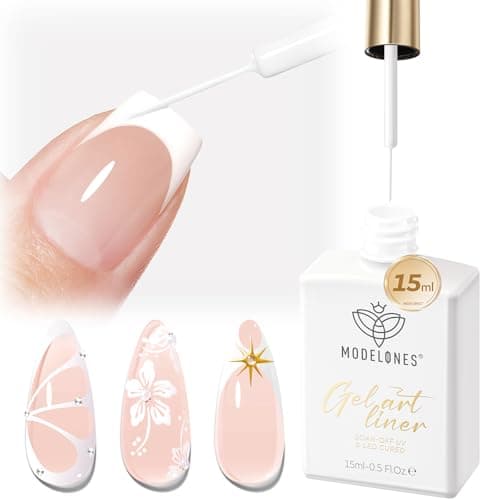
modelones White French Tip Liner Gel
$6.994.3 (7,187)
Micro specialistPrecision brush aimed squarely at the thin-line micro French.
Shop on AmazonFrench tip nails category
thin french tip coffin nails
Thin french tip coffin nails put a hairline of white on a tapered flat edge — how thin is thin, which length carries it, and the liner to use.
The most-asked version of the coffin French in the search data for this site is not the deep white block. It is the thin one — the hairline of white on a tapered shape — and the queries come in every phrasing: thin, skinny, slim, and coffin in front or behind. They all mean thin french tip coffin nails: a coffin (ballerina) shape with a one-to-two millimetre line of white along the flat edge, and the base colour doing the rest.
It is the more wearable of the two coffin Frenches, and the one salons get wrong most, because a thin line on a coffin needs a decision about where the line stops on the side wall that nobody makes on a square nail.
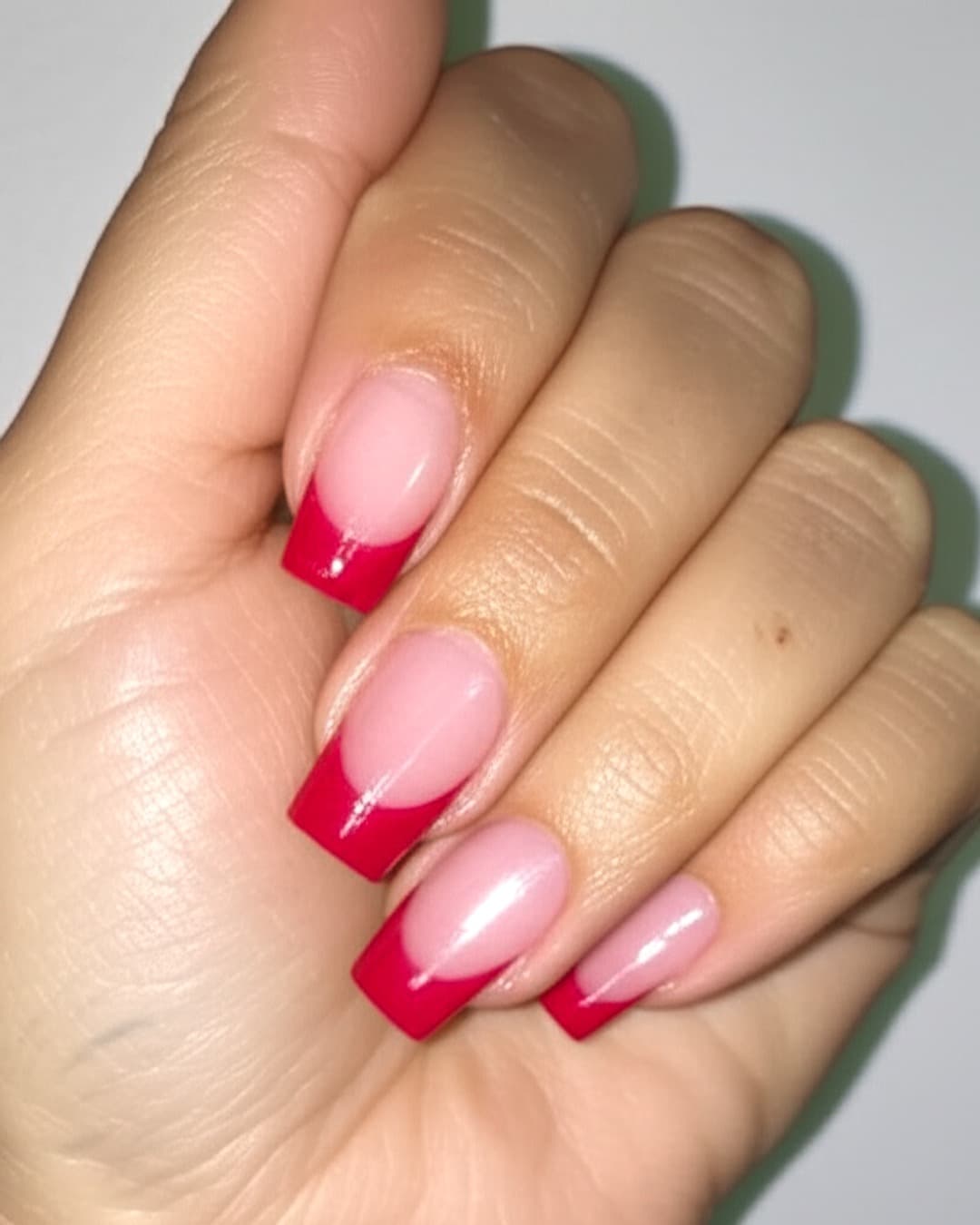
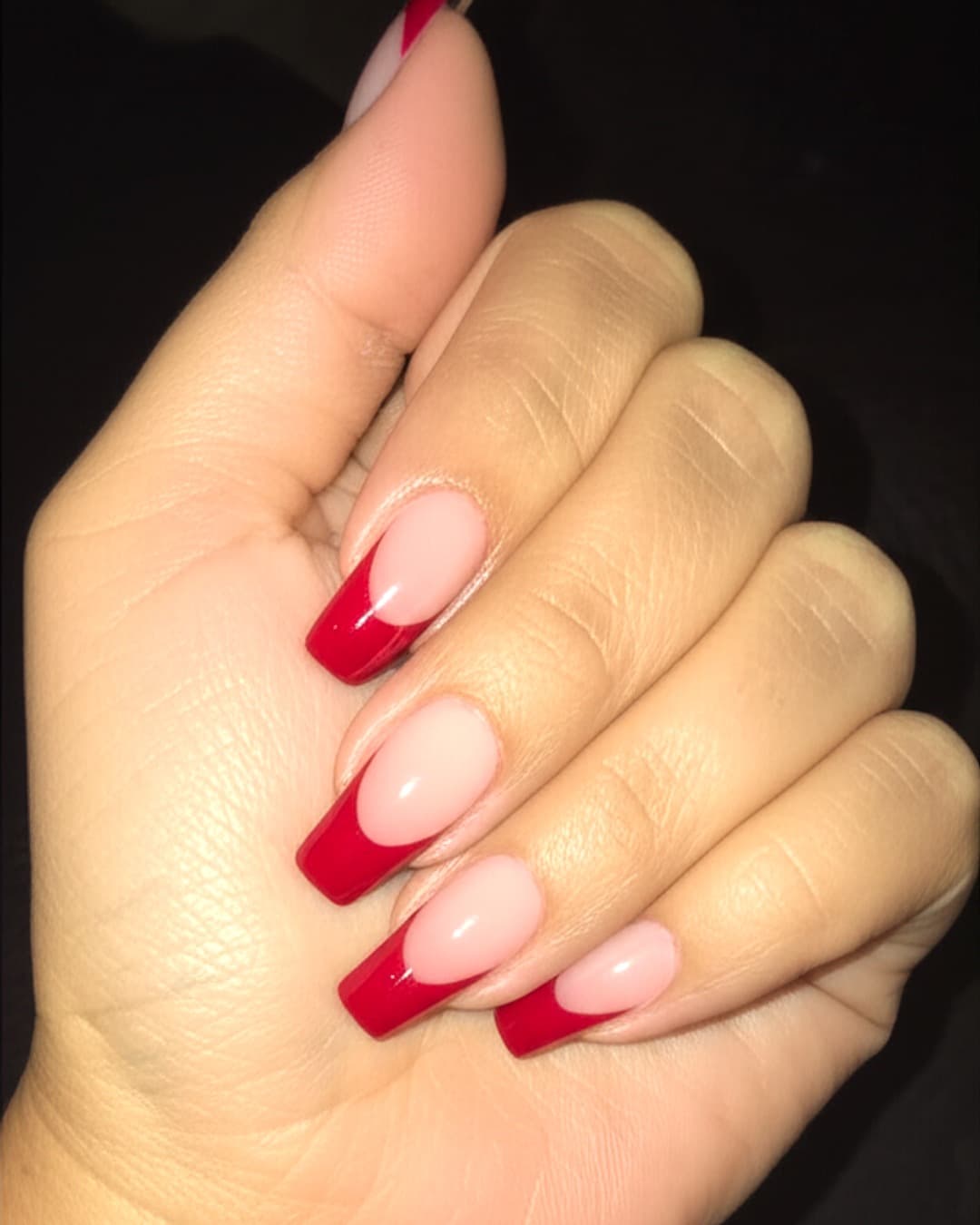
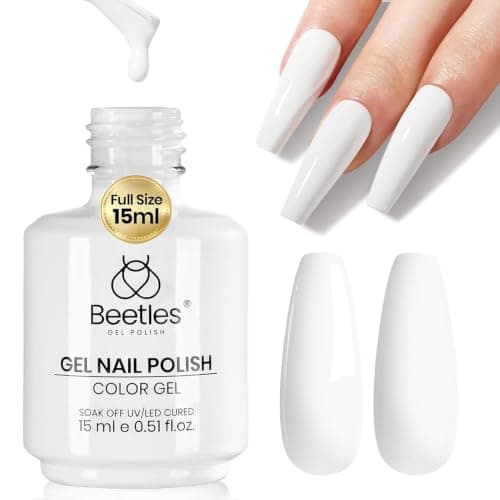
Precision brush aimed squarely at the thin-line micro French.
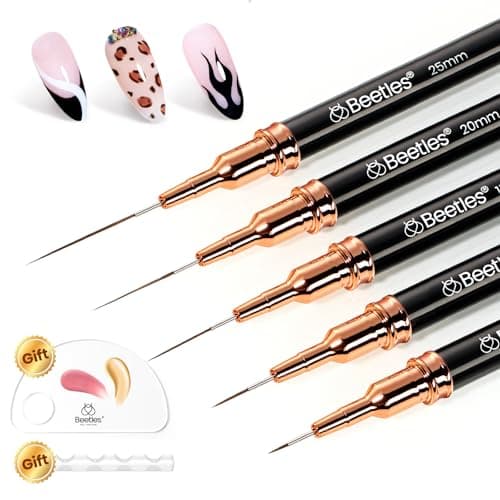
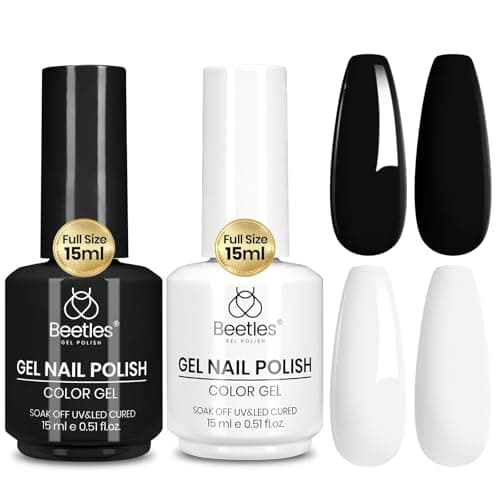
Shop on AmazonFive liners from 5 mm to 20 mm-plus — short ones for micro tips, long ones to pull a full smile line in one stroke without reloading.
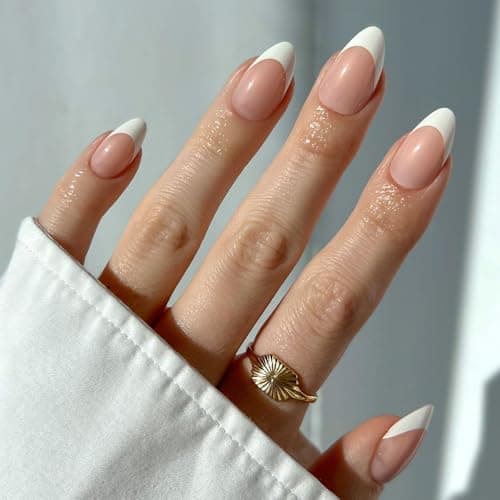
Shop on AmazonThe sheer nude-pink base half of a French — rank 141, and the natural-nail illusion depends on exactly this sheerness.
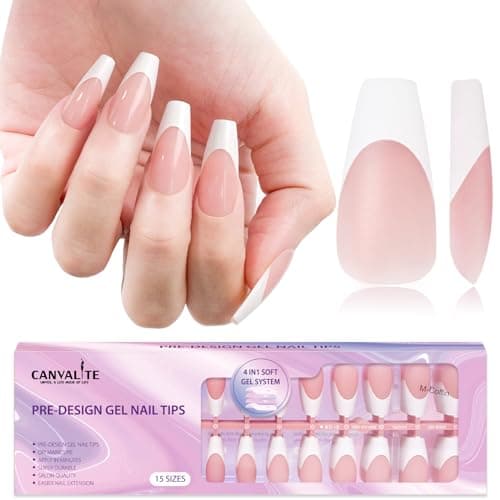
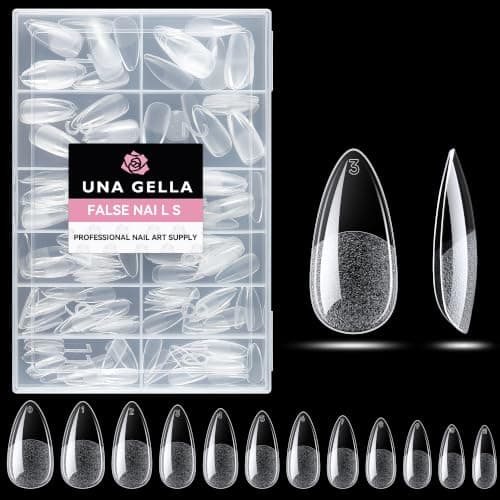
Shop on AmazonThree hundred pre-coloured, pre-lined French tips that need only a top coat — the shortcut between a blank tip and a press-on.
Shop on AmazonProduct prices and availability are accurate as of October 23, 2026 and are subject to change. Any price and availability information displayed on Amazon at the time of purchase will apply. As an Amazon Associate we earn from qualifying purchases. Star ratings reflect Amazon customer reviews at the time of our last check.
One to two millimetres. Below one, the line disappears at arm's length on a coffin, because the flat edge is narrow and the taper draws the eye away from it; that is the micro French, and it suits round and almond shapes better. Above two, it is simply a standard tip. The thin coffin French sits in that one-millimetre window, and it is worth measuring the first few times — a strip of tape a millimetre and a half wide, held against the nail, calibrates the eye faster than any photo.
On a square nail, the thin tip runs side wall to side wall along a straight edge and that is the whole job. On a coffin, the free edge is flat but the side walls taper in, so the line has a choice at each end: stop at the corner, or turn and run a millimetre or two down the taper.
Stopping at the corner reads as a bar — clean, graphic, slightly severe. Turning down the taper reads as a French — softer, and the version most photos show. Either is correct; the mistake is not choosing, so one nail turns and the next does not. Decide before the first stroke.
The method is a liner brush and two strokes.
In gel, the line can be corrected until it is cured, which is why a thin coffin French is easier in gel than in polish. In regular polish it sets in seconds and the correction is remover on a brush, which works but blurs the edge on the second attempt. The liner brushes page covers the brush lengths — a shorter liner, 5–9 mm, is easier for this line than the long stripers.
Because the white is so little, the shape has to do the work. A short coffin barely tapers, so a thin line on it reads as a square French. Medium coffin is where the thin tip starts to look like a design choice, and long coffin is where it becomes the most elongating French on the site — a slim nail with a hairline of white at the very end, which is what the "skinny coffin" searches are usually picturing.
That is also why the thin coffin French is nearly always an extension. Natural nails long enough for a coffin taper are rare; the French tip acrylic and gel pages cover the two builds, and blank coffin soft-gel tips from the nail tips category are the route for painting the thin line on a tip before it goes on.
| Thin tip | Deep tip | |
|---|---|---|
| White covers | 1–2 mm | A quarter to a third of the nail |
| Reads as | Elongating, minimal | Graphic, salon-set |
| Chip visibility | A slightly shorter line | A white notch |
| Base colour | Most of the nail; sheer works best | Less visible; milky or nude gives contrast |
| Drawing difficulty | The turn at the side wall | The straight edge of a large block |
| Best length | Medium, long | Medium |
The white coffin French tip nails page is the deep-tip version of this shape; the two are the same manicure at two proportions.
Coffin corners take every knock, and a chip on a white tip shows as white missing. A deep tip has a lot of white to lose, and a corner chip takes a bite out of the block. A thin tip has a millimetre of white, so the same corner damage shortens the line by a fraction and the eye reads it as slightly shorter, not broken. It still wants capping — run the top coat over the free edge so the line is sealed — but a thin coffin French genuinely survives a fortnight of typing and pockets better than the deep version does.
With a thin tip the base colour is ninety per cent of the nail, which makes it the real decision. Sheer pink is the classic and reads most like a natural nail. A milky pink or milky white gives the blurred version, where the thin white line sits over a soft haze — the look that gets called "clean girl" or "glazed" — and pairs well with a pearl chrome rubbed over the line. Warm nudes suit olive and deep skin, where a pink base can look chalky under a white line. The nude bases page sorts these by undertone; an opaque colour under a thin white line is a different manicure, a coloured nail with a French accent, and worth doing deliberately rather than by accident.
Most finishes fight a thin tip by blurring it. The ones that work are the ones that sharpen it: a matte top coat on the base with gloss on the line, so the white reads as a raised ridge of light; or a hairline of chrome burnished into the white only, from the chrome powder category, which makes the line catch light without widening it. Glitter, ombre and a second colour line all widen the visual edge and turn it back into a standard tip.
A hairline tip needs a long enough nail to sit on. On a short coffin — and most coffin shapes on natural nails are shorter than they look in reference photos — a thin white line can vanish entirely at arm's length, which leaves you with what reads as a plain nude nail rather than a French.
The other case against it is contrast. A thin line only works when it is crisp, so it demands an opaque white and a steady hand; a slightly grey or patchy hairline has nowhere to hide. If either the length or the opacity is not there, a medium band is the better decision, and it is the version that photographs reliably.
"Medium coffin, thin French tip, straight across" gets the bar version; add "and down the sides a little" for the turned version. If the technician asks how thin, say "one to two millimetres" rather than "thin" — thin means different things in different salons, and the salon wording guide has the rest of the script. What a coffin extension adds to the bill is on how much French tip nails cost.
The FDA's overview of nail care products covers what is and is not regulated in the gels and adhesives every extension uses. For the shape's other versions, see coffin French tip nails and chrome coffin French tips; for the thin line on other shapes, micro French tip nails. Everything starts from the french tip nails homepage.
What French tip shoppers are buying this week, across every category.
How thin is a thin french tip on coffin nails?
Between one and two millimetres of white along the flat edge — thick enough to read as a line from arm's length, thin enough that the base colour is most of the nail. Under a millimetre and you are into micro-French territory, which on a coffin tends to vanish; over two and it is a standard tip.
What length of coffin works best with a thin French tip?
Medium or long. A thin line needs a flat edge to sit on, and the coffin's edge only appears once the nail extends past the fingertip. On a short coffin the taper is barely there, so the thin line reads as a square French. Long coffins with a thin tip are the most elongating French there is.
Is a thin French tip harder to draw on a coffin than on a square?
Slightly. The line is straight across the flat edge, which is easy, but on a coffin it then has to turn and follow the taper down the side wall for a millimetre or two, and that turn is where a thin line wobbles. A liner brush and two strokes — one from each side wall to the centre — is the method.
Skinny coffin french tip vs thin french tip coffin — are they the same?
Yes. 'Skinny' and 'thin' both describe the tip width. 'Skinny coffin' can also mean a narrower taper on the shape itself — a slimmer coffin — so if you want both, say 'slim coffin with a thin French tip' at the salon.
Do thin French tips chip less than deep ones?
Noticeably. A chip shows as a white notch, and a thin tip has less white to notch; the corner damage a coffin always takes reads as a slightly shorter line rather than a bite out of a block. Capping the edge still matters, but a thin coffin French survives a fortnight better than a deep one.
Which white do I need for a thin tip?
A liner white — a 7–12 ml bottle with a long thin brush in the cap — rather than a full-size white with a standard brush. The liner lays a millimetre-wide line in one pass; the standard brush cannot. The white gel category on this site is split into the two for exactly this reason.
Can I get thin French tip coffin nails as press-ons?
Rarely as a stock set — most coffin press-ons are painted with a standard or deep tip. The routes are a blank coffin soft-gel tip you paint the line on before applying, or a pre-painted set filed a little shorter so the line looks proportionally thinner. Check the product photo for line width before ordering.
What base colour suits a thin coffin French?
Anything sheer, because the base is most of the nail. Sheer pink for the classic, milky pink or milky white for the blurred version, a warm nude for deeper skin tones. An opaque base turns a thin French into a coloured nail with a white line, which is a different look.
Chrome Coffin French Tip Nails
chrome coffin french tip nails
Coffin French Tip Nails
coffin french tip nails
Short Coffin French Tip Nails
short coffin french tip nails
White Coffin French Tip Nails
white coffin french tip nails
Almond French Tip Nails
almond french tip nails
Black French Tip Nails
black french tip nails
Blue French Tip Nails
blue french tip nails
Brown French Tip Nails
brown french tip nails