GAOY
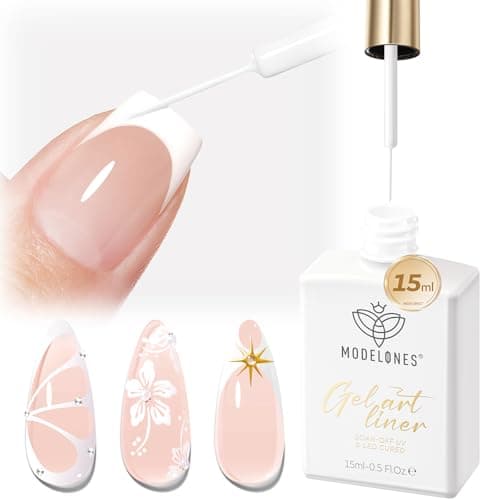
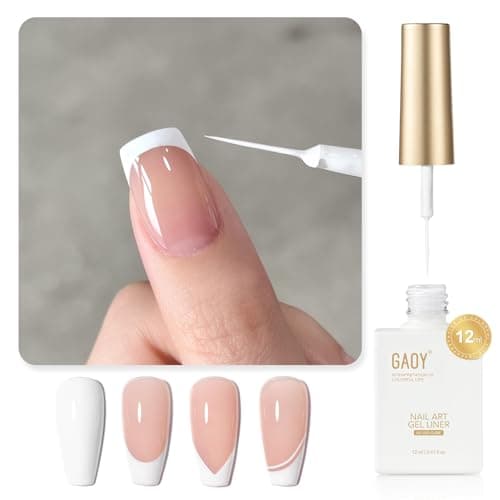
GAOY White Swirl Gel Liner, 12ml
$6.994.5 (1,924)
The liner-in-cap whiteWhite with a long thin liner brush built into the cap — polish and applicator matched for micro lines out of the box.
Shop on AmazonFrench tip nails category
micro french tip nails
Micro french tip nails are the hairline version of the classic French — why the thin line took over, how thin is actually right for your nail, and how to draw one that stays crisp.
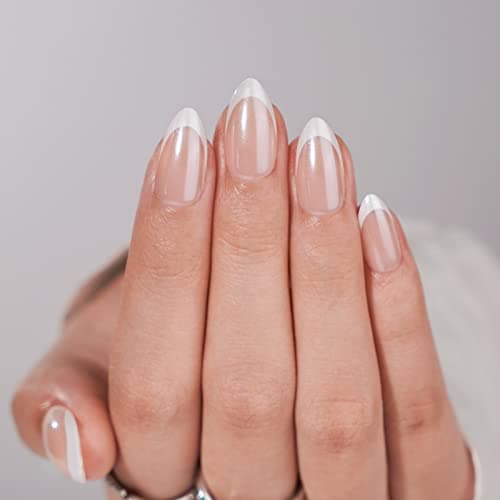
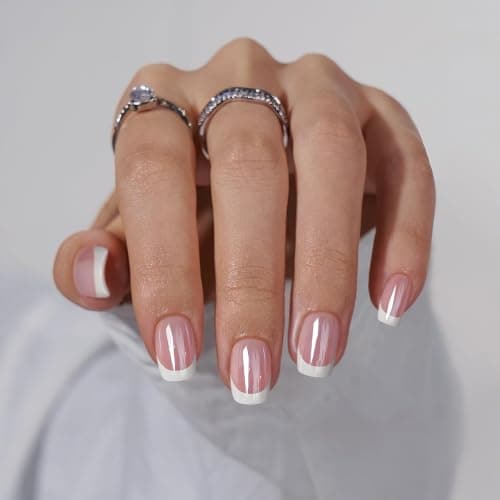
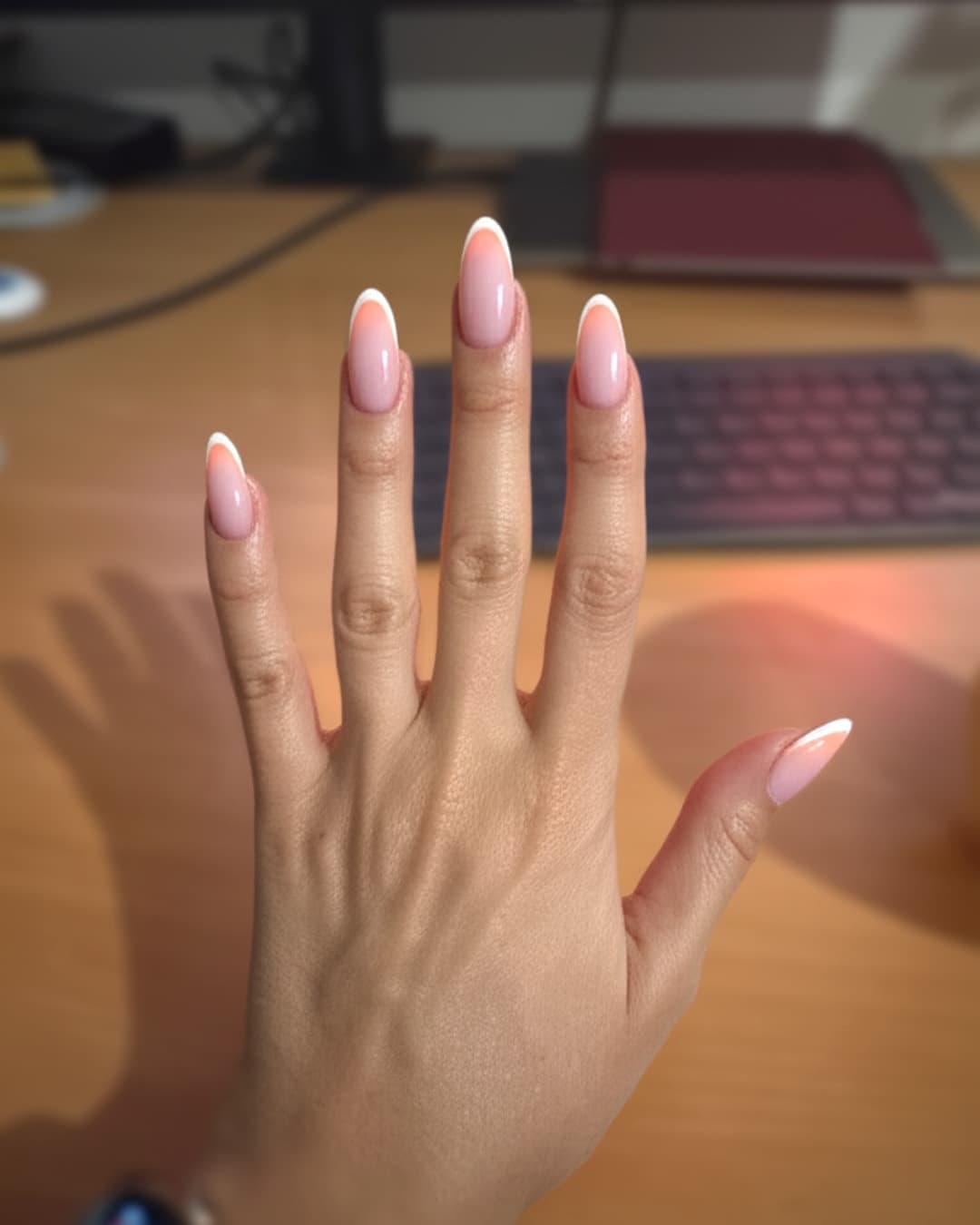
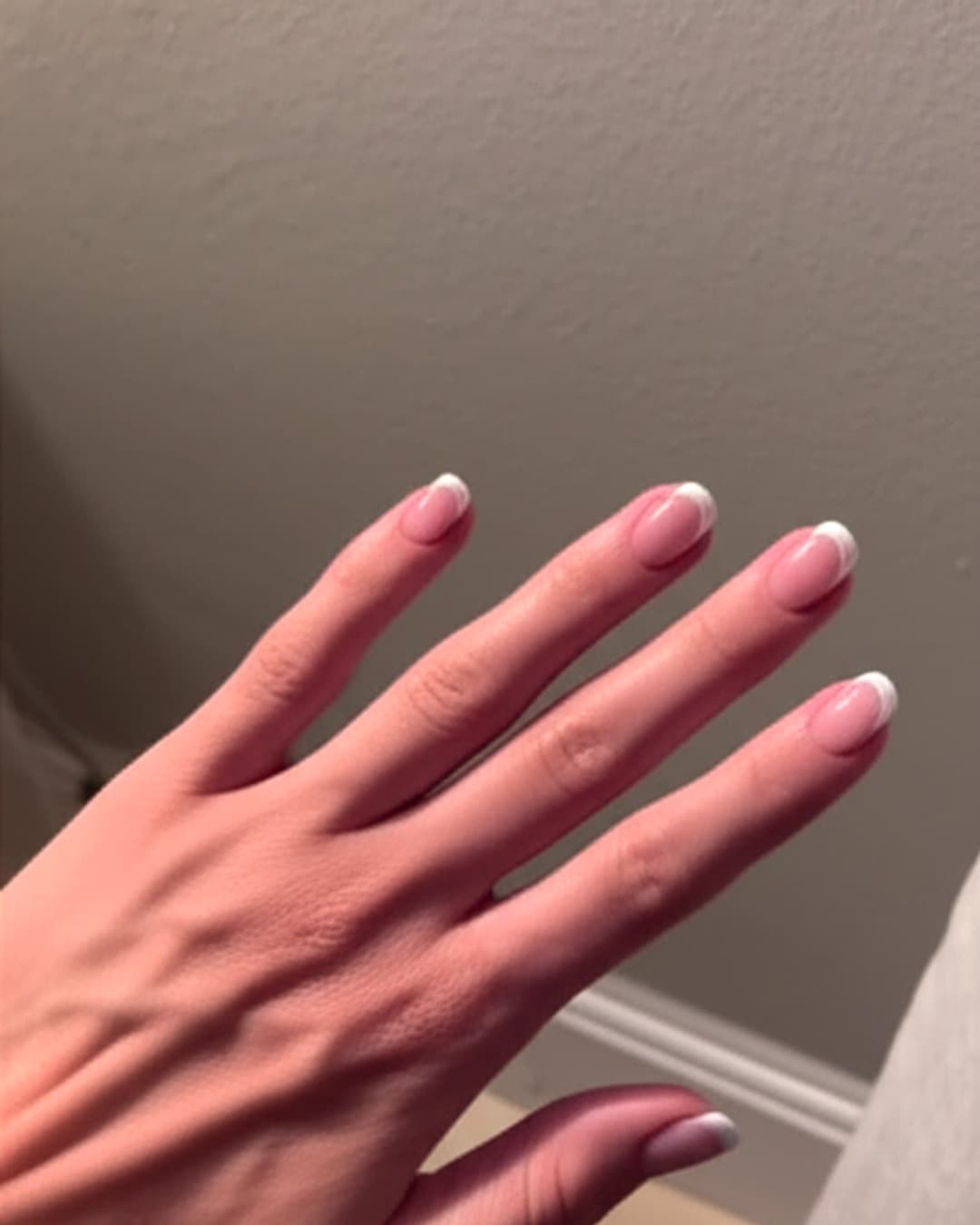
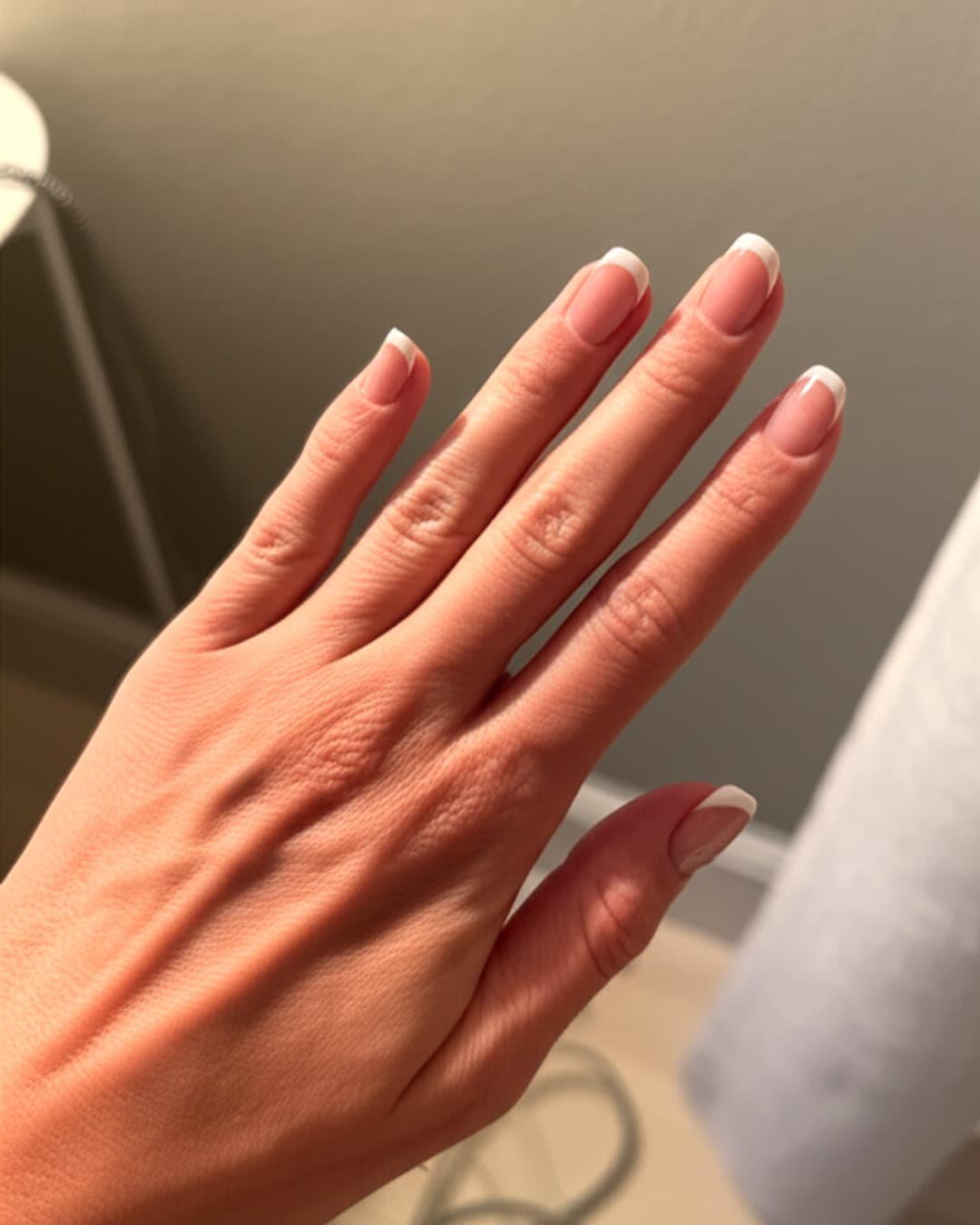
Micro french tip nails take the classic French manicure and shrink the tip to a line — one or two millimetres, sometimes barely a hairline. It is the version salons now do most, the version that dominates hand photography, and the version most likely to be meant when someone under forty says "French tips".
The interesting part is why the proportion changed, because it is not arbitrary fashion. The thin line solves real problems the thick band always had.
White with a long thin liner brush built into the cap — polish and applicator matched for micro lines out of the box.
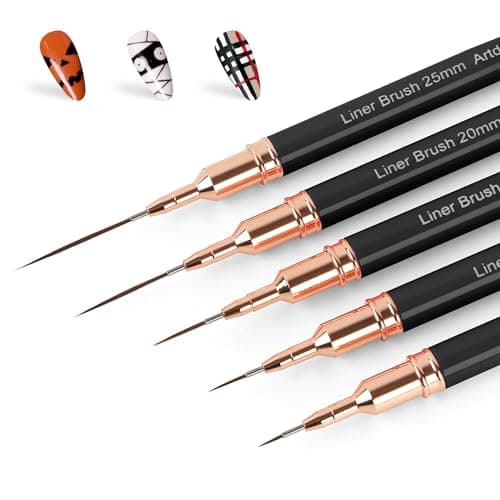
Shop on AmazonPrecision brush aimed squarely at the thin-line micro French.
Shop on AmazonBest-selling liner set — long bristles hold enough polish to pull a full curve without reloading.
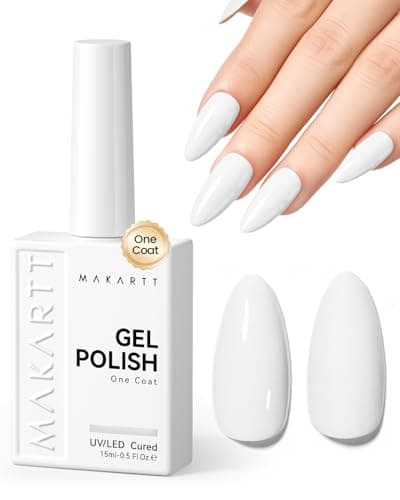
Shop on AmazonMarketed on pigment load and buyers confirm genuine one-coat coverage — the property that keeps a smile line crisp.
Shop on AmazonProduct prices and availability are accurate as of September 20, 2026 and are subject to change. Any price and availability information displayed on Amazon at the time of purchase will apply. As an Amazon Associate we earn from qualifying purchases. Star ratings reflect Amazon customer reviews at the time of our last check.
The classic 1990s French had a three-to-four millimetre band. It looked crisp in its era, and it had two built-in costs that the micro version eliminates.
It shortened the nail. The eye reads the white band as where the nail ends, so every millimetre of band came directly off the visible nail bed. On anything but long nails, the thick French made hands look shorter — which is why so many people concluded the style "didn't suit them".
It aged visibly. A thick band sitting three millimetres up a grown-out nail announces exactly how old the manicure is. A hairline in the same position barely registers.
The micro tip inverts both. It adds definition without subtracting length, and it grows out almost invisibly — which, on a gel set worn for three weeks, is a genuine functional advantage rather than a look.
There is no single correct width. The working rule is that the tip should cover 10–15% of the visible nail, which scales:
Curve depth follows the width: micro lines want shallow curves. A deep dramatic smile line drawn one millimetre thick fights itself — the drama and the delicacy cancel out.
Here is the counterintuitive part: a micro line is easier to draw than a thick band, and harder to fill.
Easier to draw because it is a shorter stroke, and because wobbles at hairline scale are far less legible than wobbles across a wide band.
Harder to fill because the polish must cover in one pass. A thick band tolerates a second coat — there is room to land it inside the first. A hairline does not; the second coat floods over the edge and the crispness is gone. If your white goes on grey, no technique rescues the line.
This is why the single most important purchase for micro work is a genuinely one-coat polish. Our white gel polish guide ranks the options on exactly this property, and several now ship with a thin liner brush in the cap — the second thing micro work needs, since a standard polish brush is several times too wide. For the applicator options in full, see the best French tip nail brush.
The width changes what colours are wearable, and this is the most useful thing about the style.
White stays the classic, and at micro width it loses the starkness that made thick white bands harsh on short nails.
Black becomes a graphic detail rather than a statement — a micro black line passes in offices where a thick black tip would not. See black French tips.
Chocolate and espresso read as quietly expensive; see brown French tips.
Chrome and gold read as jewellery — a reflective hairline catches light without adding any visual weight.
Nude one shade deeper than the base is the quietest manicure this site covers, and possibly the most useful: unambiguously groomed, invisible as a statement.
The general rule: micro width buys you two extra shades of boldness. Whatever colour felt like too much as a band is probably right as a line.
The method is the standard two-stroke — start at one side wall, pull to the centre, lift, mirror from the other side — with two micro-specific adjustments.
Load the brush lighter than usual. A thin line needs very little polish, and an overloaded liner blobs at the start of the stroke. Wipe the brush until it feels almost dry.
Use the clean-up method as the finisher, not the rescue. Draw the line slightly thicker than the target, then carve it down to width with a flat brush dipped in cleanser. Carving down to a hairline is far more reliable than drawing one directly, and it is how a lot of salon micro work is actually done.
If freehand is not happening, note that most stamps and guides are cut for standard band widths — the guides and stamps guide explains which tools can go thin and which cannot. The full technique walkthrough is in how to do French tips at home.
A micro line is a liner-white job. The full-size whites with a standard brush cannot lay a millimetre; the 7–12 ml liner bottles with a long thin brush in the cap can, in one pass. In the shop's white gel polish category the liner half of the grid is exactly these — modelones' French tip liner, GAOY's swirl liner, Beetles' 7 ml liner, SAVILAND's beginner liner — and the black and gold versions for a coloured micro line sit in the same family. For carving a drawn line down to a hairline, the flat clean-up brushes on the brushes page do the finishing.
The width is the same; where the line stops is not. On a square nail a micro line runs straight across and ends at the corners. On an almond it follows the taper and the two strokes meet at the point, which is the easiest micro to draw because the shape aims the brush. On a coffin it runs straight across the flat edge and then has to decide whether to turn down the taper for a millimetre — decide before the first stroke, or one nail will turn and the next will not. Short round and oval nails take the thinnest line of all, a true hairline, because there is so little edge for it to sit on.
Say "micro French" — the term is universally understood now — and add the width: "micro French tips, as thin as you can make them" or "about a millimetre". Left unspecified, "French tips" still defaults to a standard band in most salons.
Ask to see the first nail. Thickness is set on nail one, and it is the single thing about this manicure you will care about.
Some salons price micro as detailed work and add $5–$15; most include it. Standard French tip pricing applies otherwise.
A thin line does not mean a weak manicure. The tip band's width has no bearing on how long the set lasts — adhesion is decided at the base coat and the capped edge, not at the smile line. A micro French wears exactly as long as a thick-banded one, and looks fresh longer as it grows out.
The micro logic transfers to pedicures better than any other French variation, because toenails were always the wrong canvas for a thick band — the plates are too short and wide. A hairline on the big toe with the faintest echo on the others is the cleanest French pedicure there is, and it is forgiving enough to freehand even at an awkward painting angle.
One under-appreciated use: a micro line is the best rescue for a French that grew out or chipped. Rather than soaking off a two-week-old set, wipe the old tip area clean and redraw a thinner line slightly lower — the micro width fits inside the space the old band occupied, and the refreshed set buys another week. It is the only French width that can be re-drawn over itself without removal, which makes it the frugal choice as well as the fashionable one.
A closing note on trend risk: proportions cycle, and the thick band will eventually return the way all proportions do. But the micro's practical advantages — graceful grow-out, repairability, colour flexibility — are not fashion-dependent, which is why it is likely to persist as the default even after the pendulum swings.
For the nail underneath any of this, the American Academy of Dermatology's nail care basics are the sensible baseline — most damage attributed to a manicure is removal damage.
Simple French tips for the philosophy this style belongs to. Short French tips for the length micro flatters most. Nude French tips for the softest colour pairing, and the french tip nails homepage for everything else.
What French tip shoppers are buying this week, across every category.
What are micro french tip nails?
A French manicure with a deliberately very thin tip line — one to two millimetres, sometimes a hairline — instead of the classic thick white band. The base stays sheer and natural; only the proportion changes. It is currently the most-worn version of the French manicure.
Are micro french tips harder to do than regular french tips?
Different rather than harder. The line is shorter to draw and small wobbles read less at that scale, but the polish must cover in a single pass — there is no room to lay a second coat inside a hairline. Opacity does the work that a steady hand does on a thicker band.
How much do micro french tips cost at a salon?
The same as a standard French or slightly more — some salons charge $5–$15 extra for micro work because thin lines take longer, not less time, despite using less polish. Expect the standard gel French range of $40–$65 plus any micro upcharge.
Do micro french tips work on long nails?
Yes, but the proportion shifts: a strict hairline on a very long nail can look unfinished, because there is enough plate for the eye to expect more definition. On long nails, micro means thin relative to the nail — two to three millimetres rather than one.
What colour should a micro french tip be?
Anything, which is part of the appeal. White is classic; black and chocolate read as graphic details rather than statements at this width; chrome and gold read as jewellery. Micro is the width at which even bold colours become office-safe.
How long do micro french tips last?
Two to three weeks on gel, the same as any French — but they look better for longer. A thin line survives growing out more gracefully than a thick band, because there is less colour to sit visibly in the wrong place as the nail moves.
Almond French Tip Nails
almond french tip nails
Black French Tip Nails
black french tip nails
Blue French Tip Nails
blue french tip nails
Brown French Tip Nails
brown french tip nails
Chrome Coffin French Tip Nails
chrome coffin french tip nails
Chrome French Tip Nails
chrome french tip nails
Coffin French Tip Nails
coffin french tip nails
Cute French Tip Nails
cute french tip nails