SUNUV
SUNUV UV/LED Lamp
$29.99
The lampThe known-brand lamp default — the purchase that unlocks gel's fix-before-cure advantage.
Shop on AmazonFrench tip nails category
french tip acrylic nails
French tip acrylic nails explained — painted vs sculpted tips, how often fills are needed, what a full set costs, and how removal actually goes.
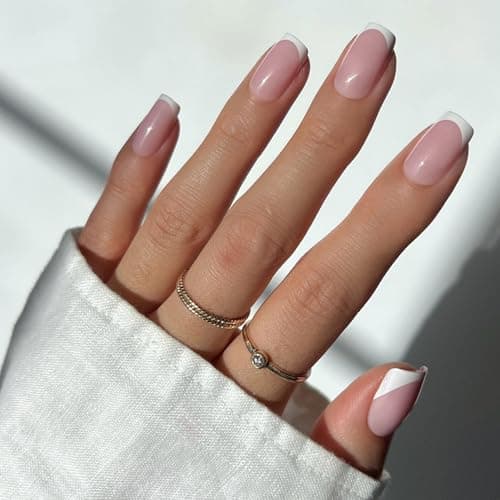
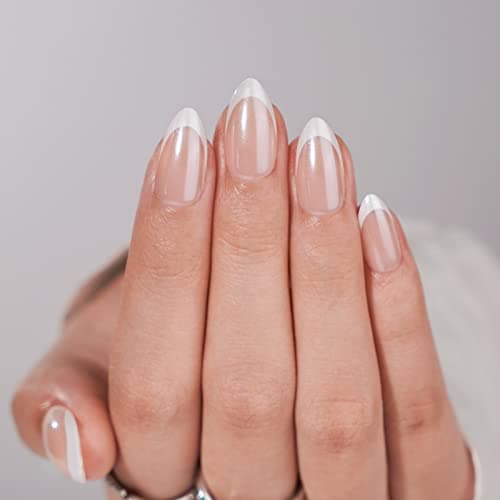
French tip acrylic nails are the salon's answer to "I want length, and I want it to last." Acrylic is a durable way to wear French tips — especially if you want added length, a stronger structure, or a shape that is hard to maintain on natural nails. Acrylic is popular for coffin, long almond, and other sculpted shapes because it holds form well and can be filled as your nails grow.
The known-brand lamp default — the purchase that unlocks gel's fix-before-cure advantage.
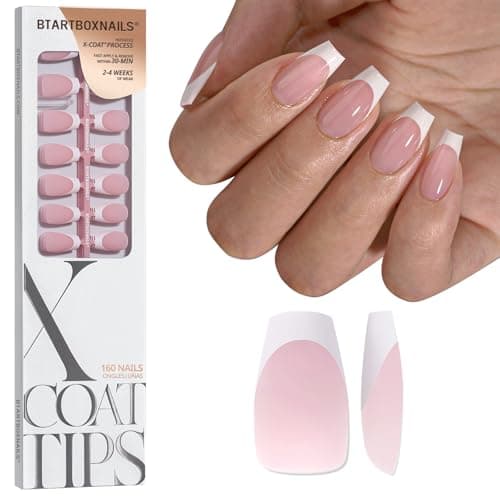
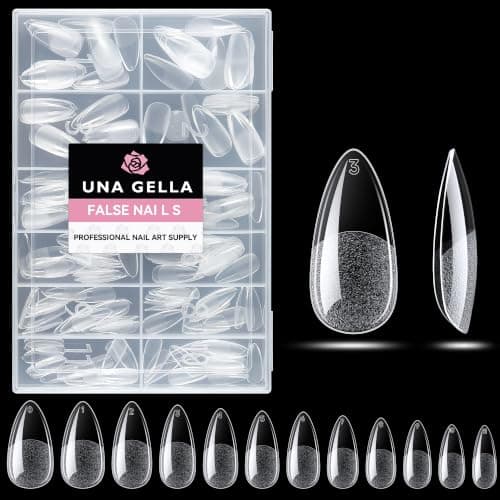
Shop on AmazonPre-built white French coffin extensions — salon shape without the salon build.
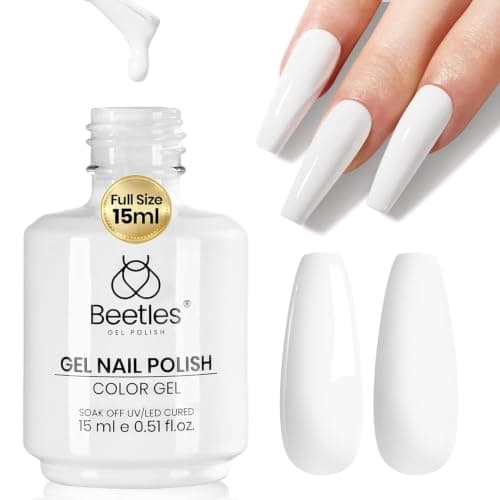
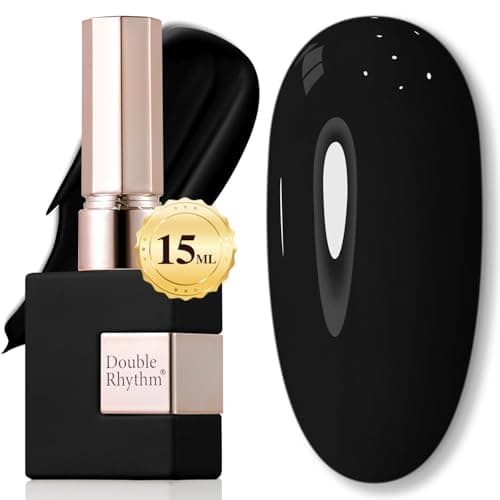
Shop on AmazonThe default one-coat white for tip lines — rank 200 across the whole nail category, and opacity is everything on a French tip.
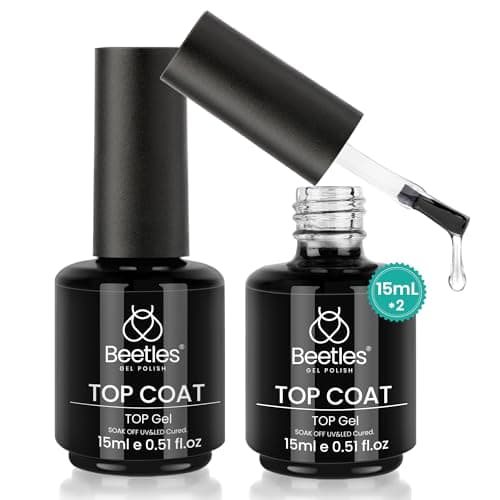
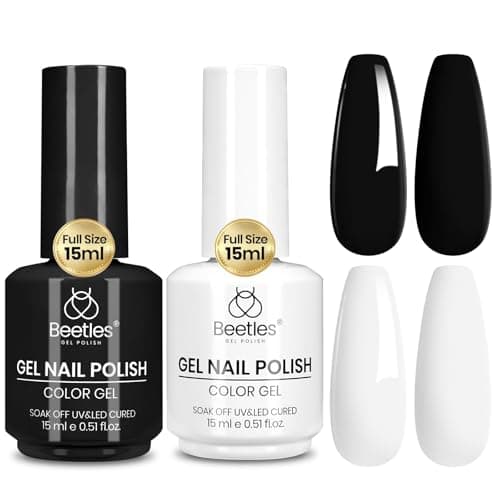
Shop on AmazonTwo 15ml no-wipes — the layer every gel manicure ends with, bought at the rate you actually use it.
Shop on AmazonProduct prices and availability are accurate as of October 19, 2026 and are subject to change. Any price and availability information displayed on Amazon at the time of purchase will apply. As an Amazon Associate we earn from qualifying purchases. Star ratings reflect Amazon customer reviews at the time of our last check.
| Painted French | Sculpted (pink and white) | |
|---|---|---|
| Where the line is | Gel or polish on top of one-colour acrylic | Built into the nail from two powders |
| Can it chip? | The paint can | No — the white is the structure |
| Changing the colour | At any fill | Only by rebuilding |
| Fills | Line redrawn every time | Only the regrowth is filled |
| Price | Lower, faster | Higher, longer |
| Best for | Trying acrylic, changing tip colours, coloured and chrome tips | Permanent white French wearers |
On either build, the tip can be classic white, a colour, chrome, glitter or an ombré — the painted route takes all of them; the sculpted route is white, or pink and white, by definition.
Be clear about structure and design:
If you’re sensitive to thickness, add: “Please keep the set slim and natural-looking.”
This is overwhelmingly the most-searched question about acrylic French tips, so here are the actual numbers.
In the US in 2026, an acrylic full set with French tips runs $55–$95. A fill with the French redrawn is $40–$65, needed every two to three weeks. Big-city salons sit at or above the top of those ranges; suburban salons often come in 20–30% below.
The French itself is typically a $5–$15 upcharge over a plain acrylic set, because it is priced as hand-painting time rather than product.
What pushes a quote toward the upper end: length tiers, shape upgrades beyond square, removal of an existing set, and any finish like chrome or glitter. Full breakdown in how much are French tip nails.
The number most people miss is the fill. A $75 full set sounds like the cost, but if you keep acrylics permanently your actual spend is roughly $50 every two to three weeks — and the smile line is redrawn each time, since the old one has moved down the nail with the growth.
Acrylic sets hard and rigid, and that rigidity is exactly what a crisp smile line wants. The surface takes a sharply defined edge and holds it without the slight flexing that can soften a line on a gel nail.
It is also the system that lets you have length and dramatic shapes — coffin, stiletto, long almond — which is where the deeper, more dramatic versions of a French look best. See coffin French tips.
Worth knowing, because they are different services at different prices.
Painted French means the acrylic is applied in one colour and the smile line is painted on top with gel or polish. Cheaper, faster, and the line can be redrawn or changed at each fill.
Sculpted French — often called pink and white — means the technician uses two different acrylic powders, building the white tip and pink base as part of the nail structure itself. The line is inside the nail rather than on top of it, so it cannot chip or wear off, and it survives filing.
Sculpted costs more and takes longer. It is what you want if you keep acrylics permanently, because the French never needs redoing — only the regrowth gets filled.
The first few days feel strange. The rigidity changes how you type and how much pressure your fingertips register. This passes.
Fills every two to three weeks are not optional if you want to avoid a full soak-off-and-rebuild. Letting a set grow out badly costs more, not less.
And the removal is genuinely tedious — 20 to 30 minutes of acetone soaking, sometimes with a file-down first. The temptation to pry is strongest here, and prying is what actually damages nails.
People who want length they do not have. This is the clearest case. Acrylic builds a nail where there was not one, and no gel applied to a natural nail can do that.
People who break nails constantly. Acrylic's rigidity is protective, and a broken acrylic nail can be filled and rebuilt in minutes rather than requiring a full redo.
People who want dramatic shapes. Long coffin, stiletto and extended almond all need the structural strength acrylic provides.
People who work with their hands — provided the set is kept short. A short acrylic French is genuinely durable in a way a gel manicure is not.
Where acrylic is the wrong answer: if you like your natural nails and simply want them to look immaculate, gel does that with less filing and a much easier removal.
An acrylic full set with French tips takes 90 minutes to two hours, longer if removal of an old set is involved. Book accordingly — a rushed smile line is the most common complaint about this service.
You will notice the monomer smell. It is strong and unavoidable with traditional acrylic; if it bothers you, that alone is an argument for gel or Gel-X.
Ask to see the first nail before all ten are done. On an acrylic set the tip thickness and curve depth are decided early, and correcting nail one takes seconds where correcting ten means filing back.
Cuticle oil daily. Acrylic itself does not absorb it, but the natural nail and surrounding skin do, and flexible skin at the cuticle is what prevents the lifting that starts there.
Never use your nails as tools. A lifted acrylic nail catches, and a caught acrylic nail can tear the natural plate underneath it — which is the one genuine damage risk in this system.
Book fills on schedule. Letting a set grow out badly means a soak-off and rebuild rather than a fill, which costs more and takes longer.
A fill is the appointment most acrylic wearers actually live in, so it helps to know what the forty-five minutes contain.
Step six is the one that makes a French fill cost more than a plain one, and the reason some permanent wearers move to sculpted pink-and-white, where the line never needs redrawing.
Book the soak-off if you can; if not, file the top coat through until it is dull, then acetone on a cotton pad under foil on each finger for twenty to thirty minutes. The acrylic softens from the outside in — push the softened layer off with an orange stick, re-wrap, and repeat. Never pry. What comes off with a pried acrylic is the top layer of your own nail, and that is the "acrylic damage" people describe. Oil the cuticles for a few days afterward before the next set.
Lifting at the cuticle. Almost always prep: oil or cuticle tissue left on the plate before application. It can also mean the product was applied too close to the skin. Do not pick at it — book a repair, because picking takes nail plate with it.
Cracking across the nail. Usually an impact, but repeated cracking in the same place means the apex — the thickest structural point of the nail — is in the wrong position. Mention it to your technician; it is a build issue, not bad luck.
The white tip going yellow. Sculpted white acrylic can discolour with sun exposure and smoking. A UV-inhibiting top coat slows it considerably.
Thin, sore nails after removal. This is over-filing during prep, not the acrylic itself. A technician using an e-file aggressively on the natural plate is the cause. If your nails hurt after a fill, that is worth raising or changing salon over.
If you have worn acrylic continuously for a year or more, a break is worth taking — not because the product damaged the nail, but because continuous wear plus repeated prep filing thins the plate over time.
Two to four weeks is enough to see improvement. Keep the nails short during it, oil them daily, and use a strengthening base coat rather than leaving them bare.
What you should not do is buff away the ridges left behind. They grow out, and buffing removes more plate.
Acrylic pedicures exist but are uncommon, and generally not recommended. Toenails grow slowly, so a set lasts months rather than weeks, and any lifting traps moisture against the nail for far longer than on a hand — which is the condition fungal problems need.
For toes, gel polish over the natural nail with a thin French band is the better choice.
For what is and is not regulated in the gels, adhesives and powders these pages rely on, the FDA's overview of nail care products is the plain-language reference.
French tip acrylic vs gel compares the two systems directly, and French tip gel nails is the alternative. Coffin French tips is the shape acrylic exists for; compare it with almond and square before you commit. The nail tips category has the half-cover tips a sculpted set is built over, and how much are French tip nails has the full pricing. Home from french tip nails.
What French tip shoppers are buying this week, across every category.
What are French tip acrylic nails?
They’re acrylic enhancements (often extensions) finished with a French tip design—either classic white or a colored tip.
Are acrylic French tips stronger than gel?
Acrylic is generally sturdier for length and reshaping. Gel can feel more flexible. Both can look identical; strength needs depend on your nail goals.
How often do I need a fill with acrylic French tips?
Most people get fills every 2–3 weeks, depending on growth. Waiting too long can increase the chance of lifting.
Will acrylic French tips damage my nails?
Nail damage usually comes from improper removal or over-filing. A gentle tech and careful soak-off/removal habits help protect the natural nail.
Can I get short acrylic French tips?
Yes. Acrylic isn’t only for long nails—you can use it to strengthen short nails and still do micro or thin French tips.
What is a pink and white acrylic French?
A sculpted French: the technician builds the nail from two acrylic powders — a white for the tip and a pink for the base — so the smile line is inside the structure rather than painted on top. It cannot chip or wear off, survives filing, and only the regrowth needs filling. It costs more and takes longer than a painted French, and it is the version permanent acrylic wearers usually end up with.
Almond French Tip Nails
almond french tip nails
Black French Tip Nails
black french tip nails
Blue French Tip Nails
blue french tip nails
Brown French Tip Nails
brown french tip nails
Burgundy French Tip Nails
burgundy french tip nails
Chrome Coffin French Tip Nails
chrome coffin french tip nails
Chrome French Tip Nails
chrome french tip nails
Coffin French Tip Nails
coffin french tip nails