SUNUV
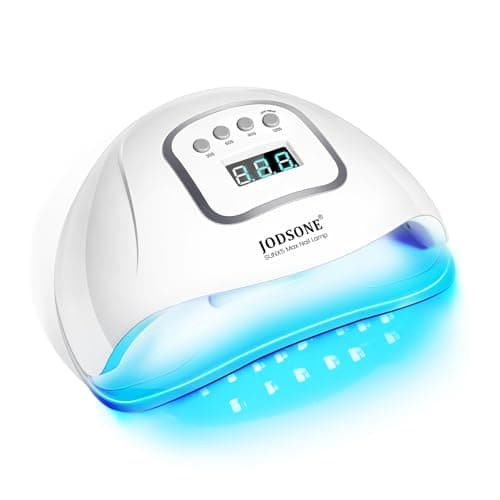
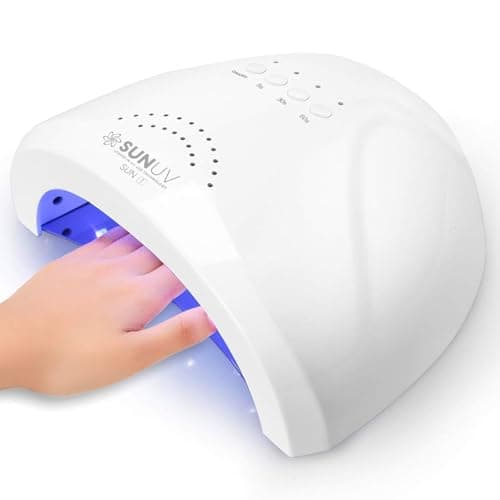
SUNUV UV/LED Lamp
$29.994.6 (58,687)
Gel's entry ticketThe known-brand lamp default — the purchase that unlocks gel's fix-before-cure advantage.
Shop on AmazonFrench tip acrylic vs gel on durability, cost, feel, removal and damage — and the one question that settles it faster than any feature list.
The French tip acrylic vs gel decision is usually presented as a durability comparison, which is the wrong frame. Both hold a French tip beautifully and both are done in every salon. The question that actually settles it is simpler:
Do you want length you do not currently have?
If yes, acrylic is probably your answer. If no — if you want your own nails to look immaculate for three weeks — gel almost certainly is. Everything below is the detail behind that.
The known-brand lamp default — the purchase that unlocks gel's fix-before-cure advantage.
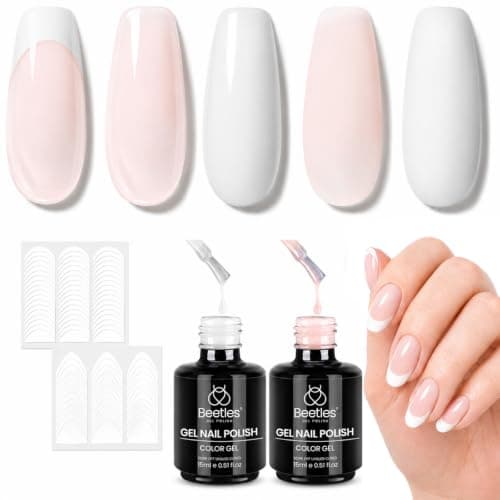
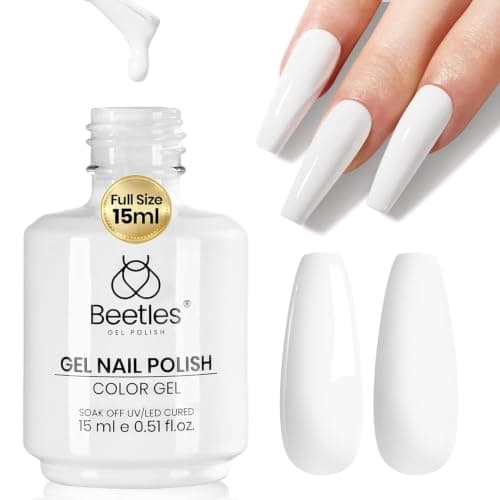
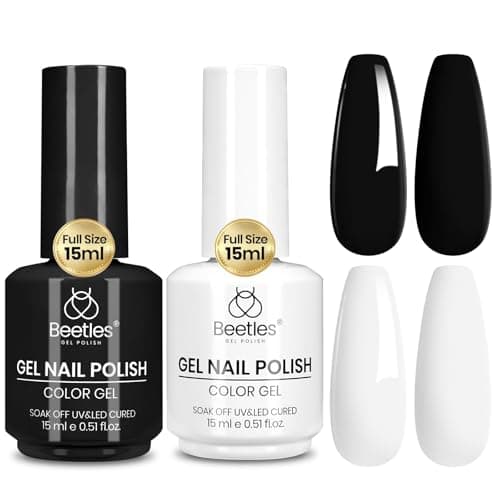
Shop on AmazonClassic, nude-on-nude and ombre French from one three-bottle set.
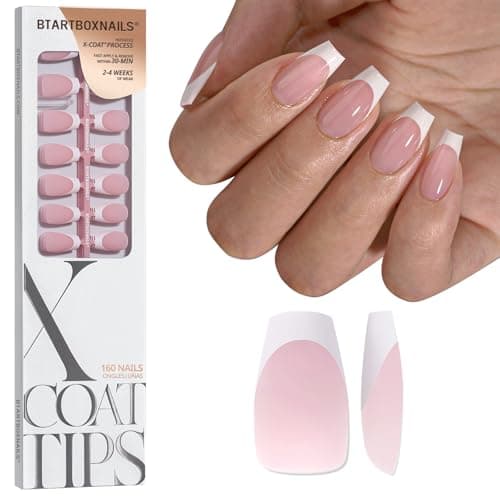
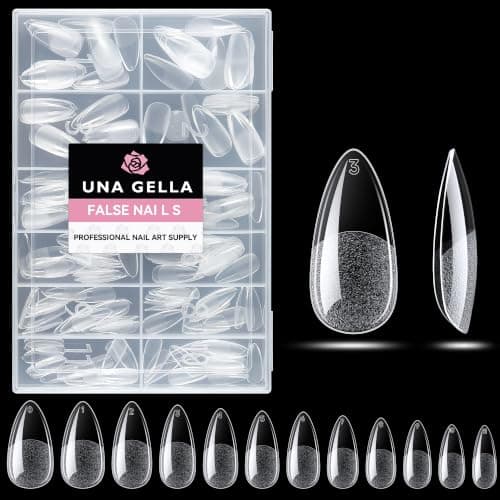
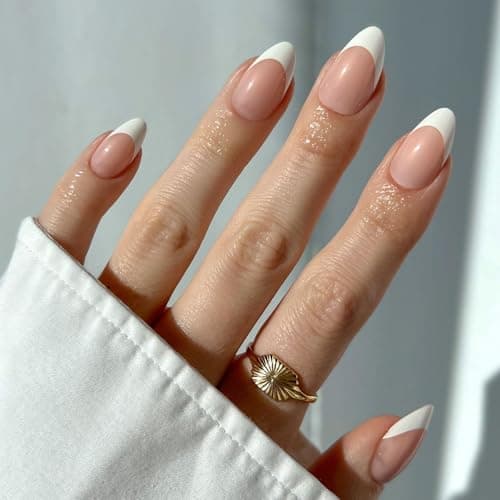
Shop on AmazonPre-built white French coffin extensions — salon shape without the salon build.
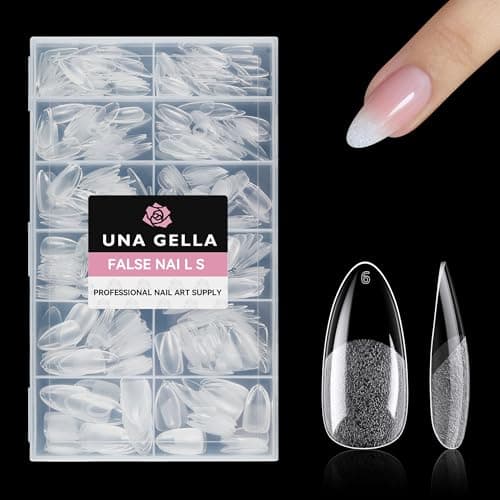
Shop on AmazonThe budget first lamp for finding out whether gel suits you.
Shop on AmazonProduct prices and availability are accurate as of October 17, 2026 and are subject to change. Any price and availability information displayed on Amazon at the time of purchase will apply. As an Amazon Associate we earn from qualifying purchases. Star ratings reflect Amazon customer reviews at the time of our last check.
Acrylic is a powder and a liquid monomer mixed at the brush and sculpted onto the nail, where it hardens in air. No lamp involved. It sets hard and rigid, which is what lets it hold length and dramatic shapes.
Gel is a pre-mixed product that stays liquid until it is cured under a UV or LED lamp. It stays slightly flexible after curing, which is why it feels more like a natural nail and less like something applied to one.
There is also hard gel and gel extensions (including Gel-X tips), which sit between the two — extension capability with a gel feel. If a salon offers "builder gel" or "Gel-X", that is what they mean.
| Compared on | Acrylic French | Gel French |
|---|---|---|
| Lasts | 3–4 weeks, fills every 2–3 | 2–3 weeks |
| Adds length | Yes, substantial | Only with extensions |
| Feel | Rigid, noticeably "on" | Flexible, closer to natural |
| Finish | Needs top coat for shine | Naturally glossy |
| Odour during application | Strong monomer smell | Almost none |
| Removal | 20–30 min acetone soak | 10–15 min acetone soak |
| Typical US full set | $55–$95 | $40–$65 natural, $55–$85 extensions |
| Repairs | Easy to patch and rebuild | Usually a full redo of that nail |
Length and shape. If you want long coffin, stiletto or ballerina nails, acrylic is the reliable route. Its rigidity is exactly what long shapes need — a long gel nail flexes, and flex at length means breakage.
Repairability. A cracked acrylic nail can be filled and rebuilt in minutes. This matters more than people expect if you work with your hands.
Cost over time, at length. Acrylic fills are cheaper than repeated full sets, so for someone permanently wearing long nails the running cost is often lower.
Holding a crisp smile line. The harder surface takes a sharply defined tip line very well, which is why the classic sharp-edged French is so often done in acrylic.
How it feels. This is the one people underestimate. Gel is thinner and flexes with your finger; a lot of people who dislike "fake nails" actually dislike acrylic's rigidity and are perfectly happy in gel.
Your natural nails underneath. Gel is typically applied more thinly and needs less aggressive filing to prep, so there is less plate thinned away. Neither product damages nails on its own — the damage comes from filing and removal — but gel gives less opportunity for it.
The application experience. No monomer fumes. If salon smell bothers you, this alone may decide it.
Shine. Gel is glossy by nature and stays glossy. Acrylic needs a top coat and dulls faster as it grows out.
Speed. A gel French on natural nails is usually a shorter appointment than an acrylic full set.
Neither system damages nails inherently. What damages nails is:
That third one is the most common and the least discussed. If your nails are thin and peeling after a year of either system, the cause is usually continuous wear plus rushed removal, not the chemistry.
The practical advice is the same for both: never pull a lifting nail off, always soak, and take a break of two to four weeks once or twice a year.
Gel: buff the top layer, soak in acetone 10–15 minutes, the product releases and pushes off with an orange stick.
Acrylic: the same process but 20–30 minutes, sometimes with a file-down first because there is more material to break through.
Both are doable at home, but acrylic removal is genuinely tedious and the temptation to pry is stronger, which is precisely when damage happens. If you are not patient, this is an argument for gel.
Short, bitten or weak nails wanting length: acrylic, or gel extensions. Gel on natural nails will not add length.
Healthy natural nails you want to look perfect: gel. You are enhancing what is there rather than building over it.
Nails that flake and split: gel, applied thinly, and be gentle at removal. Acrylic's prep filing is harsher on an already-fragile plate.
Very active hands — gym, gardening, keyboard-heavy work: acrylic for durability, kept short. A long set of anything will not survive.
Occasional wearer, a few times a year: gel, or skip both and use press-on French tips. There is no sense paying for a full set for one weekend.
The French upcharge is usually $5–$15 on top of either base service, because it is priced as hand-painting time rather than product. It is broadly the same surcharge whichever system you choose.
Where the two diverge is the base: an acrylic full set starts higher than a gel manicure. Full ranges are in how much are French tip nails.
Yes, but not on top of each other. Whichever set you are wearing has to come off completely first — acrylic over gel or gel over acrylic will lift, because the two do not bond reliably.
Budget for a removal fee at the switching appointment, and expect it to add 20–30 minutes.
Gel at home is entirely reasonable: a lamp, a base, a colour, a top coat and a liner brush is the whole kit, and how to do French tips at home covers the method.
Acrylic at home is a different proposition. Getting the liquid-to-powder ratio right takes real practice, and a badly mixed bead either sets before you have shaped it or stays soft and lifts. Most people should not start here.
If you want length without either, gel extension tips or press-ons are the accessible middle ground.
Want length and dramatic shapes, and do not mind the rigid feel: acrylic.
Want your own nails looking flawless with a natural feel and an easier removal: gel.
Want both length and gel's flexibility: gel extensions, and expect to pay toward the acrylic end.
Worth knowing before you commit to acrylic, because the maintenance rhythm is the part that surprises people.
As your nail grows, a gap opens between the cuticle and the start of the acrylic. A fill closes it: the technician files down the lifted edge, applies fresh product into the gap, rebalances the shape, and redraws the smile line. It takes about 45 minutes and costs $40–$65 in most US salons.
The French tip has to be redrawn every single time, because the old smile line has moved down the nail along with the growth. That is a real recurring cost of choosing a French over a solid colour on acrylic, and it is why some people switch to a permanent nude base with the French only for occasions.
Gel on natural nails has no equivalent — you soak the whole thing off and start clean every two to three weeks. Fewer decisions, slightly more product used over a year.
The first two or three days in a new acrylic set feel strange. The rigidity changes how you type, how you pick things up, and how much pressure your fingertips register. This passes and most wearers stop noticing entirely.
Gel has almost no break-in because it flexes. If you have tried acrylic once, hated the feel, and concluded that enhanced nails are not for you, it is worth trying gel before deciding — a lot of people conflate "acrylic" with "fake nails" when the objection was specifically to the rigidity.
The two systems are booked with different words, and using the wrong ones gets you the wrong appointment length.
The salon wording guide has the five things to specify whichever system you choose.
The two systems fail differently in the first seven days, and knowing what to look for means a small fix instead of a redo.
Gel: watch the cuticle edge. Lifting there — a thin line where the gel has separated from the plate — is the first sign of a prep problem, and a technician can reseal it in minutes if you go back within a few days. Do not pick at it.
Acrylic: watch the side walls and the corners of the tip. A hairline crack at a corner means the nail took a knock; it can be patched. A lift along the side wall means moisture got underneath, and that nail needs to be removed and rebuilt rather than filled over.
For both: the first two or three days of a new set are when a wobbly smile line is easiest to redraw, because the top coat is fresh and the technician remembers your hands. If a line bothers you, go back that week, not at the fill.
Over a quarter, the running cost and the appointment load look like this at a mid-range US salon, using the ranges on this page:
| Gel on natural nails | Acrylic with fills | |
|---|---|---|
| Appointments | 4 (every 3 weeks) | 1 full set + 3 fills |
| Time in the chair | ~4 hours | ~4.5 hours |
| Cost before tips | $160–$260 | $175–$290 |
| What you have at the end | Your own nails, intact | Length you did not start with |
The money is close; the choice is the last row.
The products here are cosmetics under US law, and the FDA's page on nail care products explains what that does and does not guarantee about the bottles.
French tip acrylic nails and French tip gel nails show the finished looks side by side. French tip nail shapes helps you pick the silhouette, and how to ask for French tips at the salon has the exact wording for booking either.
Start from the french tip nails homepage for everything else.
What French tip shoppers are buying this week, across every category.
Want to see this on real nails?
Every style page shows the finish close up, a creator video, and the products used to get it.
New Year French Tip Nails: The One Night Glitter Is Correct
New year french tip nails for the night and the weeks after — where metallic and glitter genuinely belong, and what you'll regret on January 2nd.
Christmas French Tip Nails Without the Costume
Christmas french tip nails that read festive rather than novelty — the colours and finishes that work in low winter light, and when to book.
Black Friday Nail Deals: What Is Actually Worth Buying
Black friday nail deals, filtered — which nail products genuinely discount, which never do, and how to build a French tip kit without buying filler.
French Tips for Kids: Safe, Simple and Actually Doable
French tips for kids on short little nails — which products are safe at which ages, the peel-off polishes, and a method for nails that won't sit still.
Thanksgiving French Tip Nails: Warm, Simple and Photograph-Ready
Thanksgiving french tip nails in the warm neutrals that suit the table and the photos — why to book earlier than you think, and what survives cooking.
How Long Do French Tip Nails Last? Every System, Honestly
How long do french tip nails last — polish, gel, acrylic, extensions and press-ons compared, and why a French grows out better than solid colour.