Glamnetic
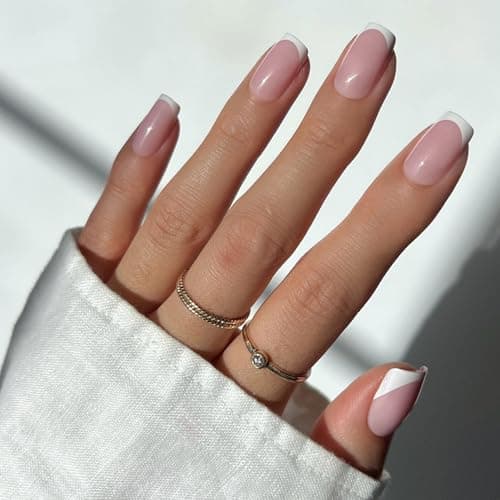
Glamnetic MaDamn Short French
$10.39
The premium setThe category's strongest seller — UV-cured finish that keeps its gloss.
Shop on AmazonWedding french tip nails for brides, bridesmaids and guests — which version photographs best, when to book, and the two styles that dominate bridal.
Wedding french tip nails are the default for a reason that has nothing to do with playing safe: no other manicure is photographed as much, from as close, in as many lighting conditions, holding as many objects — rings, bouquets, glasses, other hands. The French tip survives all of it because it reads as finished rather than as a colour, and it cannot clash with anything.
But "French tips for a wedding" splits into genuinely different briefs depending on whose hands they are on. Here is each one, plus the timing that most people get wrong.
The category's strongest seller — UV-cured finish that keeps its gloss.
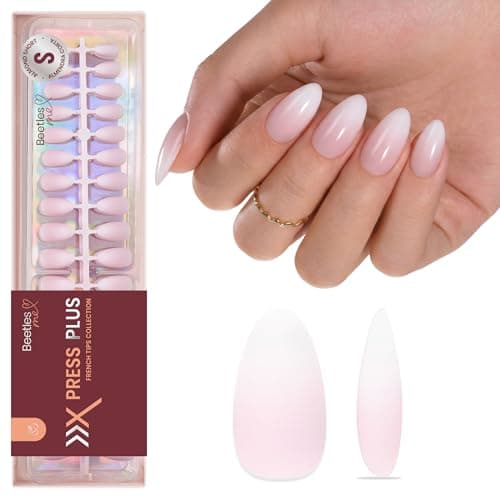
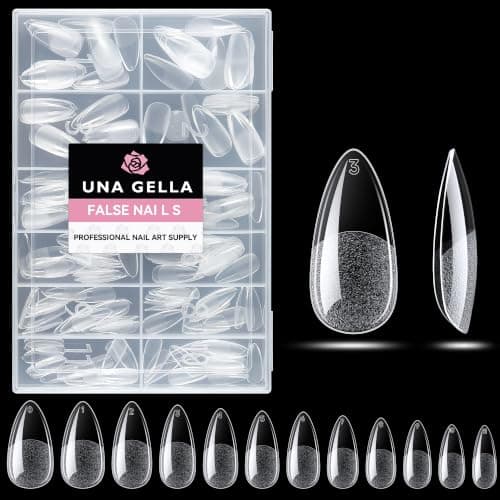
Shop on AmazonThe pink-to-white fade on a short almond, sixteen sizes — the bridal French with the fade identical on all ten nails, which the sponge method never quite manages.
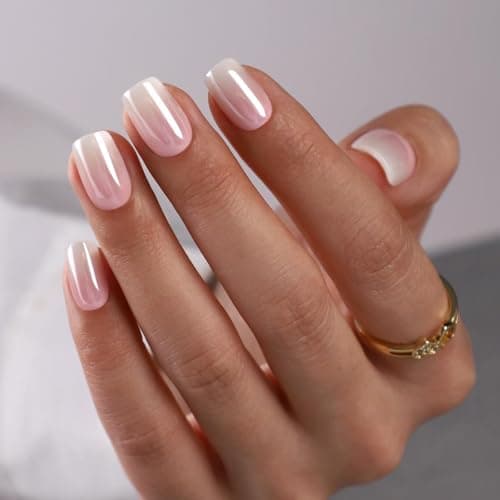
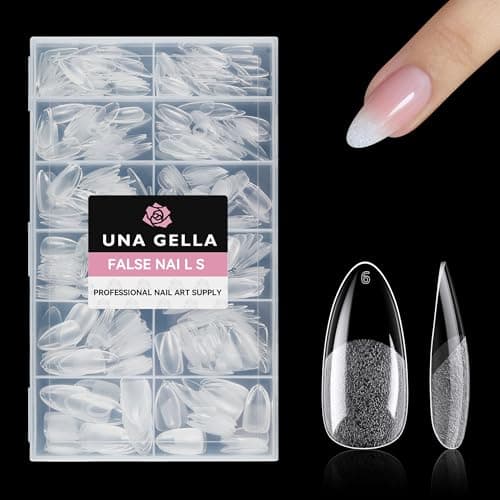
Shop on AmazonThirty-two pieces in sixteen sizes with glue in the box — the one-wedding ombré French for a guest or bridesmaid.
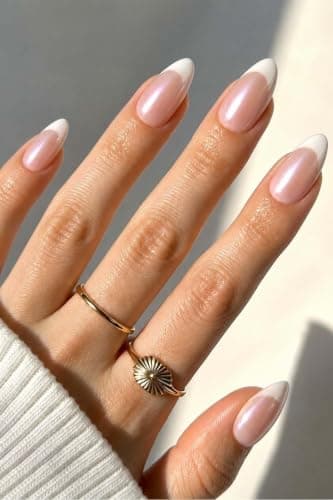
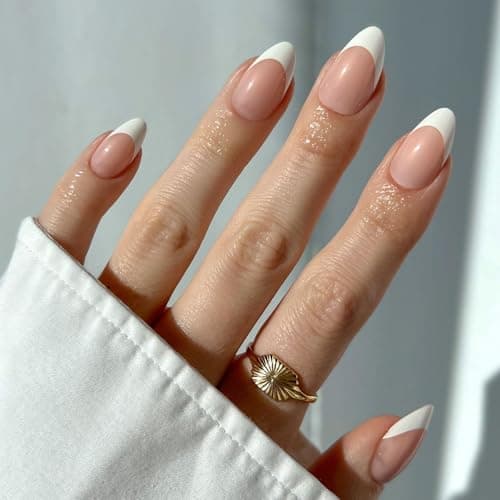
Shop on AmazonA pearl-glazed short almond French among the cheapest sets in the shop — the pearl catches candlelight at a reception without reading as glitter.
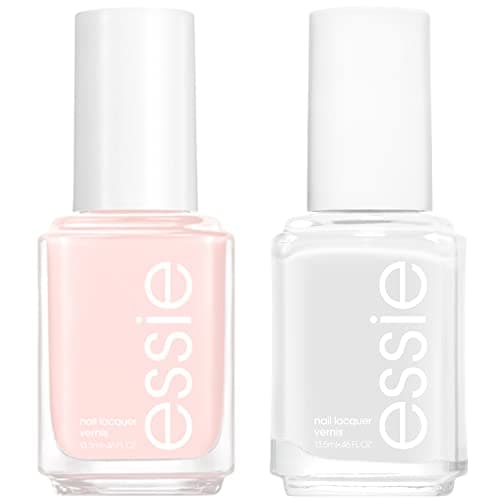
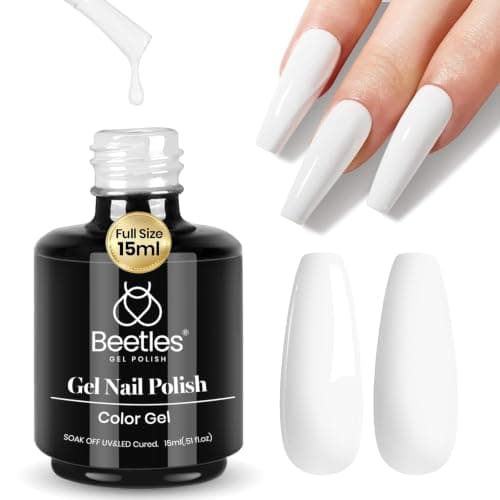
Shop on AmazonRegular polish, no lamp needed — built around Ballet Slippers, the reference sheer pink of French manicures.
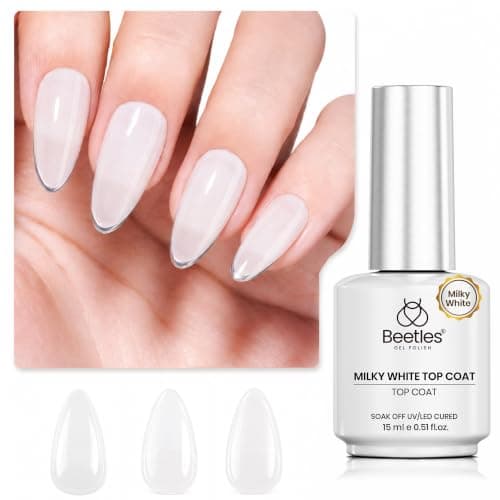
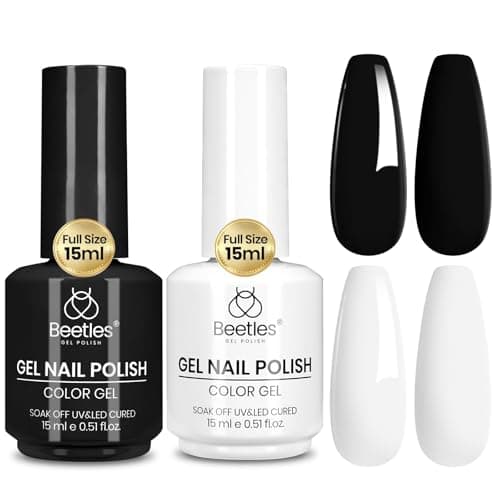
Shop on AmazonThe sheer nude-pink base half of a French — rank 141, and the natural-nail illusion depends on exactly this sheerness.
Shop on AmazonProduct prices and availability are accurate as of October 7, 2026 and are subject to change. Any price and availability information displayed on Amazon at the time of purchase will apply. As an Amazon Associate we earn from qualifying purchases. Star ratings reflect Amazon customer reviews at the time of our last check.
Two French styles dominate bridal work, and the choice between them is the main decision.
The ombré French — the "baby boomer". The tip fades into the base instead of meeting it at a line. This is the classic bridal manicure: soft in photographs, flattering on every nail length, and it does not compete with a ring in close-ups. If the dress and flowers are traditional, this is the safe-and-correct answer. The full technique is on the ombre French tips page.
The micro French. A thin, crisp line — the modern answer, and increasingly what younger brides choose. It photographs sharper than ombré and suits contemporary dresses and minimal styling. See micro French tips.
On colour: resist pure stark white. In bridal photography, a bright white tip against a white dress can flare under flash and read harsher than it looked in the salon. Off-white or milky white over a sheer pink base photographs warmer and is what experienced bridal technicians reach for unprompted.
On shape: almond and oval photograph best from the angles hand photos are actually taken — the taper elongates the finger holding the bouquet. Square reads blunter on camera than in person.
The party's manicure problem is uniformity across different hands, and French tips solve it better than any colour: a colour that suits four skin tones out of six looks mismatched in the lineup photos, while a French adapts because each person's base is matched to their own skin.
The practical brief that works: same style, individual bases. Everyone gets the same tip treatment — say, a thin off-white French — over a sheer base matched to their own skin tone. Reads as coordinated without the sameness looking forced.
For the bride to stand out within the scheme, the usual move is style contrast rather than colour: ombré for the bride, micro French for the party, or vice versa.
The guest brief is the easiest: look finished, do not compete. A simple French in off-white or nude clears it in any setting from courthouse to black tie.
If plain feels too plain, the accepted upgrades are the quiet ones — a nude-on-nude French, or a thin gold hairline over nude, which catches candlelight at an evening reception without ever reading as an attempt to be noticed.
What to skip as a guest: anything white-adjacent and elaborate that could read as bridal-competitive in photos, and heavy glitter, which photographs as noise in flash pictures.
The instinct is to book the manicure as close to the wedding as possible. The correct answer is two to three days before, and for specific reasons.
Gel needs no settling time, but problems do: a lifting corner or a smile line you hate shows up in the first 48 hours, and two days' buffer means it gets fixed calmly instead of at 8 a.m. on the day. Cuticles also look better two days after a trim than the morning after.
For gel, day minus two is ideal. For regular polish, day minus one — it dulls faster. Never the morning of; wedding-day schedules eat manicure appointments alive.
If the honeymoon follows immediately, mention it when booking: a French set that must survive two more weeks of pool and sun wants the free edge capped deliberately and gel rather than polish, no exceptions. The same holiday-proofing rules as the summer page apply.
Wedding photography is merciless to hands in a way daily life is not — macro lenses, ring close-ups, warm low light that shows dry skin as texture.
Start cuticle oil two weeks out, daily. It is the single highest-return preparation and it cannot be faked the night before. Hand cream after every wash in the final week. And if there is a professional manicure in the plan anyway, add the paraffin or hot-oil treatment — it is the one upsell that visibly changes how skin photographs.
Entirely reasonable for guests and doable for the party; braver for the bride, only because the redo window is short.
The at-home version that photographs best is the simplest: sheer pink base, thin off-white tip drawn with the two-stroke method, free edge capped. The full walkthrough is in how to do French tips at home, and the clean-up brush method is the difference between hoping the line is straight and making it straight.
Press-ons deserve an honest mention for guests: a good soft-gel French set — see the best press-on French tips — applied the night before is indistinguishable in photos and costs a tenth of the salon visit. For a bride they are riskier: a popped nail mid-reception has no fix.
Nothing about a wedding changes French tip pricing — a gel French runs $40–$65, ombré $10–$20 more — but two wedding-specific line items are worth budgeting: salons charge more for on-location day-of services, and party group bookings sometimes carry a coordination fee and sometimes earn a discount. Ask which way your salon rounds.
Compressed into a checklist, working back from the day:
A chipped tip an hour before photographs is fixable in minutes if the kit exists: a bottle of the tip colour, a top coat, and remover wipes travel well in the emergency bag next to the sewing kit. Redraw just the line on the affected nail — the French's repairability is one more reason it suits weddings. A popped press-on wants only its glue. And a genuinely broken natural nail gets filed short, redrawn thin, and forgotten; in photographs, one shorter nail with a clean line is invisible, while a bandaged one is not.
One habit separates calm wedding manicures from stressful ones: doing the exact set once, a month early. Not a similar set — the same salon, same technician if possible, same style and colour. The trial tells you three things a photo cannot: how the colour reads against your skin in person, how the shape feels for a full day of wear, and whether the salon's smile lines are actually as clean as their portfolio. A trial costs one extra manicure and removes every unknown from the day that matters. Brides book trials for hair and makeup routinely; nails deserve the same logic and almost never get it.
Finally, photograph your own trial set in daylight before deciding — phone photos reveal what mirrors hide, and they are the medium the wedding will live in.
That is the complete wedding picture: pick the style by role, book against the date, prep the skin early, and carry the repair kit.
A bridal manicure is briefed with pictures, and the pictures that work are specific rather than pretty. Bring one of the tip depth and line you want — a straight-on shot of a single nail, not a hand holding flowers. Bring one of the shape and length — a hand from above. And bring one of the dress fabric or the flowers, because the technician is matching a white to a white: a bright white tip next to an ivory dress reads blue in photographs, and an off-white next to a stark white dress reads yellow. The third photo is the one nobody brings and the one that most often decides whether the set looks right in the pictures.
For bridesmaids booking separately, one paragraph they can all send to their own salon keeps the hands matching in the lineup photos. The version that works:
"Gel manicure on natural nails, short almond or oval, thin French tips in off-white, over a sheer base matched to my skin tone. Please cap the free edge. This is for a wedding on [date]; the bride's set is [ombré / micro French]."
The last sentence lets each technician keep the party's style adjacent to the bride's without copying it — the coordinated-not-identical result the photographs reward.
Two hands get photographed differently at a wedding. The ring hand is shot close, from above, often with a macro lens: it is where cuticle care and the smile line on the ring finger matter most, and where a single accent — a hairline of gold under the tip, a pearl chrome glaze — is worth putting if you want one anywhere. The bouquet hand is shot from the side, holding stems, usually at a slight distance: shape and length read, detail does not. If time or budget forces a choice, the ring hand gets the trial run and the extra attention, and the bouquet hand gets the plain, well-capped version of the same French. The shop's nude bases page sorts base shades by undertone, which for a wedding is the decision that makes the white look right in every light.
One outside reference worth keeping: the American Academy of Dermatology's healthy nail tips, which say in plainer words what this site keeps repeating about removal and cuticle oil.
Ombre French tips and micro French tips — the two bridal styles in full. How to ask for French tips at the salon for getting the brief across in one sentence. White French tips for why the shade of white matters. Everything else lives on the french tip nails homepage.
What French tip shoppers are buying this week, across every category.
Want to see this on real nails?
Every style page shows the finish close up, a creator video, and the products used to get it.
Christmas French Tip Nails Without the Costume
Christmas french tip nails that read festive rather than novelty — the colours and finishes that work in low winter light, and when to book.
Black Friday Nail Deals: What Is Actually Worth Buying
Black friday nail deals, filtered — which nail products genuinely discount, which never do, and how to build a French tip kit without buying filler.
French Tips for Kids: Safe, Simple and Actually Doable
French tips for kids on short little nails — which products are safe at which ages, the peel-off polishes, and a method for nails that won't sit still.
Thanksgiving French Tip Nails: Warm, Simple and Photograph-Ready
Thanksgiving french tip nails in the warm neutrals that suit the table and the photos — why to book earlier than you think, and what survives cooking.
How Long Do French Tip Nails Last? Every System, Honestly
How long do french tip nails last — polish, gel, acrylic, extensions and press-ons compared, and why a French grows out better than solid colour.
Halloween French Tip Nails That Still Look Good on November 1st
Halloween french tip nails done properly — the versions that read stylish rather than costume, and how to get the effect from a manicure you keep.