modelones
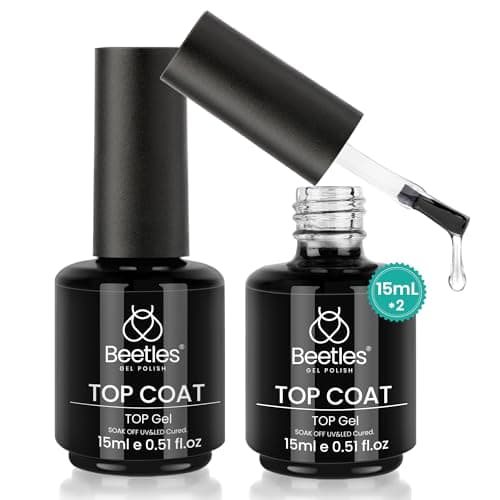
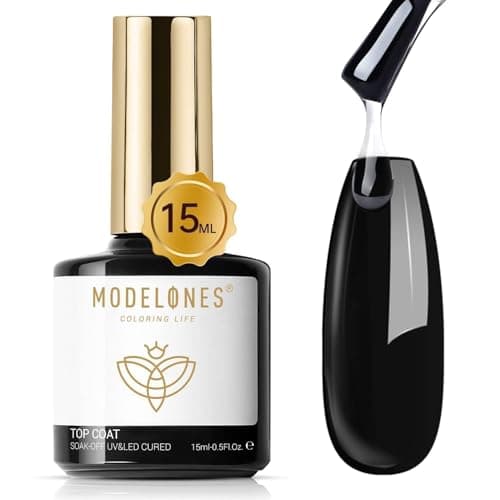
modelones No-Wipe Glossy Top Coat
$6.994.6 (70,579)
The layer that fails firstThe high-gloss seal — and the mandatory layer under any chrome powder.
Shop on AmazonHow long do french tip nails last — polish, gel, acrylic, extensions and press-ons compared, and why a French grows out better than solid colour.
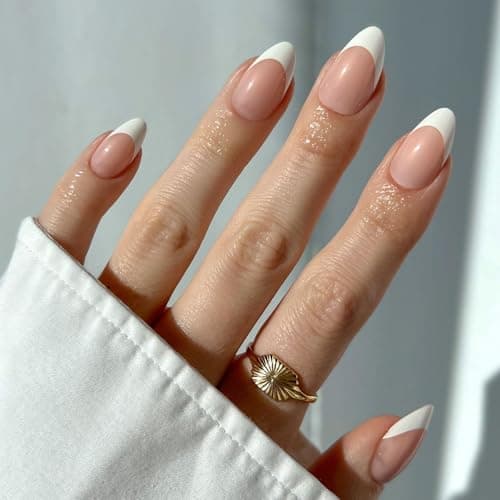
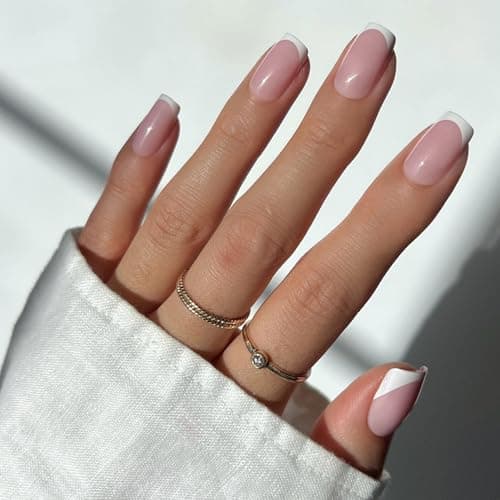
How long do french tip nails last? The honest answer is that the French part barely matters — wear time is set almost entirely by the system underneath. Regular polish lasts 3–7 days, gel 2–3 weeks, acrylic 3–4 weeks with fills, and press-ons 3–14 days depending on adhesive. The tip design itself adds one genuine advantage: a French looks good for longer than a solid colour at every one of those durations, because of how it grows out.
Here is each system with real numbers, what shortens them, and the tricks that stretch them.
The high-gloss seal — and the mandatory layer under any chrome powder.
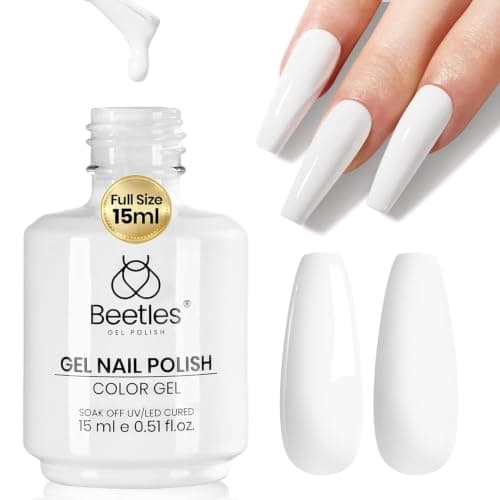
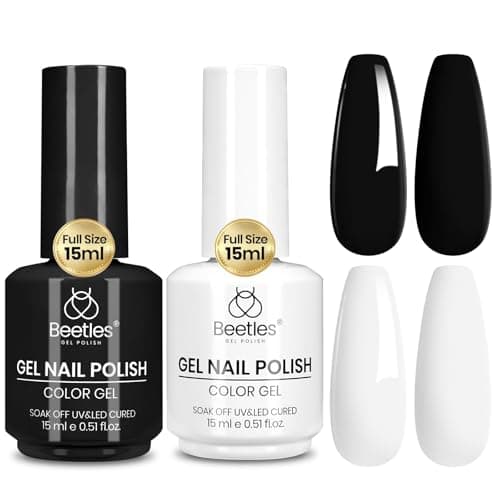
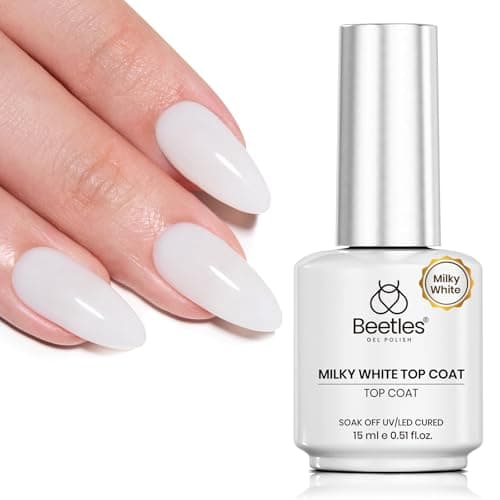
Shop on AmazonTwo 15ml no-wipes — the layer every gel manicure ends with, bought at the rate you actually use it.
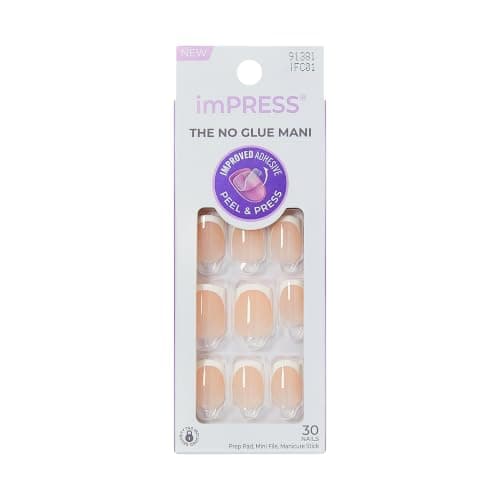
Shop on AmazonAdhesive tabs: no acetone, no crooked-glue risk — the weekend set.
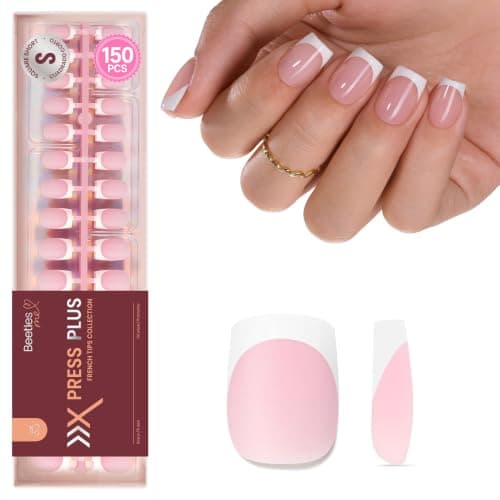
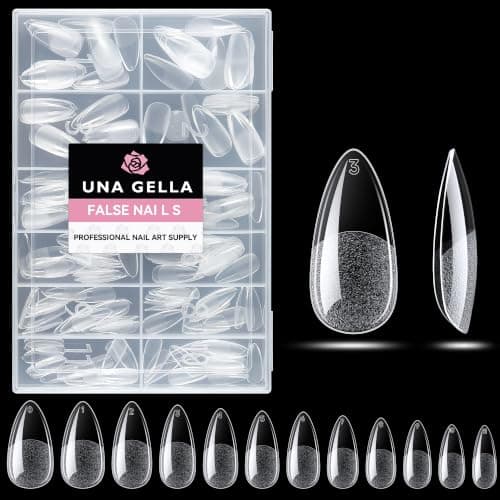
Shop on AmazonFive full applications under nine dollars — press-ons as a habit, not an occasion.
Shop on AmazonProduct prices and availability are accurate as of October 13, 2026 and are subject to change. Any price and availability information displayed on Amazon at the time of purchase will apply. As an Amazon Associate we earn from qualifying purchases. Star ratings reflect Amazon customer reviews at the time of our last check.
| System | Intact | Still looks deliberate | Weak point |
|---|---|---|---|
| Regular polish | 3–7 days | ~1 week | Tip chips first |
| Gel on natural nails | 2–3 weeks | 3+ weeks | Lifting at cuticle |
| Gel extensions | 3–4 weeks | 3–4 weeks | Stress point mid-nail |
| Acrylic (with fills) | 2–3 weeks per fill | indefinitely | Corner lifting |
| Press-ons, glued | 7–14 days | until one pops | Sizing and prep |
| Press-ons, adhesive tabs | 3–5 days | 3–5 days | Water exposure |
| French pedicure, gel | 4–6 weeks | 6 weeks | Big-toe edge |
Two of those rows deserve expansion. Acrylic does not exactly "last" three weeks — the set persists for months, but the grow-out gap forces a fill every two to three weeks, and the French line is repainted at every fill. And the gel pedicure is the quiet champion: toenails grow at a third the speed of fingernails, so the same product delivers double the wear — the full logic is on the French tip toe nails page.
This is the structural advantage and it is worth understanding, because it changes which manicure to pick when appointments are far apart.
A solid colour manicure fails visually at the cuticle: within a week, a bare stripe of regrowth appears at the base of the nail and announces the manicure's age. Nothing about the polish has failed — the nail simply moved.
A French tip has no colour at the cuticle to betray it. The sheer base blends into the regrowth, and the tip line just rides slowly down the nail — where it still reads as intentional for another week or more. A three-week-old French routinely passes as recent; a three-week-old red never does.
The corollary: the thinner the tip, the better it ages. A micro French at week three barely registers as grown out, while the thick classic band telegraphs its position. And an ombré French, with no line at all, ages best of any version — which is exactly why salons push it for brides and long gaps between appointments.
Not the polish brand, in almost every case. The real killers, roughly in order:
Skipped prep. Oil or shine left on the plate before base coat is the number one cause of early lifting. The alcohol wipe takes ten seconds and buys a week.
An uncapped free edge. The tip of the nail takes every impact of the day. Running colour and top coat over the edge itself — capping — is the difference between chipping at day four and day fourteen.
Water cycling. Long baths, dishes without gloves, daily swimming. Repeated swell-and-shrink flexes the nail against the product until something lets go. This, not chlorine chemistry, is why holiday manicures die early.
Hands as tools. Opening cans, picking at labels, prying staples. Every manicure system loses to this.
Thick coats. Gel applied thickly cures hard on top and soft underneath, then peels in sheets. Thin coats cure through and grip.
Regular polish: re-apply top coat every two to three days — it is the top coat that fails, not the colour. Chips at the tip can be patched by re-drawing just the line, which is a French-specific luxury; a solid colour chip needs the whole nail.
Gel: cuticle oil daily. It sounds cosmetic; it is structural — flexible skin at the cuticle is what stops the lifting that starts there. A fresh top coat at the halfway mark restores gloss and reseals the edge.
Acrylic: book fills on schedule. Stretching a fill from three weeks to five does not save money; it converts a $50 fill into an $80 soak-off-and-rebuild.
Press-ons: the entire game is day-zero prep — dehydrate the plate, size correctly, hold each nail for a real thirty seconds. Details in the best press-on French tips.
Wear time also includes the exit, and rushing it is where the actual damage happens — none of these systems harms nails when removed properly, and all of them harm nails when peeled.
Gel and acrylic both come off with an acetone soak — ten to fifteen minutes for gel, twenty to thirty for acrylic. Glitter and reflective tips take roughly double; wrap them in foil and wait rather than scraping. Press-ons release with warm soapy water. The full method is in how to do French tips at home.
If a set is lifting early, resist the peel. Trim the lifted corner or soak the whole nail — a peeled gel layer takes nail plate with it, and the thin, bendy nails people blame on gel are almost always peeling damage.
The practical use of all these numbers:
Slightly, and only visually. All standard gel pigments wear at the same rate; what differs is how loudly the wear announces itself. Chips expose bare nail, and the more the tip colour contrasts with your plate, the earlier a chip becomes visible — so black and burgundy tips look shorter-lived than nude ones on identical wear. Reflective and glitter tips add a second effect: their texture snags fabric, so unsealed edges lift days earlier. Two top coats over any particle polish equalises it.
The practical ranking for longest-looking wear: nude and ombré first, off-white and milky second, brights third, dark and glitter tips last — with the gap between first and last being about a week of looking acceptable, not a week of physical survival.
Whatever the system, the halfway point earns two minutes of maintenance that meaningfully extends the back half: a fresh layer of top coat over the tips, capped over the free edge, and oil on the cuticles. On gel this restores the gloss that dulls first; on polish it re-armours the layer that actually fails. People who do the one-week check report sets lasting visibly longer, and the mechanism is no mystery — the top coat was always the sacrificial layer.
One last variable people ask about: nail growth speed. Faster growers — younger people, summer months, biotin-adequate diets — see the grow-out gap sooner, which shortens the looks-good window even though the product performs identically. If your sets seem to age faster than these numbers, your nails may simply grow faster than average; the thin-tip and ombré strategies above are the counter.
And if maximum wear is genuinely the goal, stack the choices: gel, nude or ombré tip, capped edges, the one-week top-coat refresh, and gloves at the sink. Together they reliably deliver the full three weeks looking deliberate.
Those are the honest numbers — pick the system that matches your calendar rather than the longest number on the table.
The numbers on this page are typical; yours are specific, and a single set measured honestly tells you more than any table. Write down the date of application, then note three dates as they happen: the first visible chip or lift, the day it stops looking deliberate at arm's length, and the day you remove it. Do this for one gel set and one polish set and you have your own baseline — the number to compare the next set against after changing one thing (capping the edge, adding the one-week top coat, switching whites).
Most people who do this find their sets last longer than they thought and stop looking good sooner than they thought, which is the useful discovery: the gap between "intact" and "looks intentional" is where the maintenance habits pay off.
| Your week | Best system | Why |
|---|---|---|
| Hands in water daily — dishes, childcare, swimming | Gel, capped, gloves at the sink | Water cycling kills polish in days |
| Typing, office, low impact | Gel on natural nails | Three weeks with nothing to think about |
| Manual work, gym, gardening | Short acrylic, or short gel | Rigidity survives knocks; length does not |
| One event, then nothing | Regular polish or tab press-ons | Nothing to remove after |
| Travel of two weeks or more | Gel applied three days before | Problems surface at home, not abroad |
| Sandal season | Gel pedicure | Four to six weeks per visit |
At the two-week mark on a gel set, the choice is a fresh top coat or a soak-off. Refresh if the tips are intact, the cuticle edge has not lifted, and the grow-out gap is under about two millimetres — a top coat over the whole nail, capped, buys another week. Remove if any nail has lifted at the cuticle (water gets under it and the nail underneath goes soft), if a tip has chipped through to bare nail, or if the gap has grown enough that the smile line now sits mid-nail. A lifted set worn a week too long is the source of most "gel ruined my nails" stories; the gel did not, the water under it did.
If you want the regulator's version of the ingredient questions — HEMA, acrylates, what a label must say — the FDA's nail care products page is where to read it.
How much are French tip nails pairs these durations with prices — cost per week of wear is the number that actually matters. French tips on short nails if breakage is your limiting factor, and the french tip nails homepage for the full library.
What French tip shoppers are buying this week, across every category.
Want to see this on real nails?
Every style page shows the finish close up, a creator video, and the products used to get it.
New Year French Tip Nails: The One Night Glitter Is Correct
New year french tip nails for the night and the weeks after — where metallic and glitter genuinely belong, and what you'll regret on January 2nd.
Christmas French Tip Nails Without the Costume
Christmas french tip nails that read festive rather than novelty — the colours and finishes that work in low winter light, and when to book.
Black Friday Nail Deals: What Is Actually Worth Buying
Black friday nail deals, filtered — which nail products genuinely discount, which never do, and how to build a French tip kit without buying filler.
French Tips for Kids: Safe, Simple and Actually Doable
French tips for kids on short little nails — which products are safe at which ages, the peel-off polishes, and a method for nails that won't sit still.
Thanksgiving French Tip Nails: Warm, Simple and Photograph-Ready
Thanksgiving french tip nails in the warm neutrals that suit the table and the photos — why to book earlier than you think, and what survives cooking.
Wedding French Tip Nails: Bride, Guest and the Photos
Wedding french tip nails for brides, bridesmaids and guests — which version photographs best, when to book, and the two styles that dominate bridal.